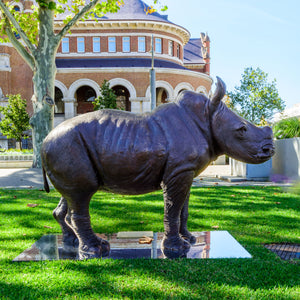
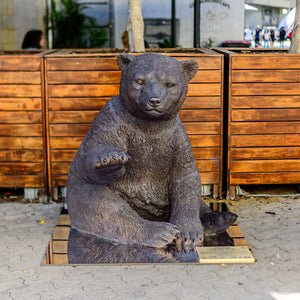
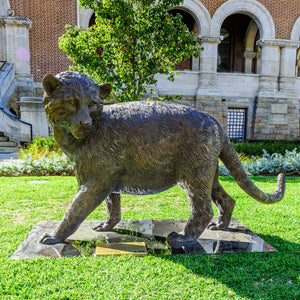
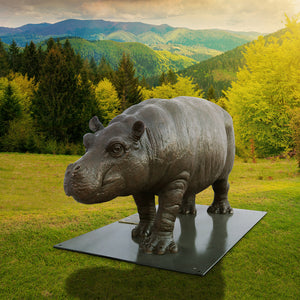
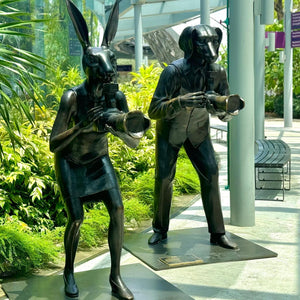
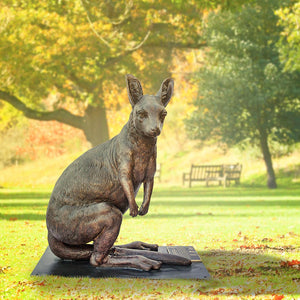
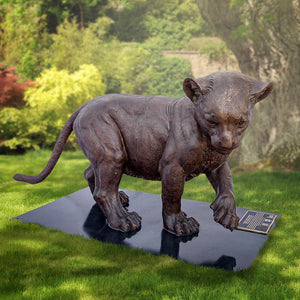
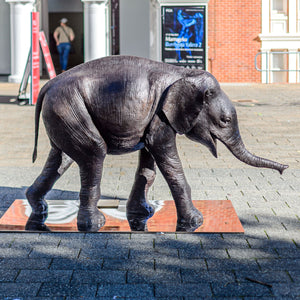

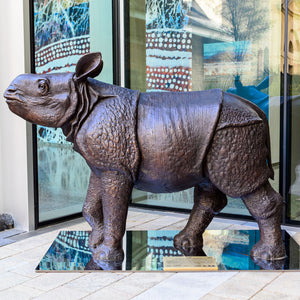
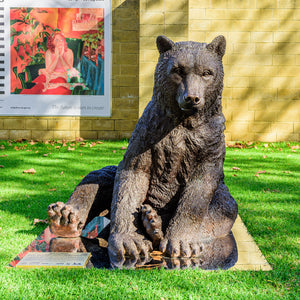
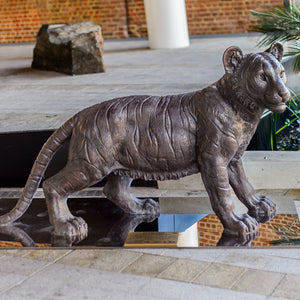
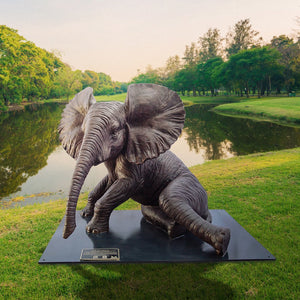
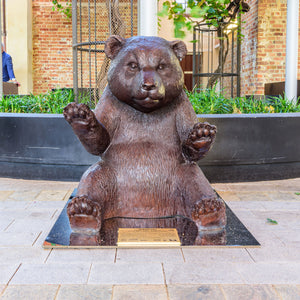
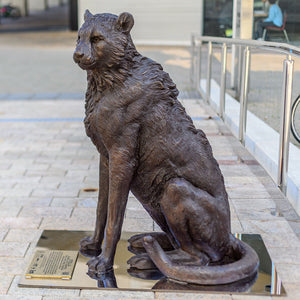
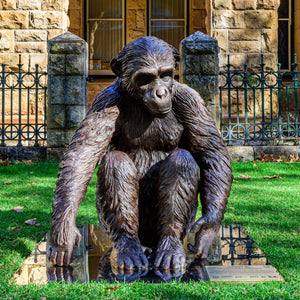
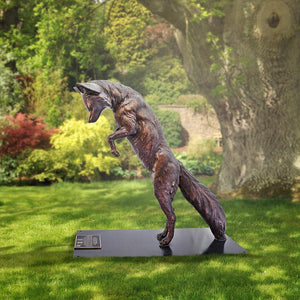


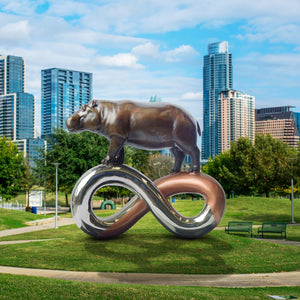


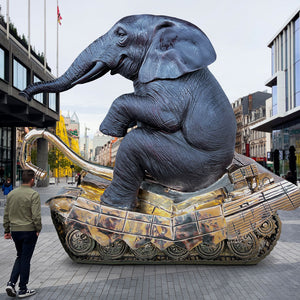
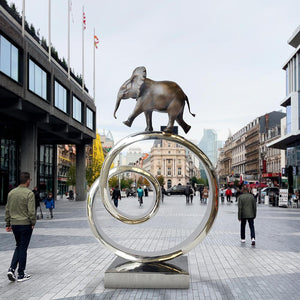
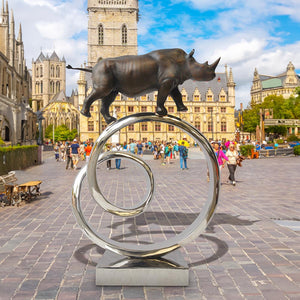



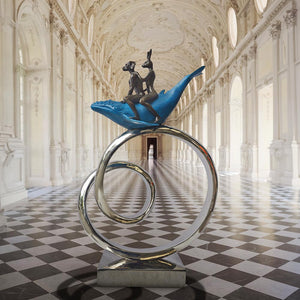


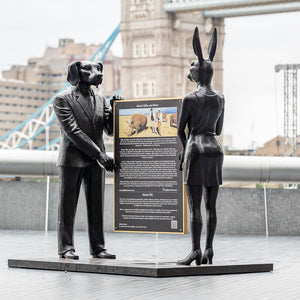
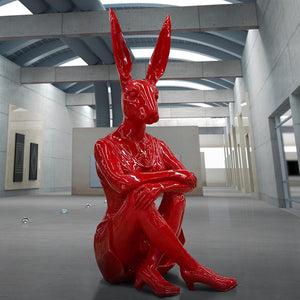



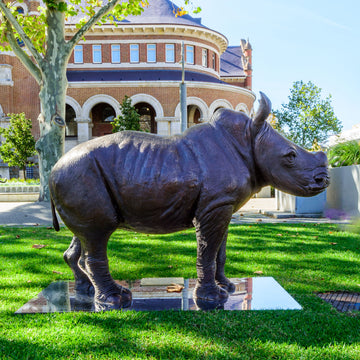
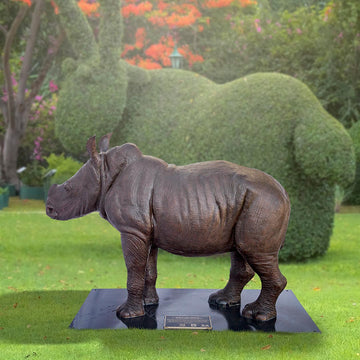
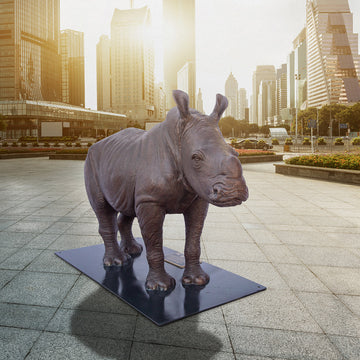
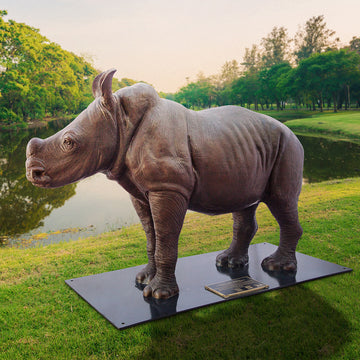
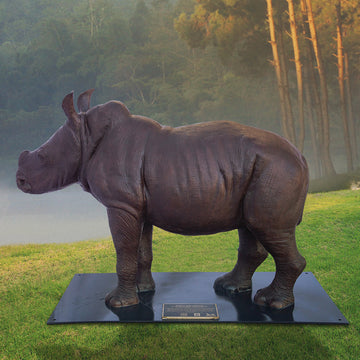
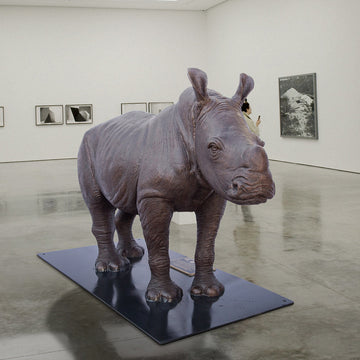
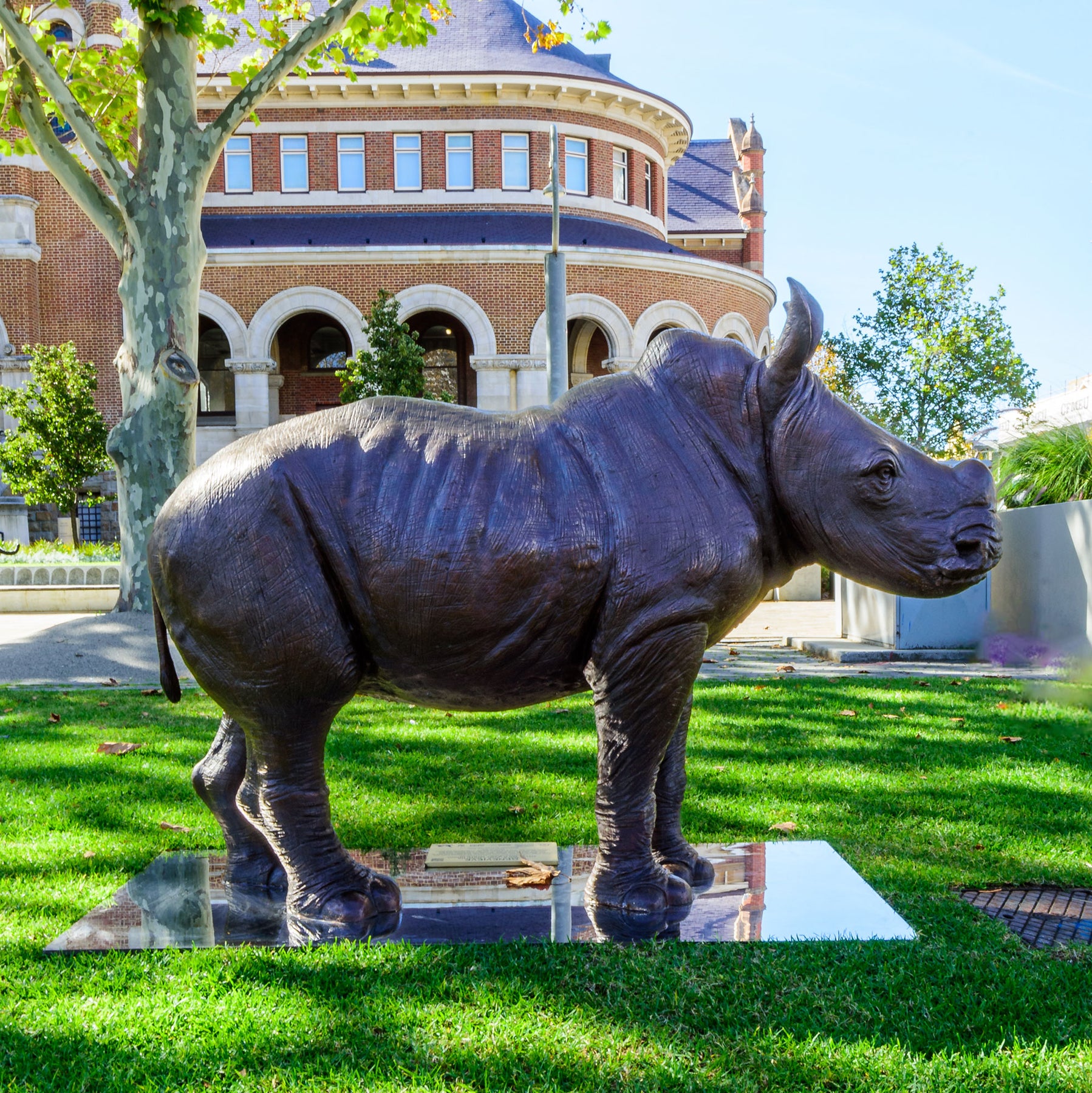
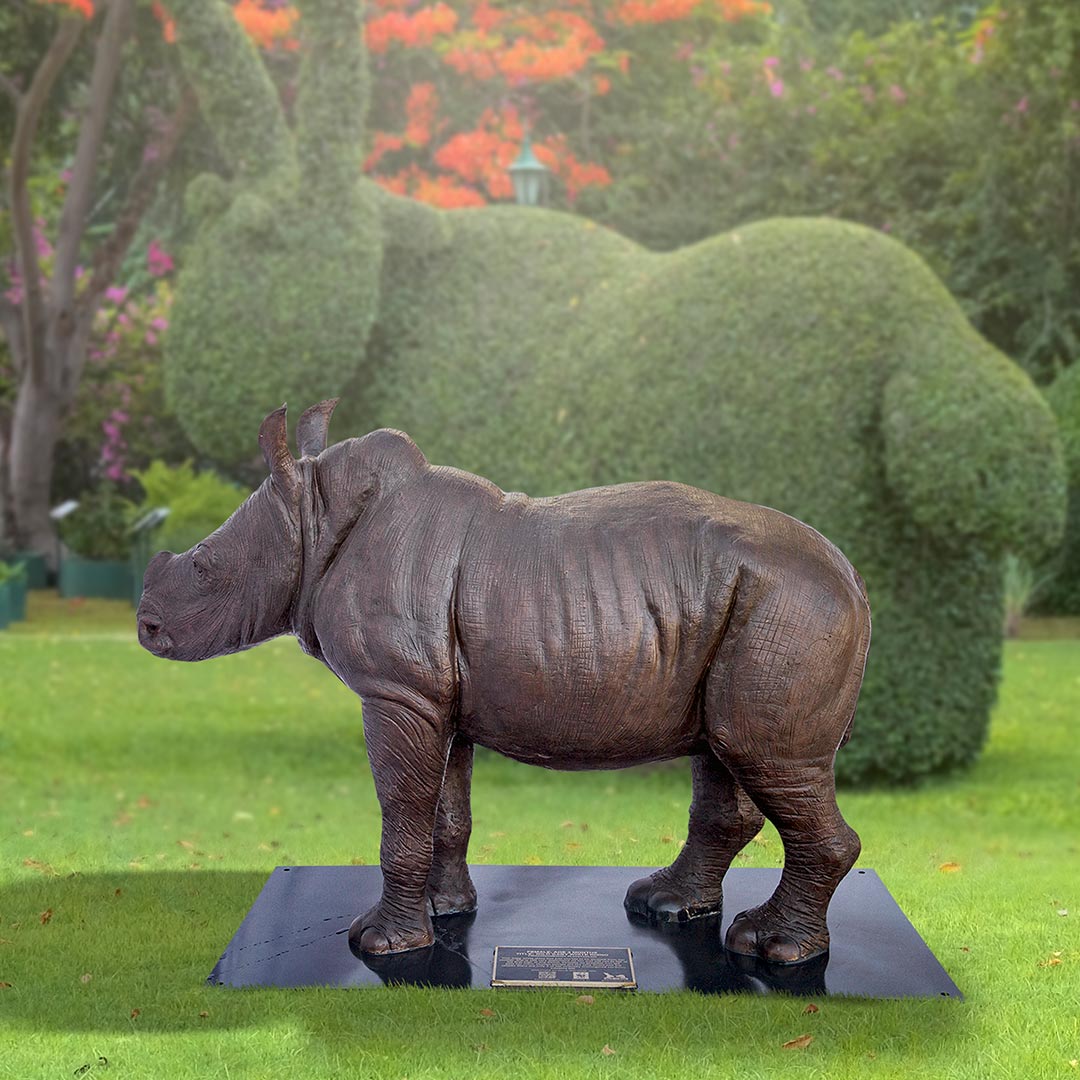
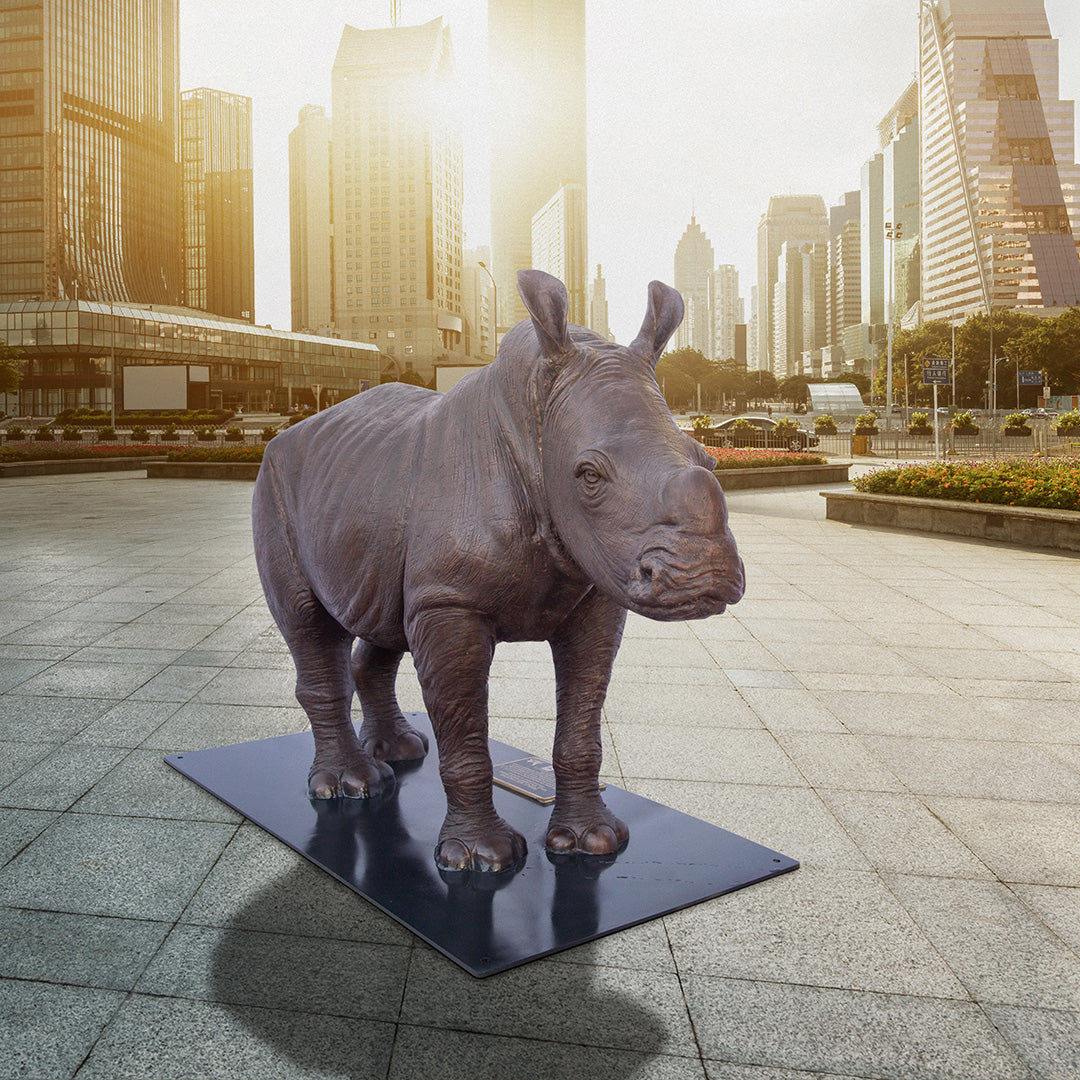
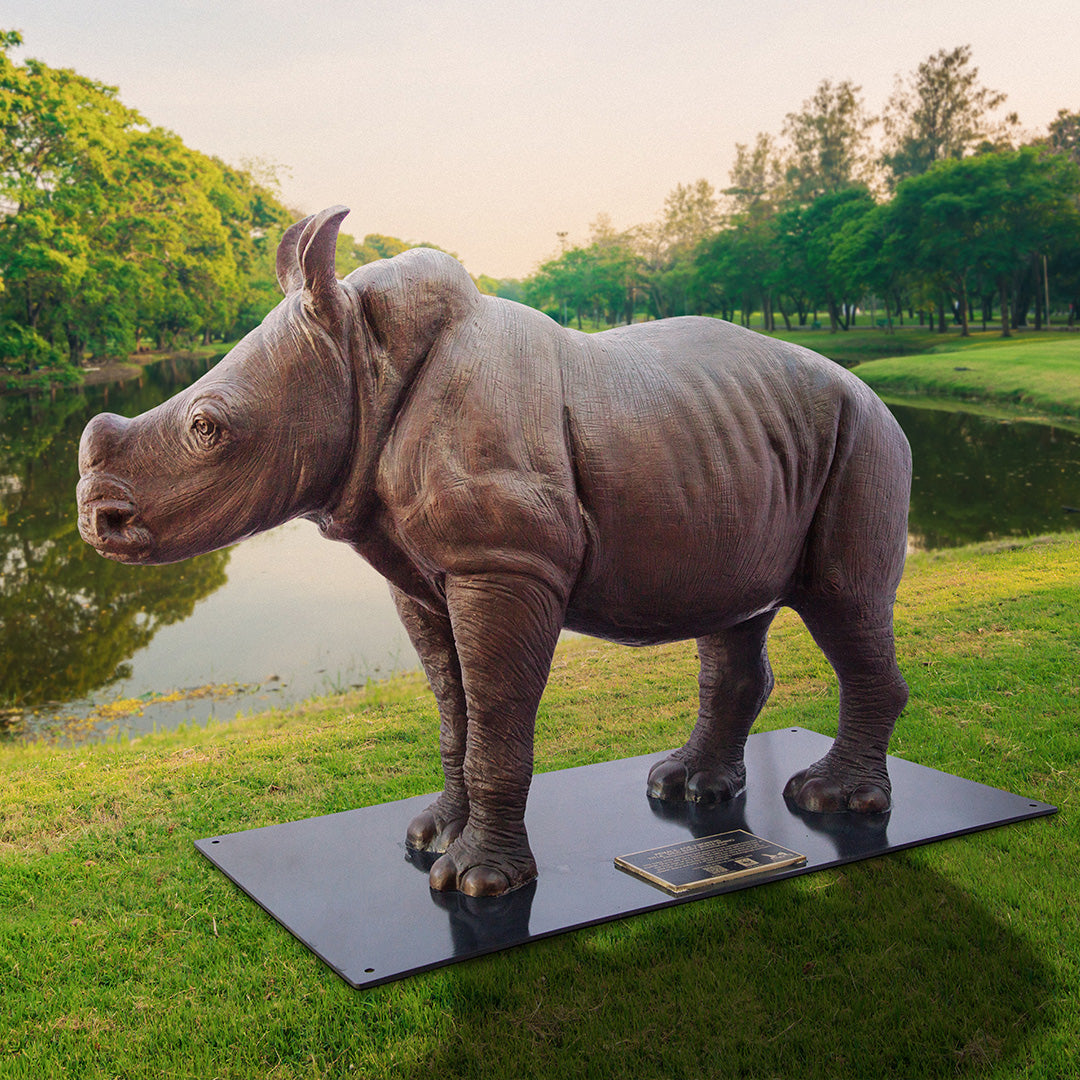
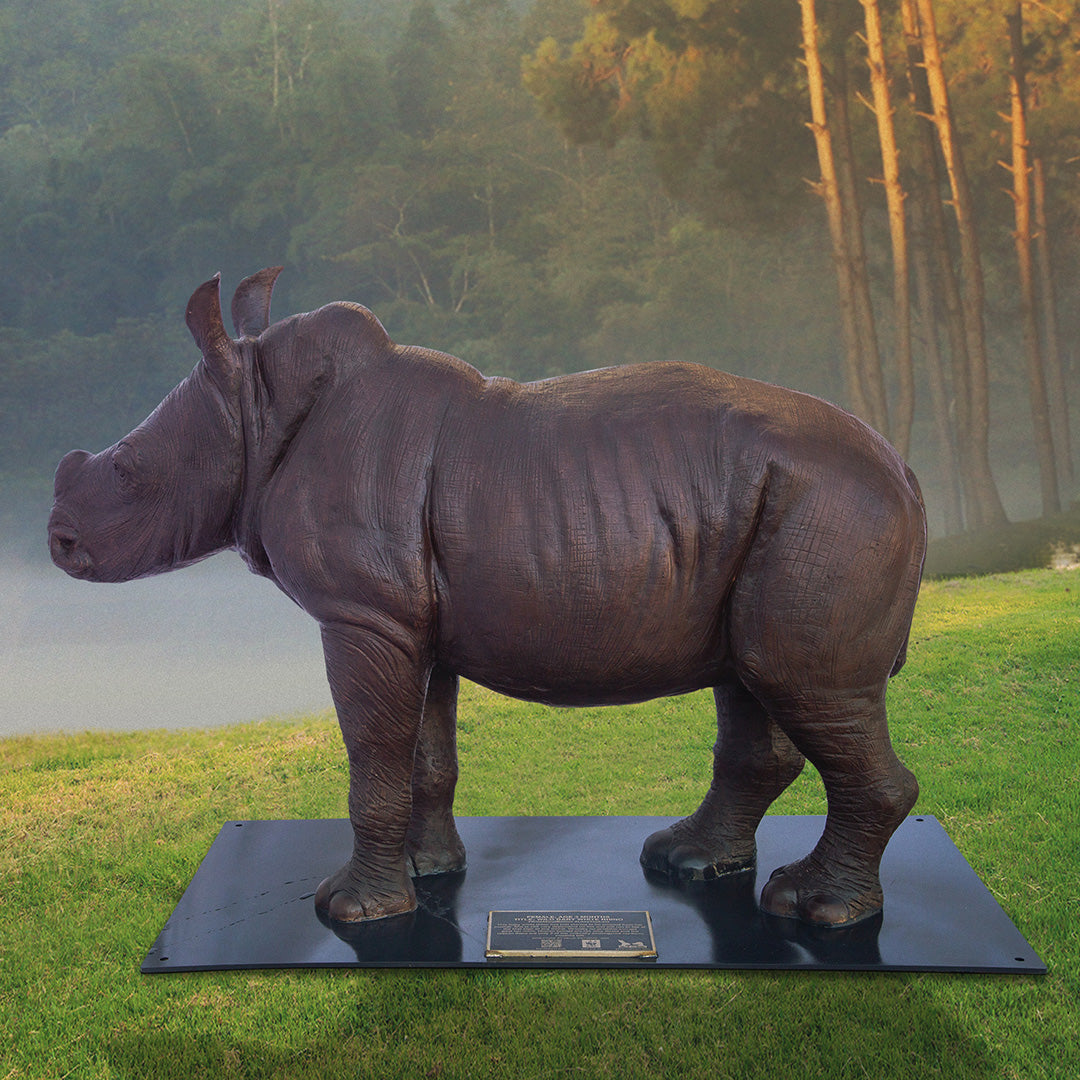
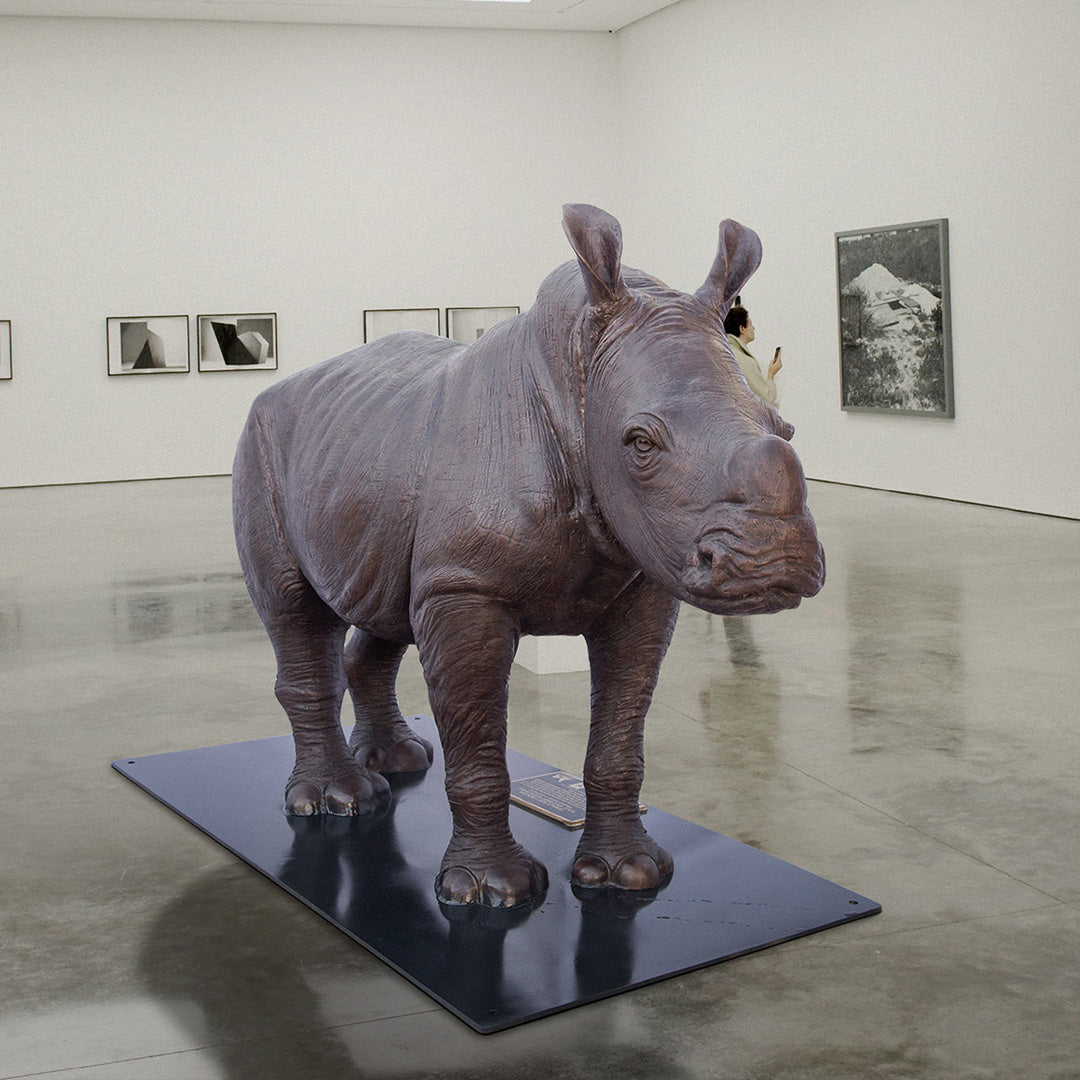


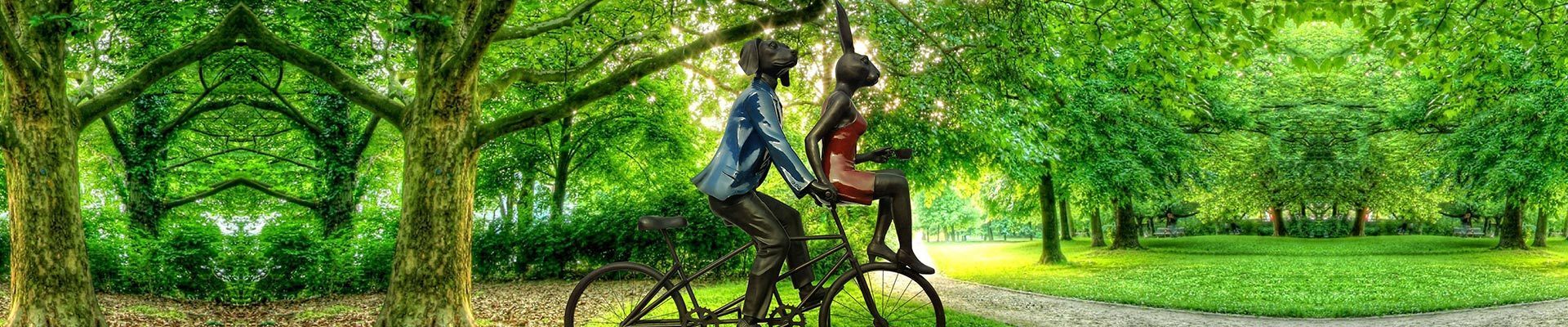
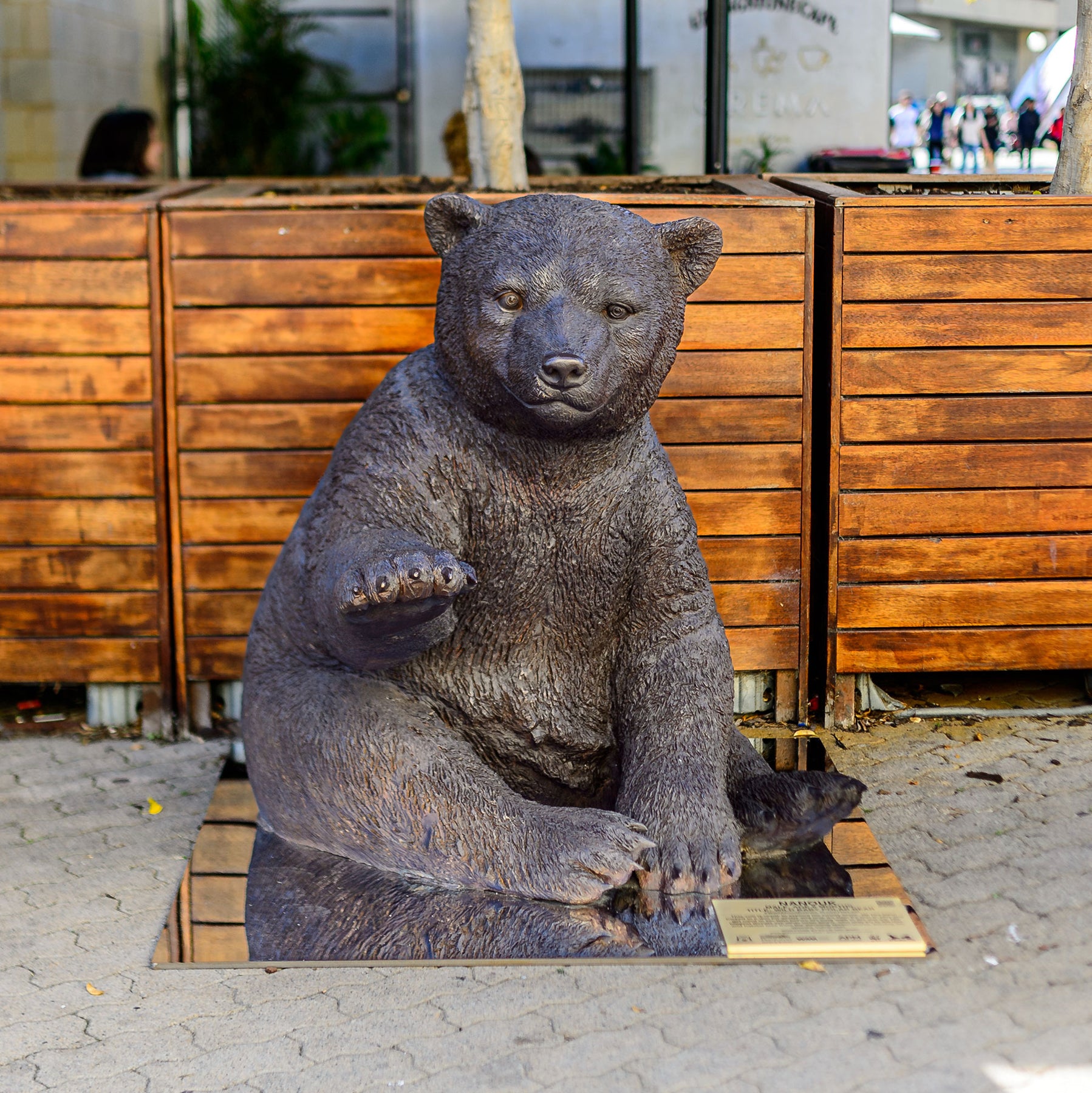
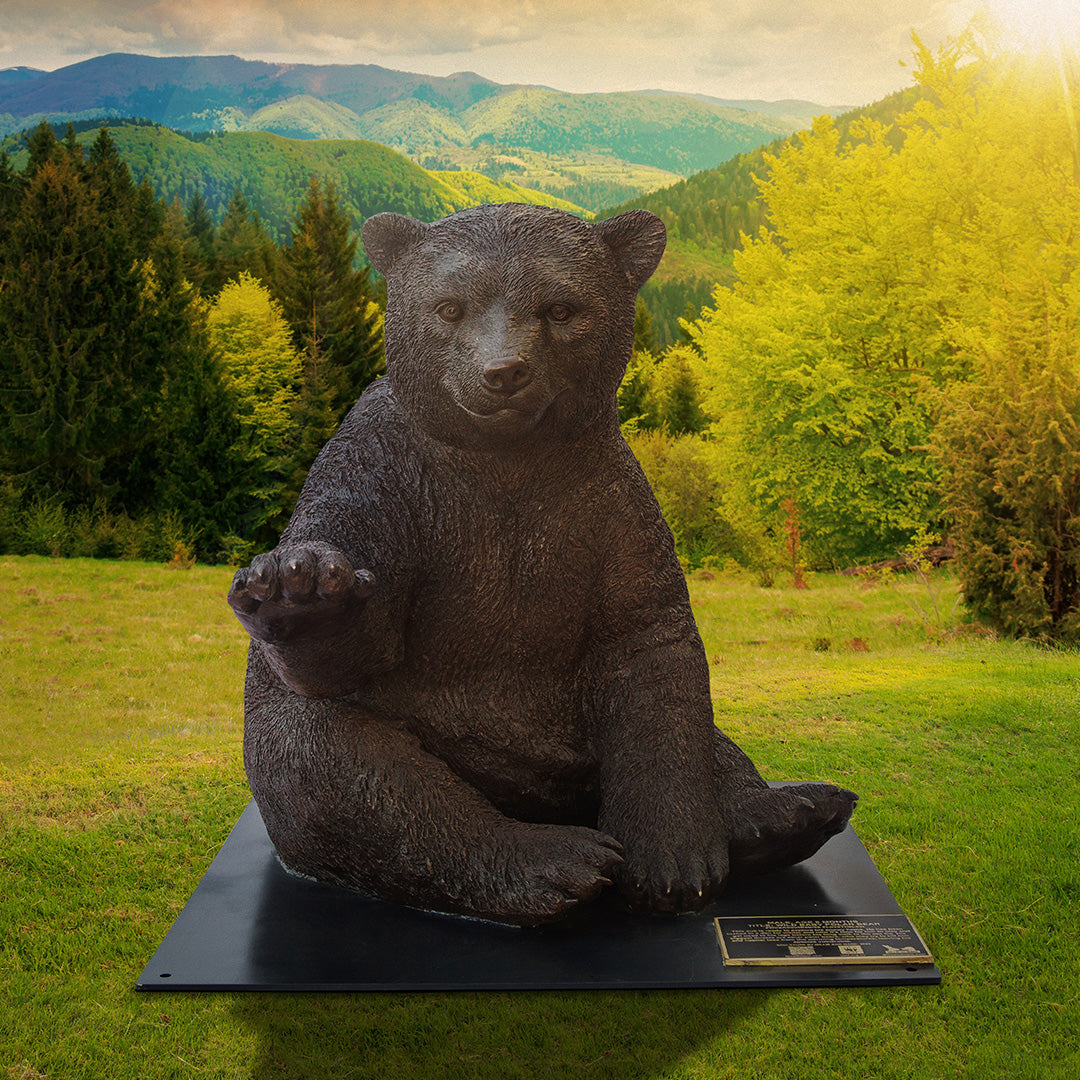
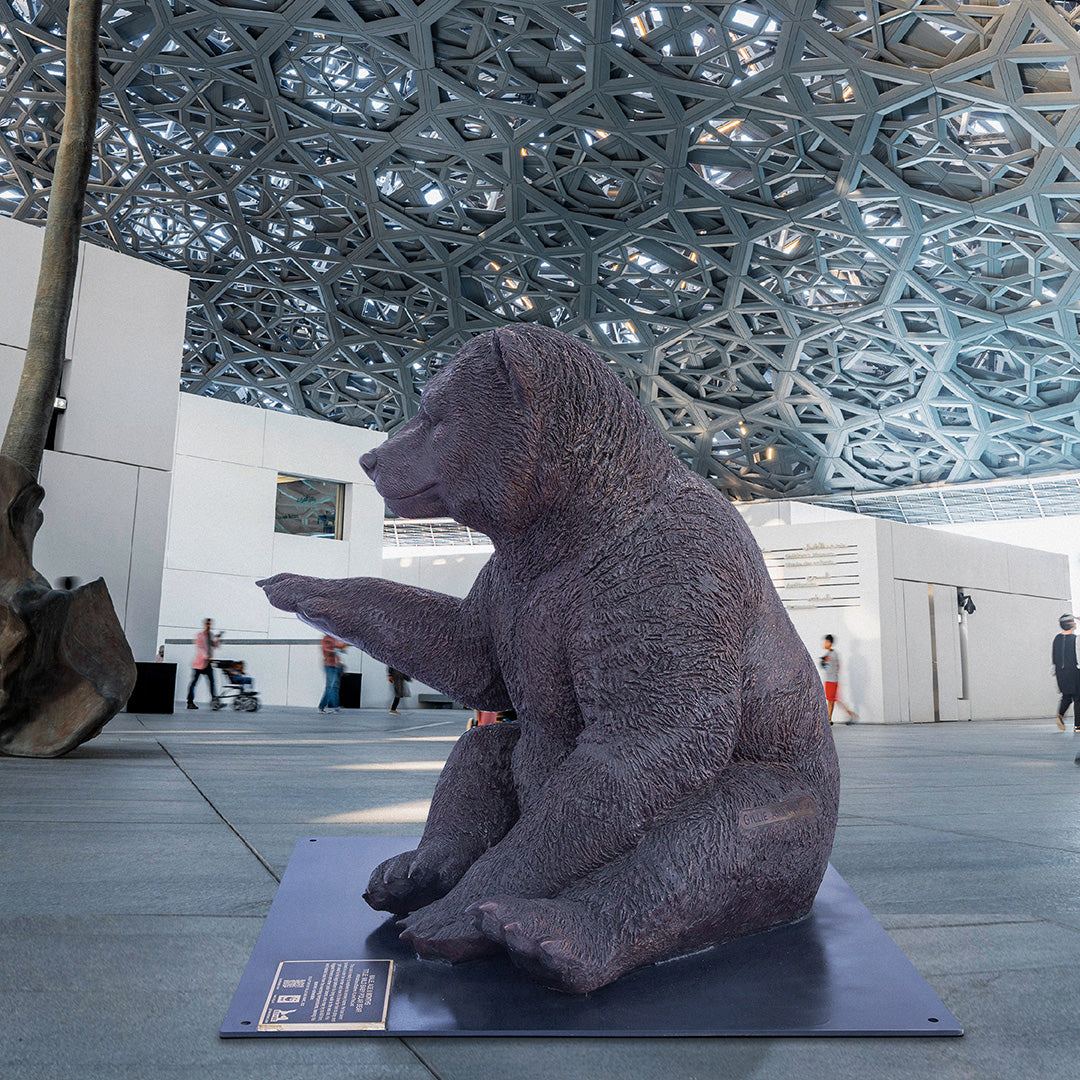
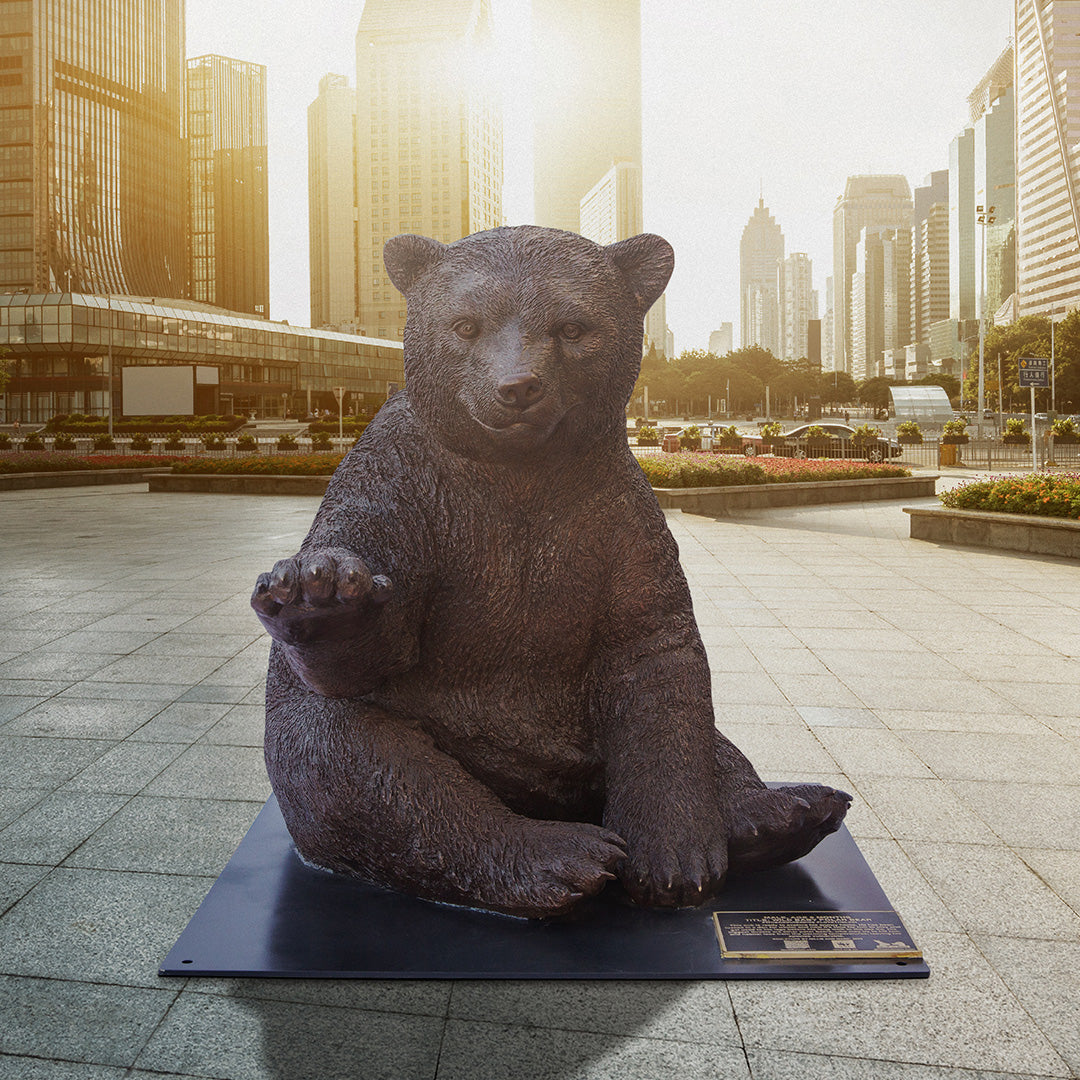
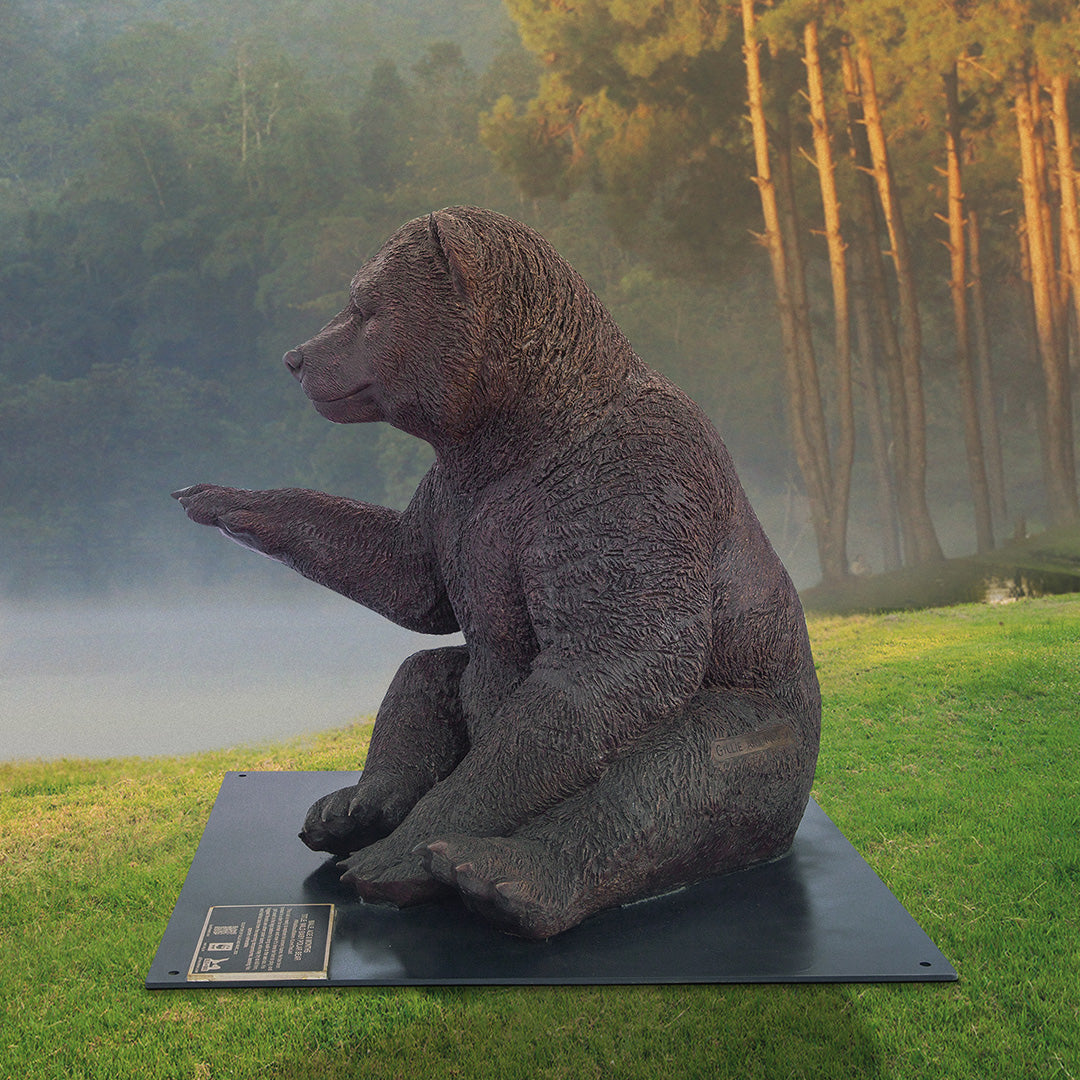
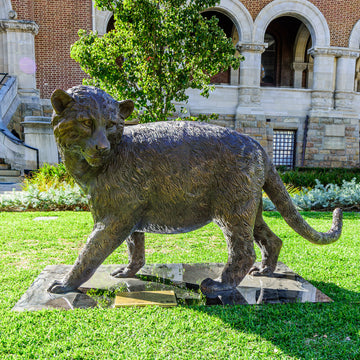
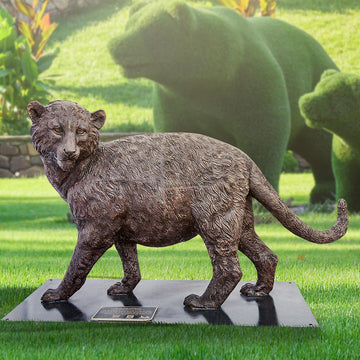
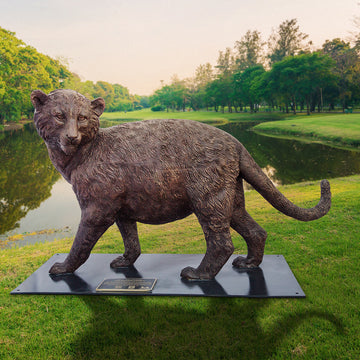
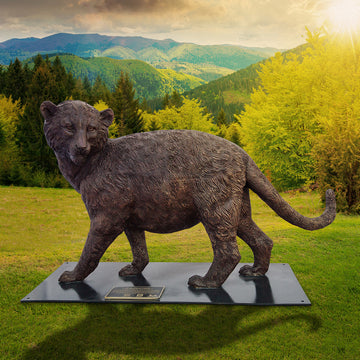
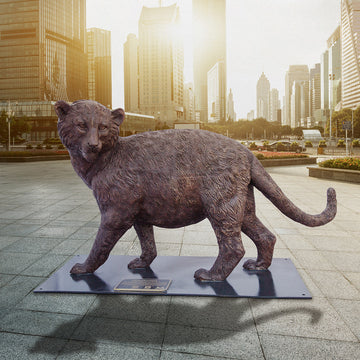
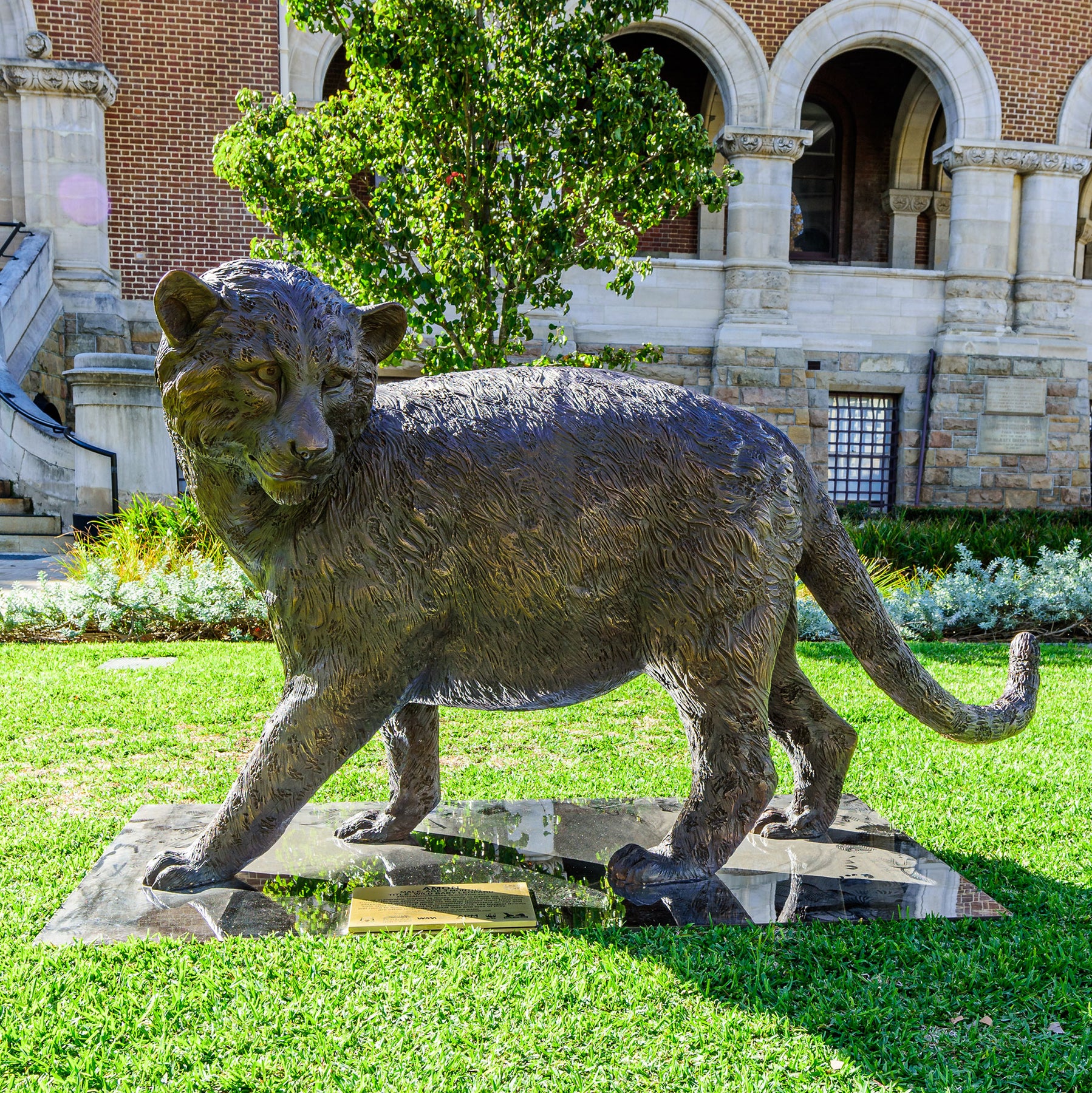
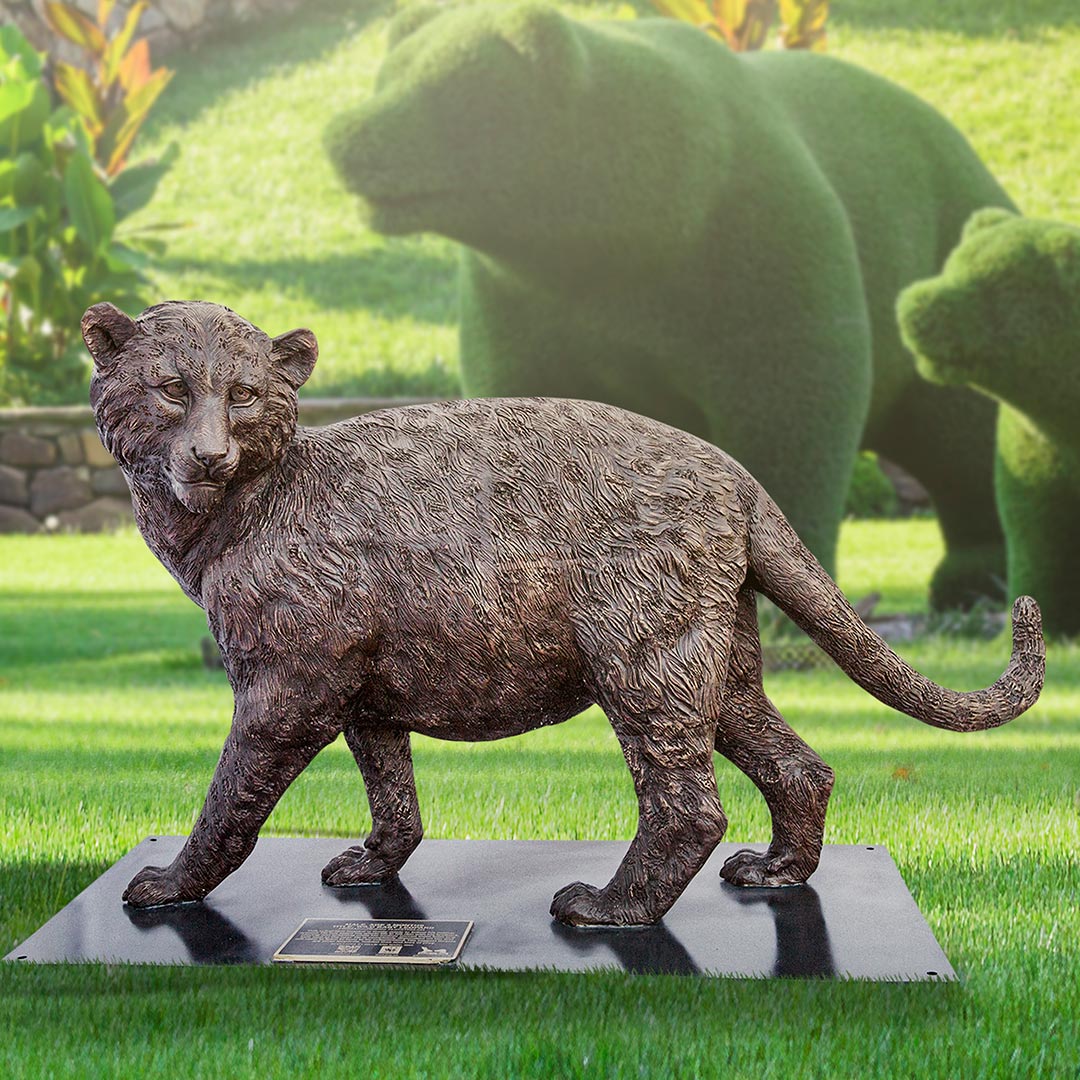
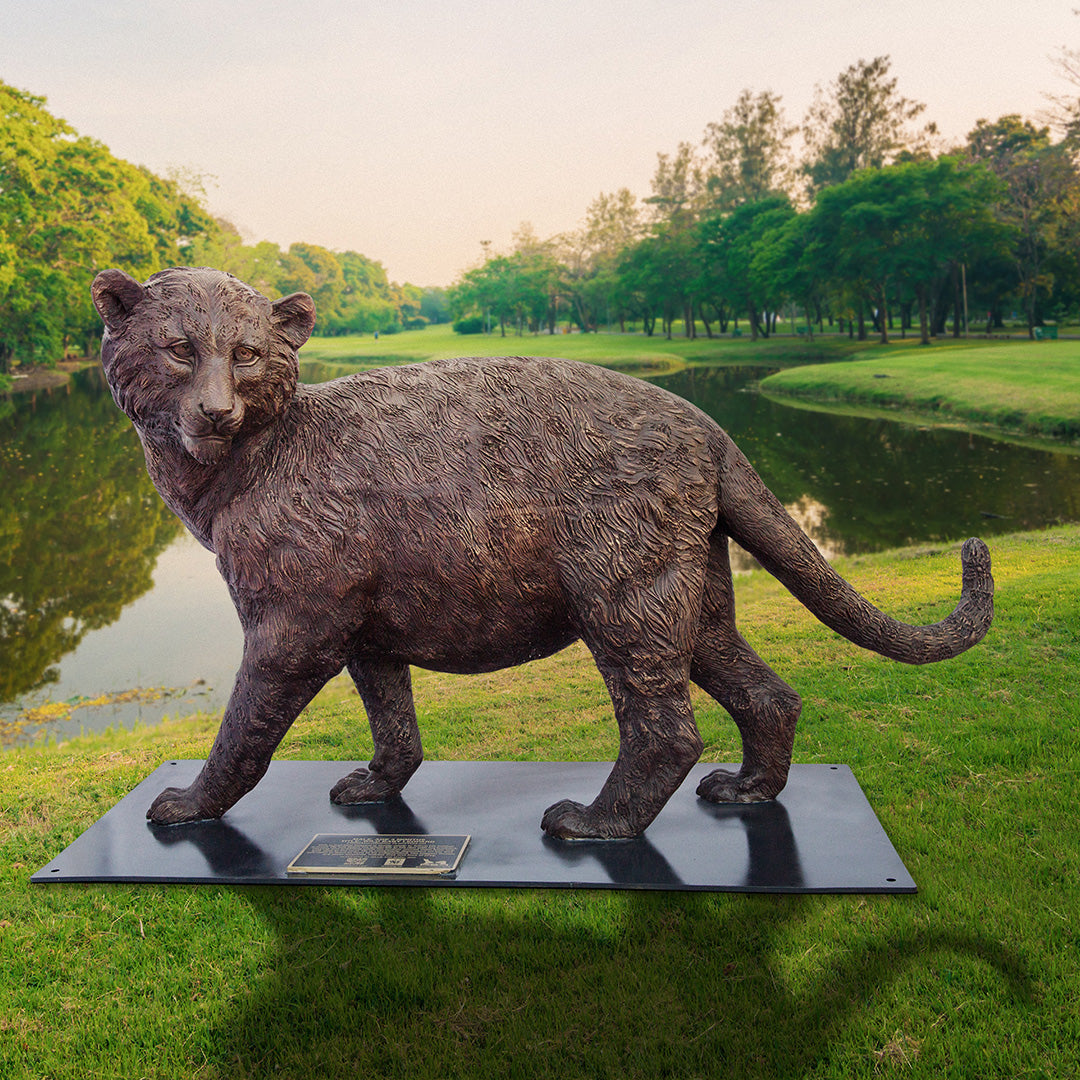
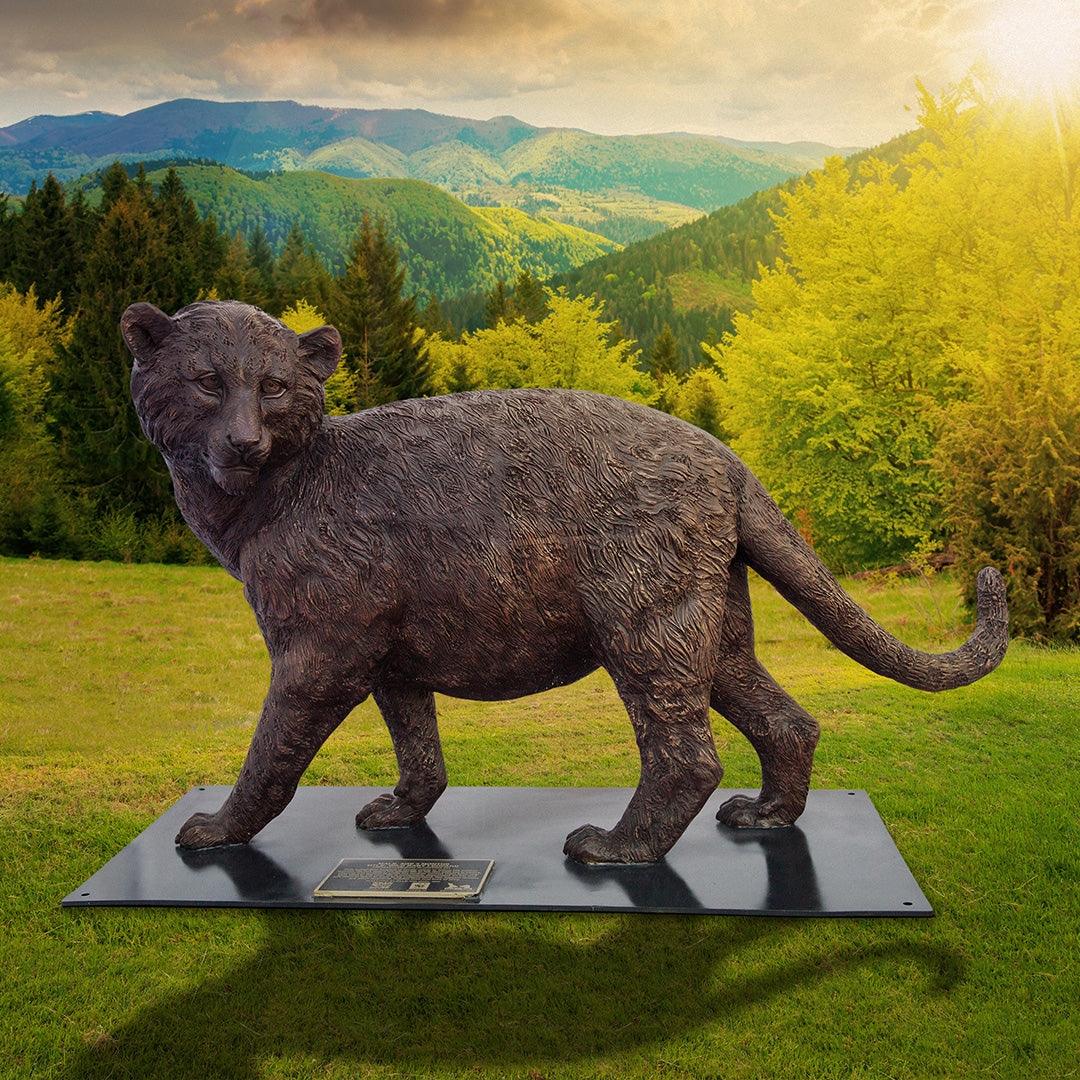
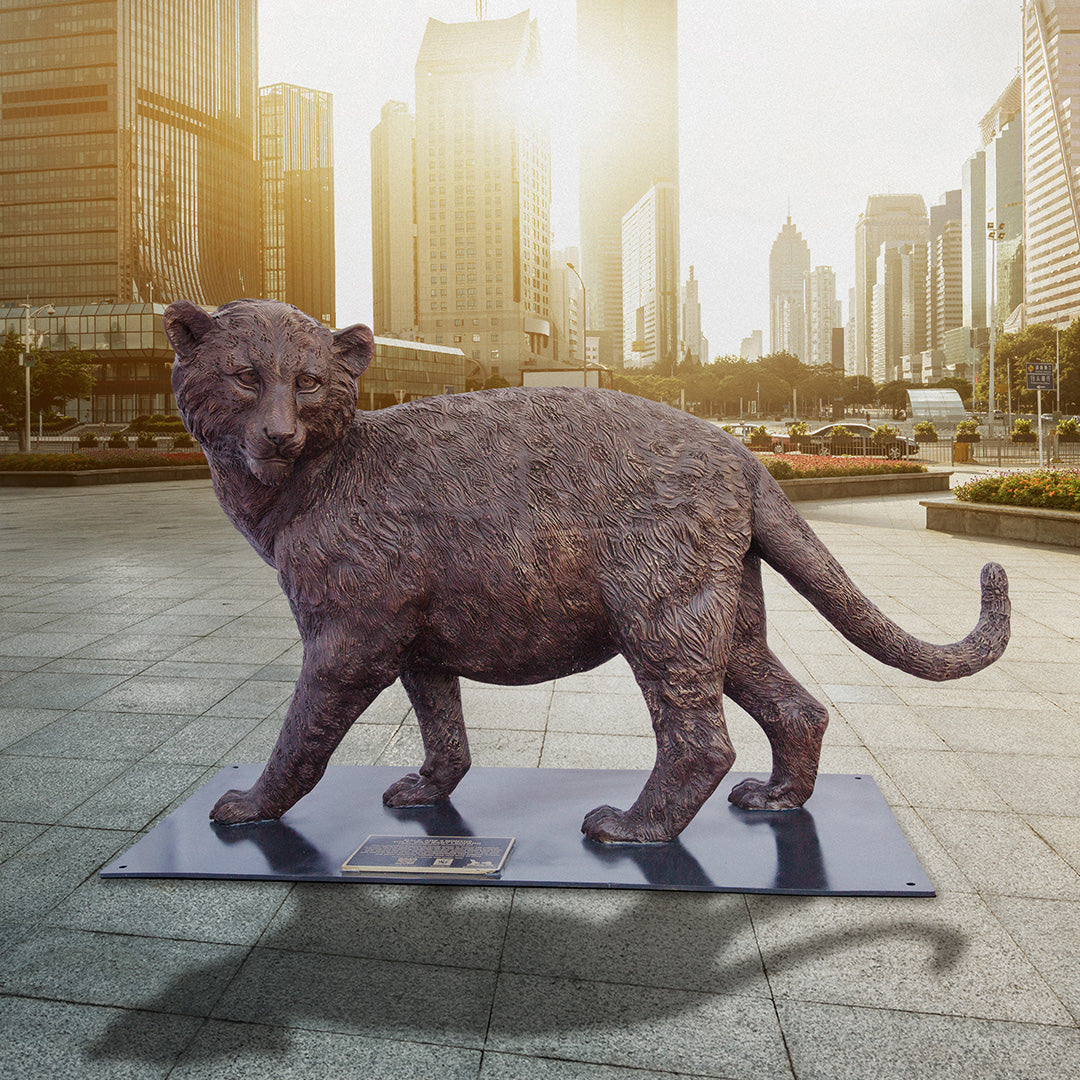
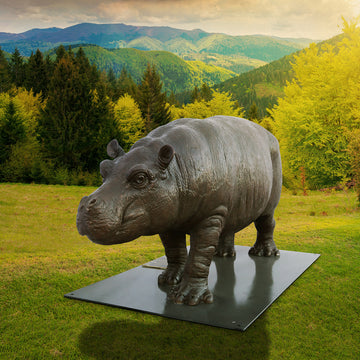
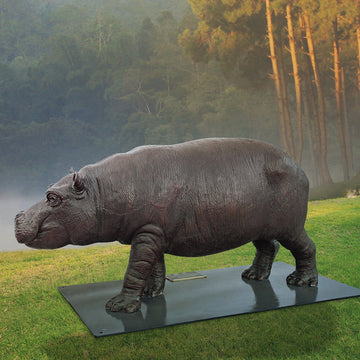
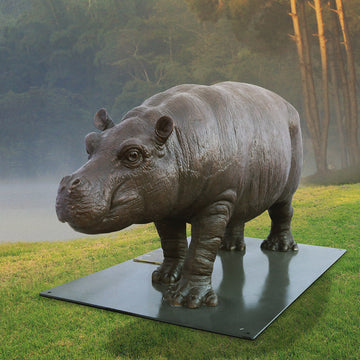
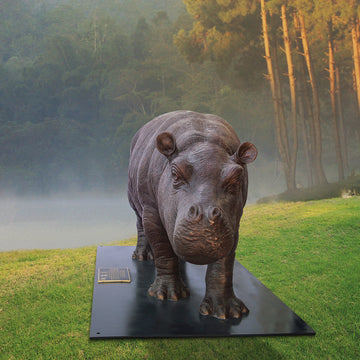
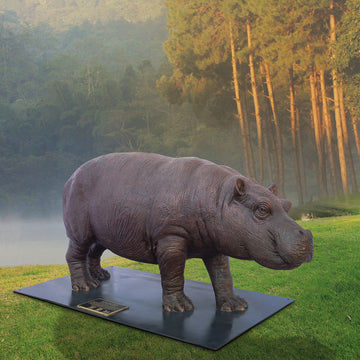
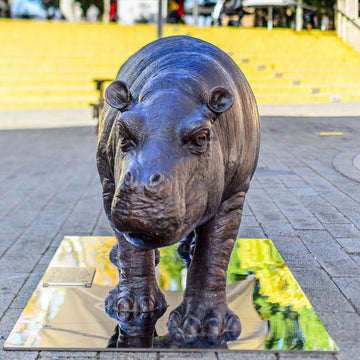
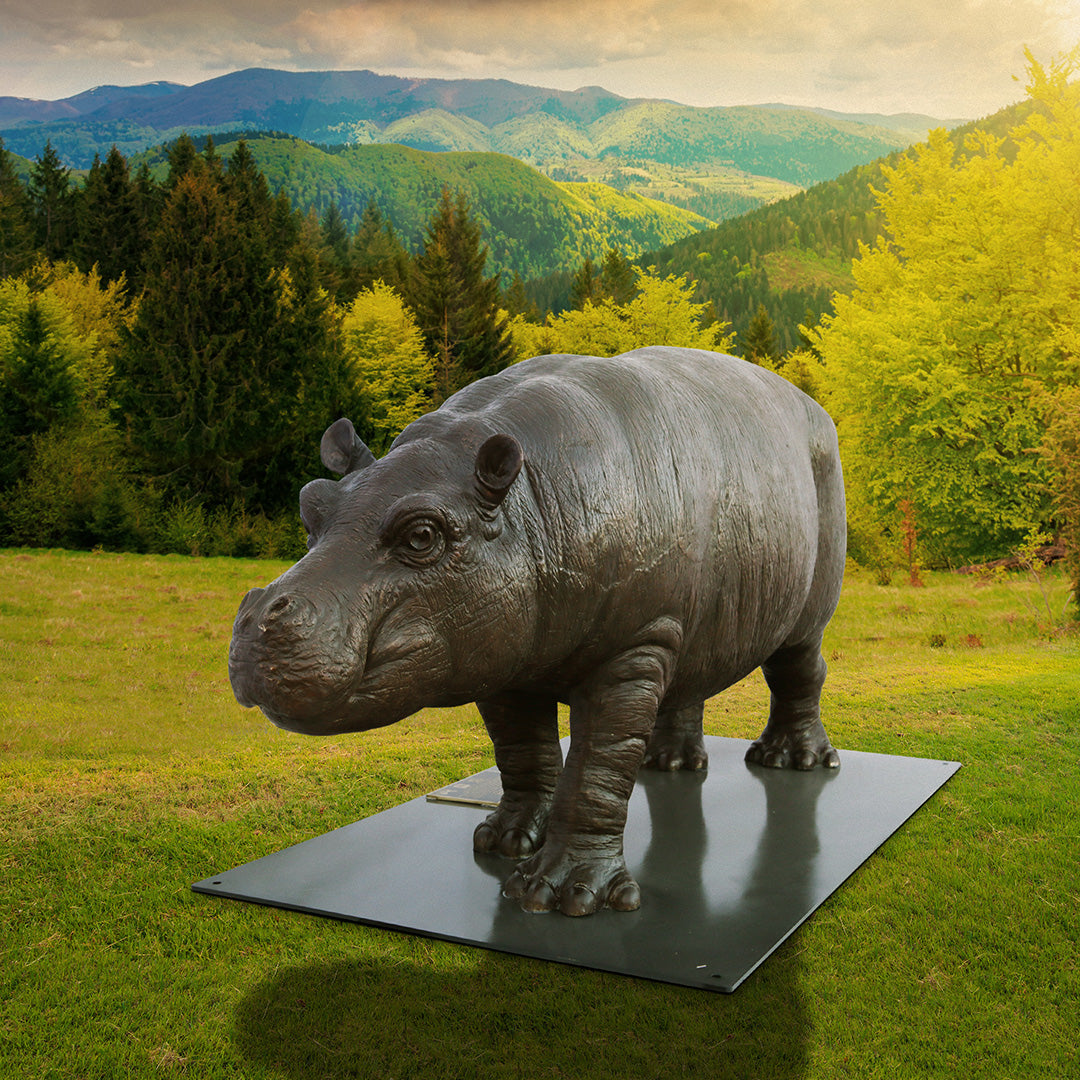
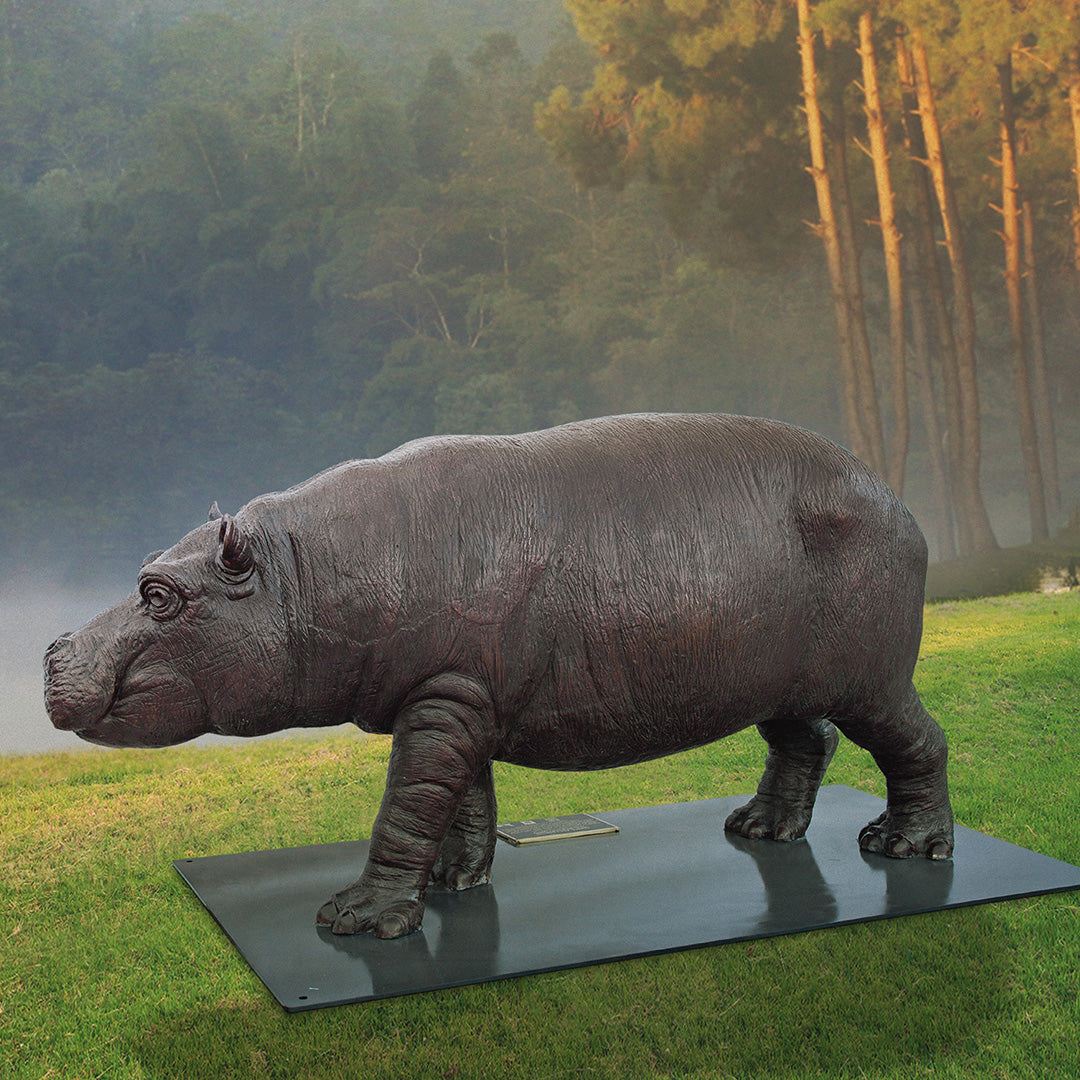
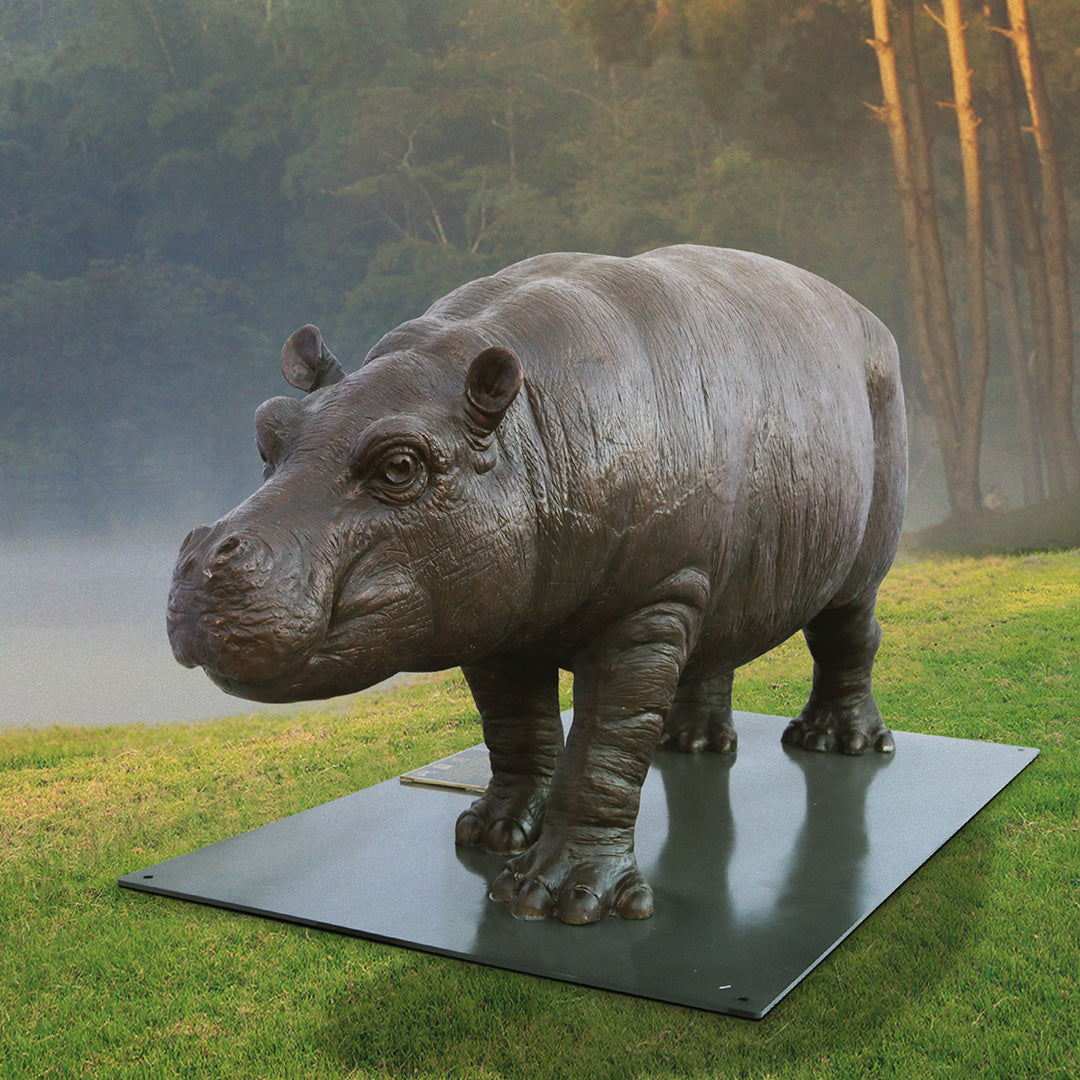
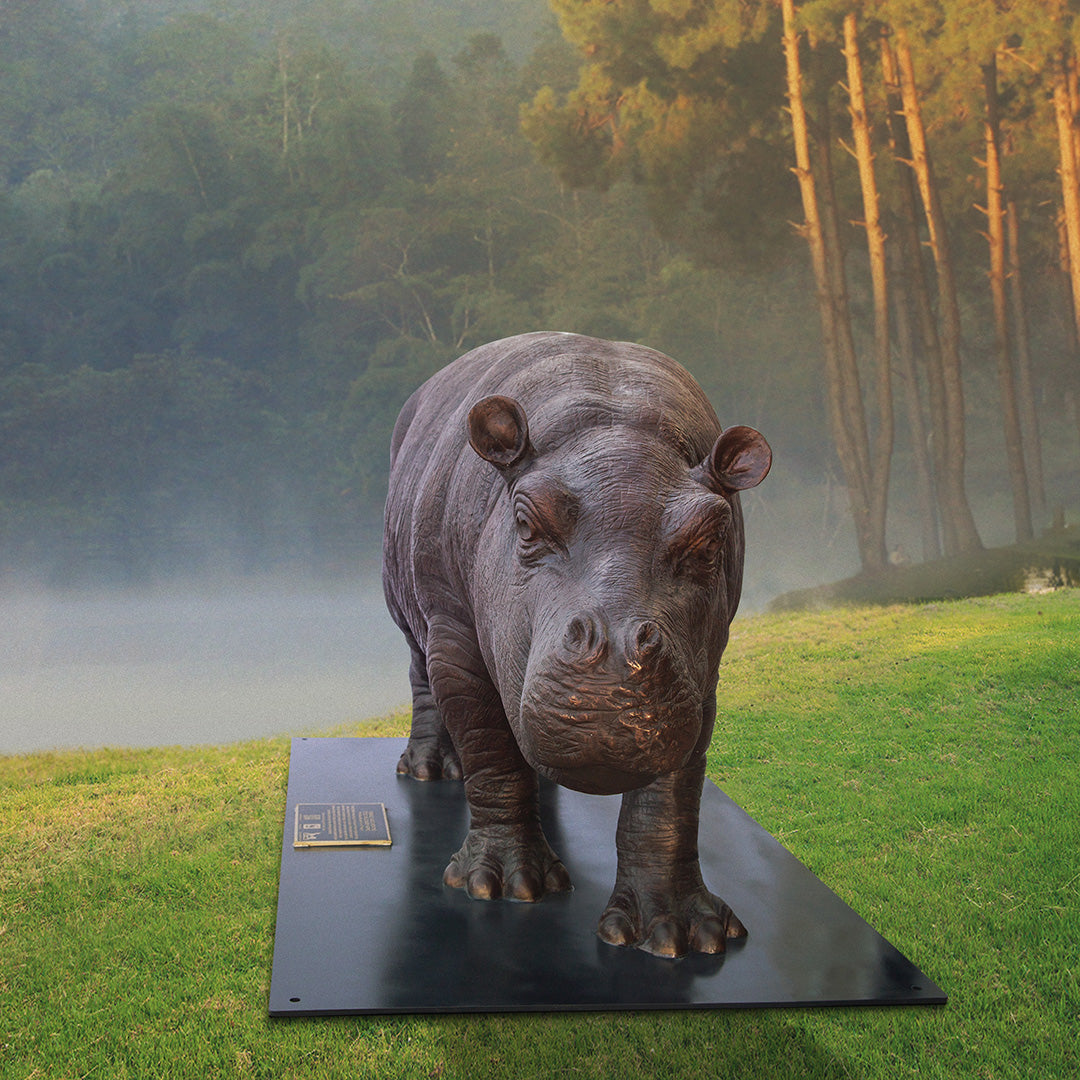
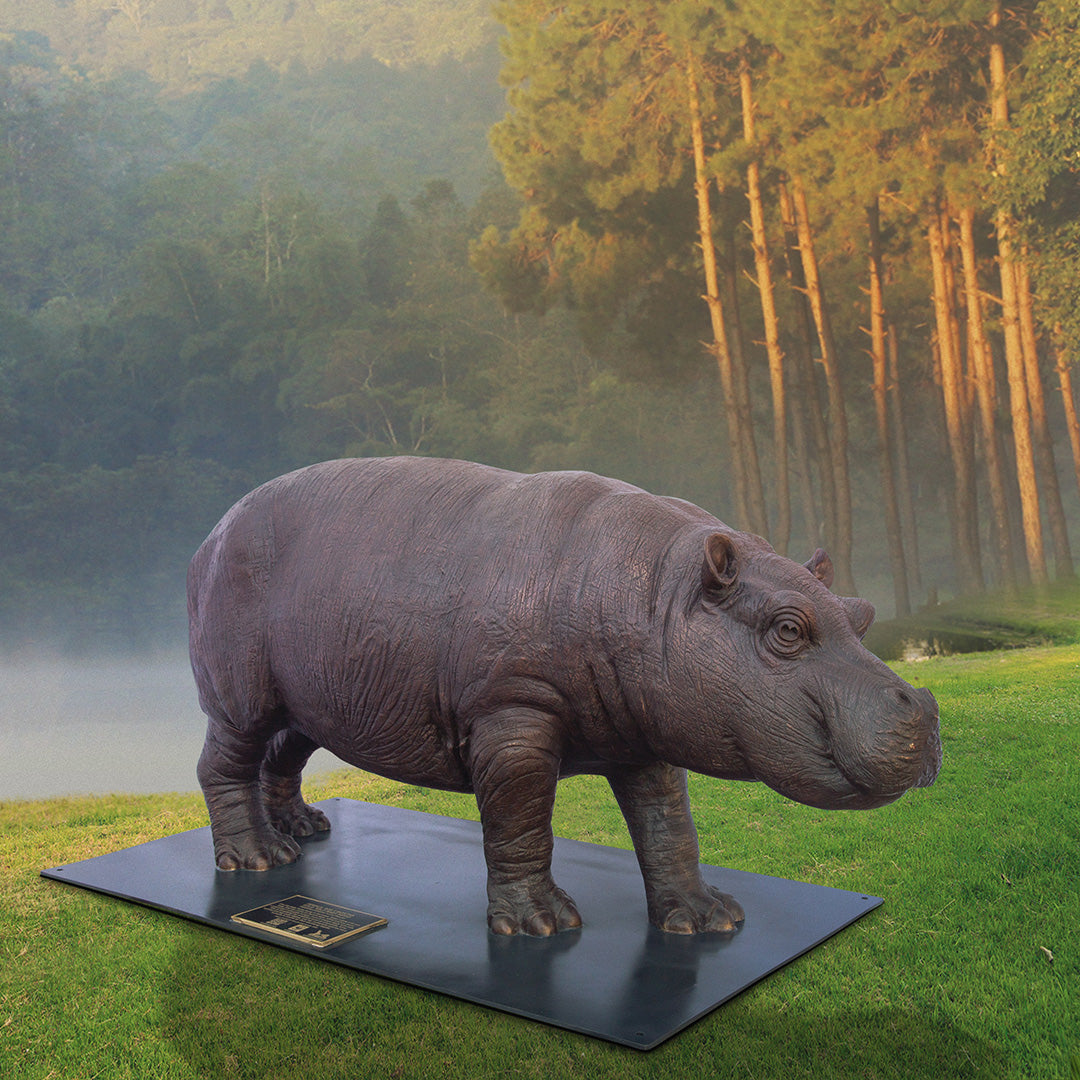
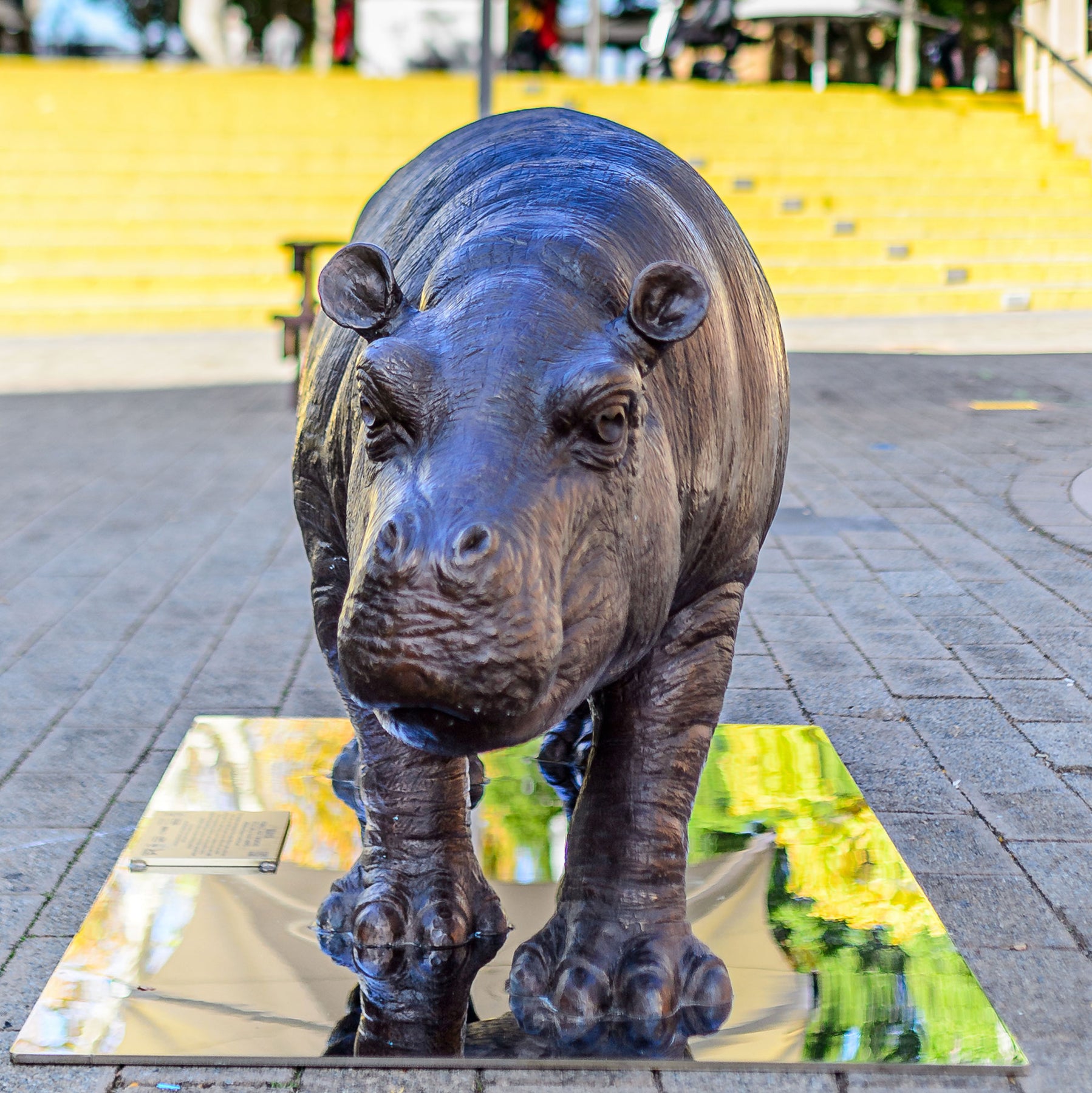
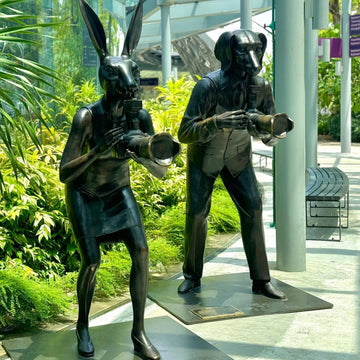
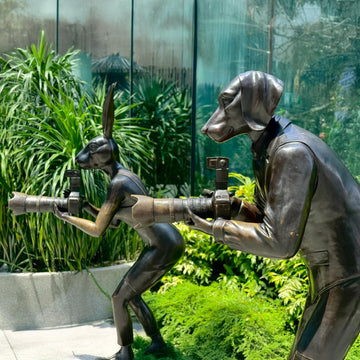
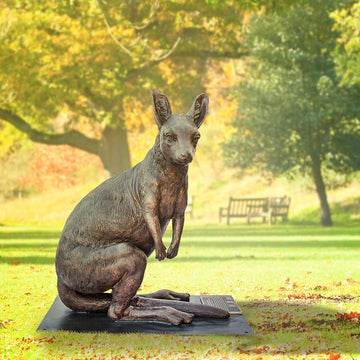
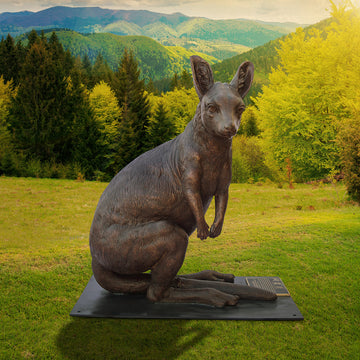
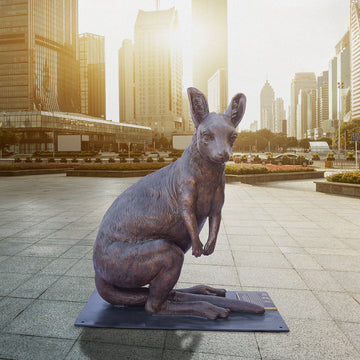
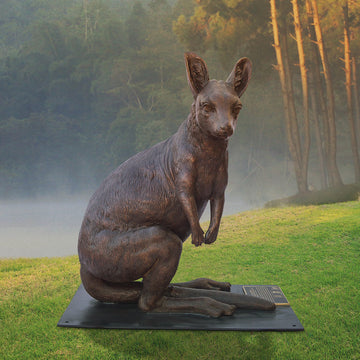
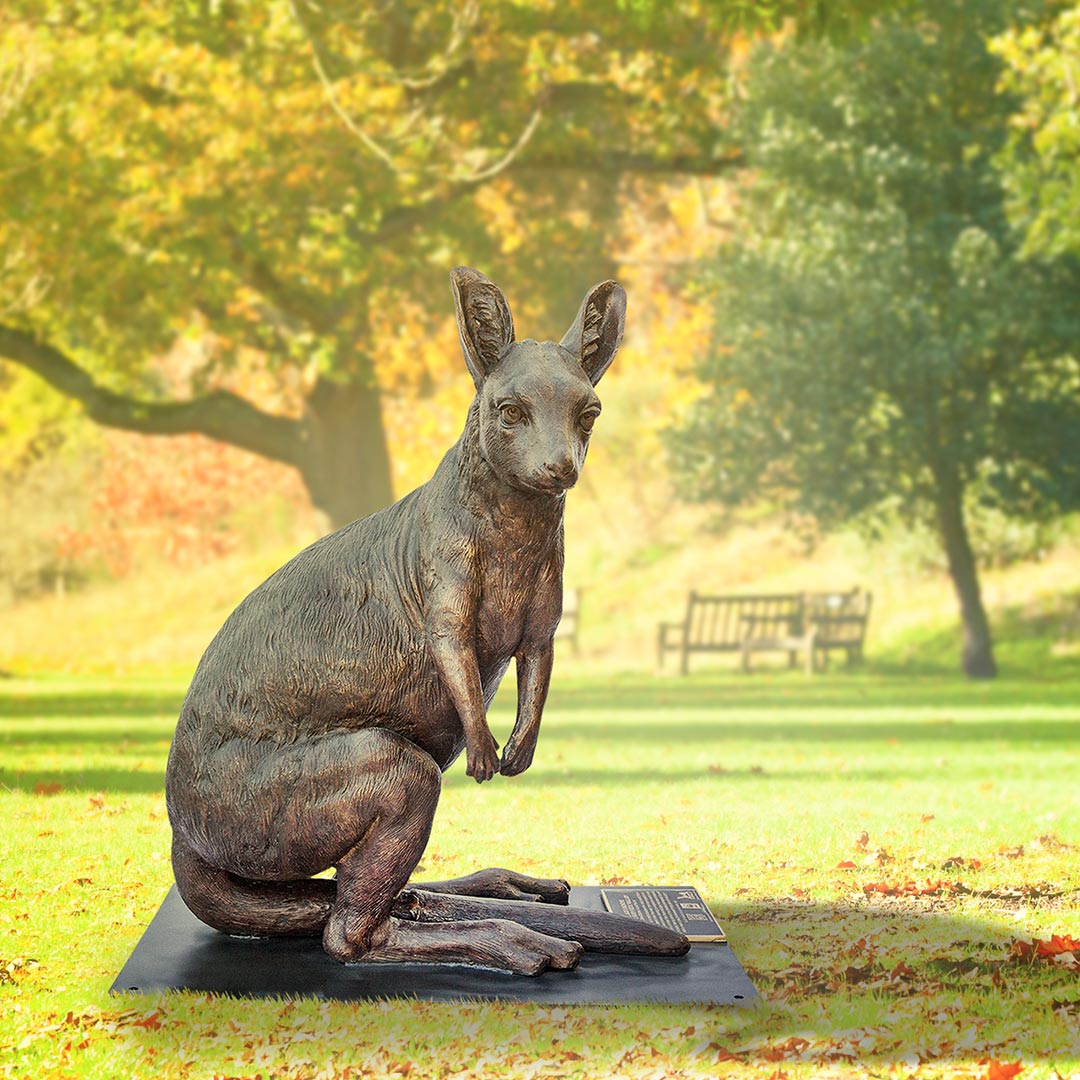
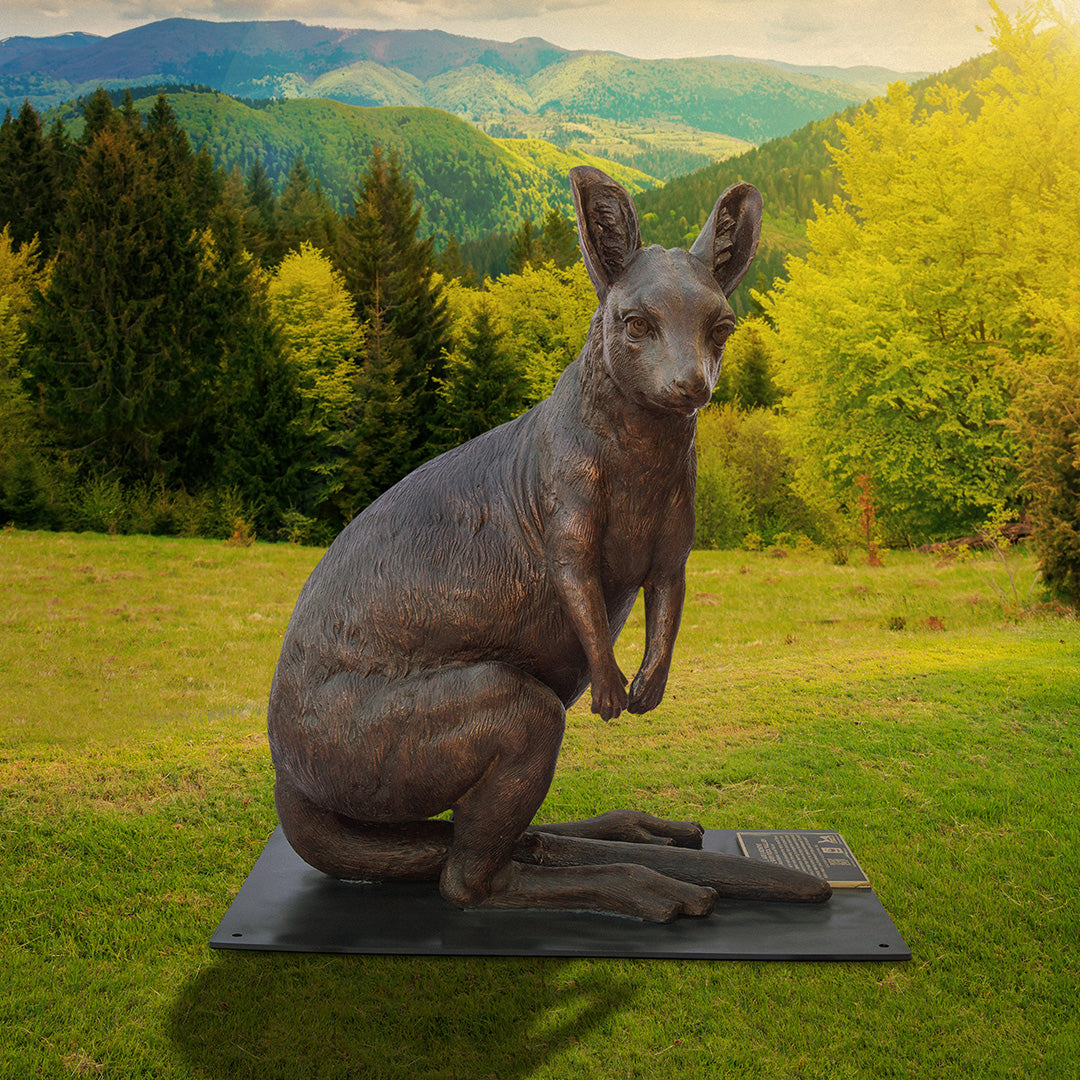
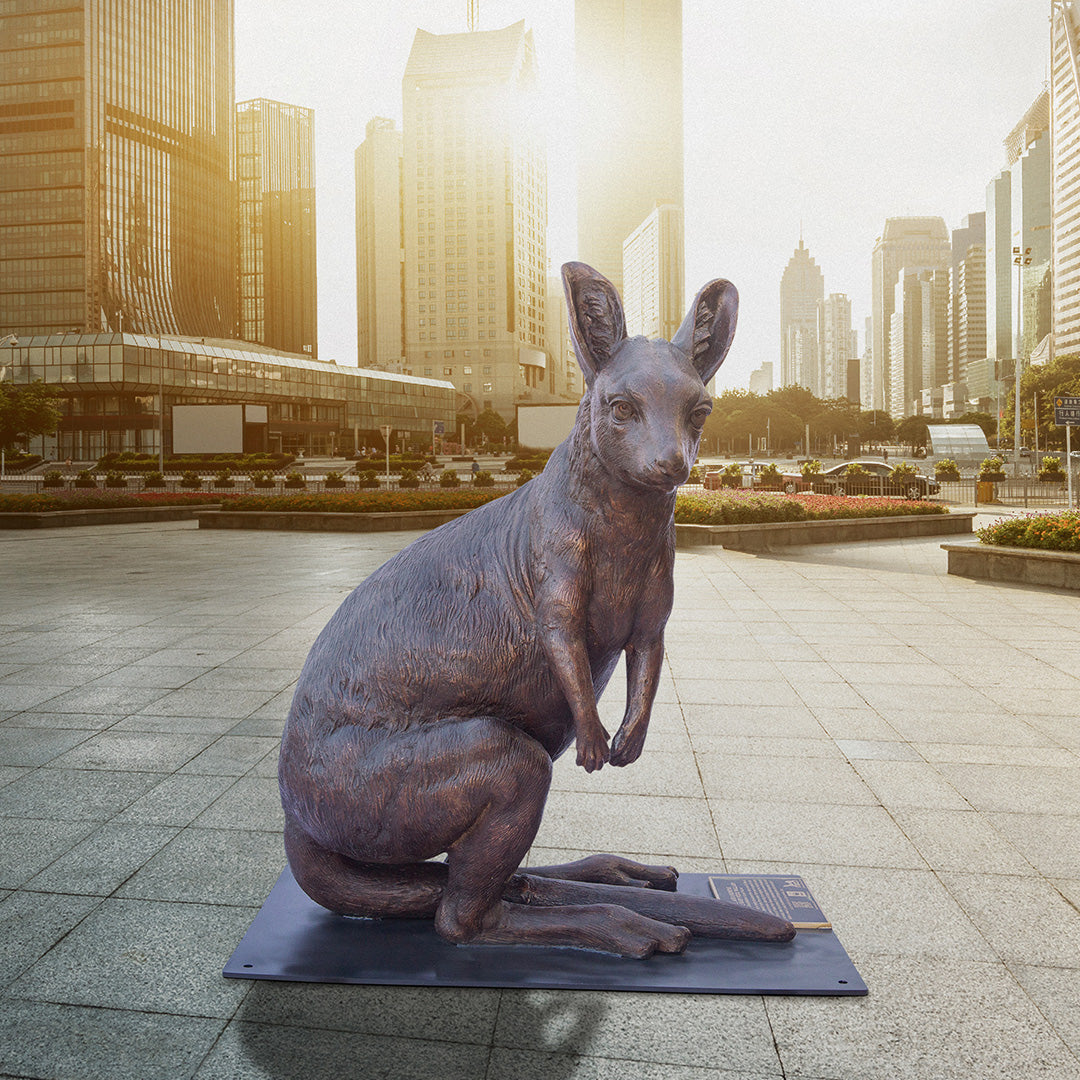
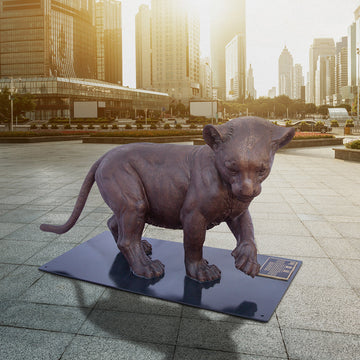
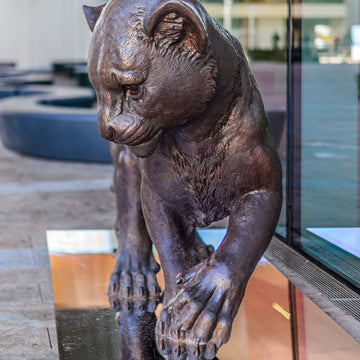
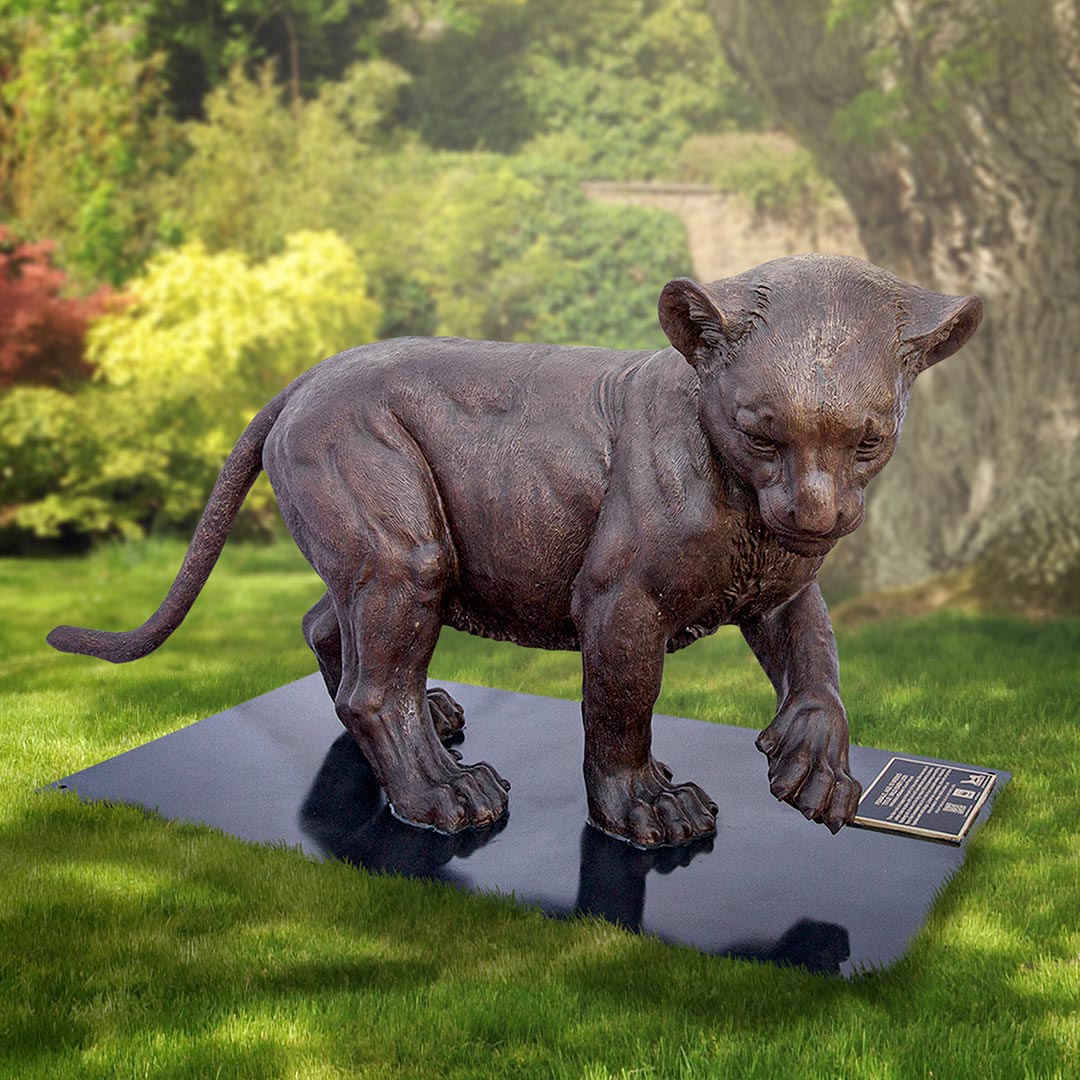
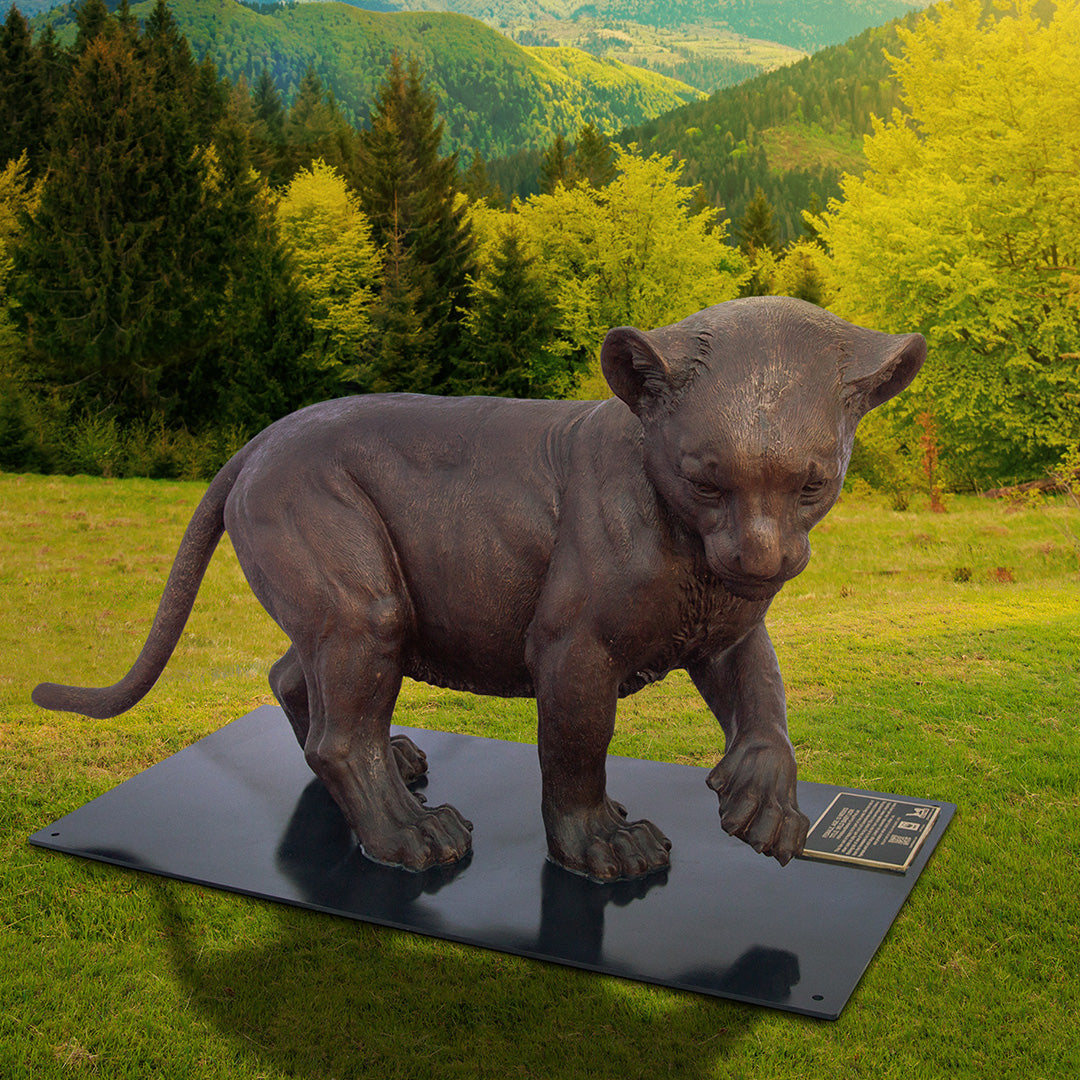
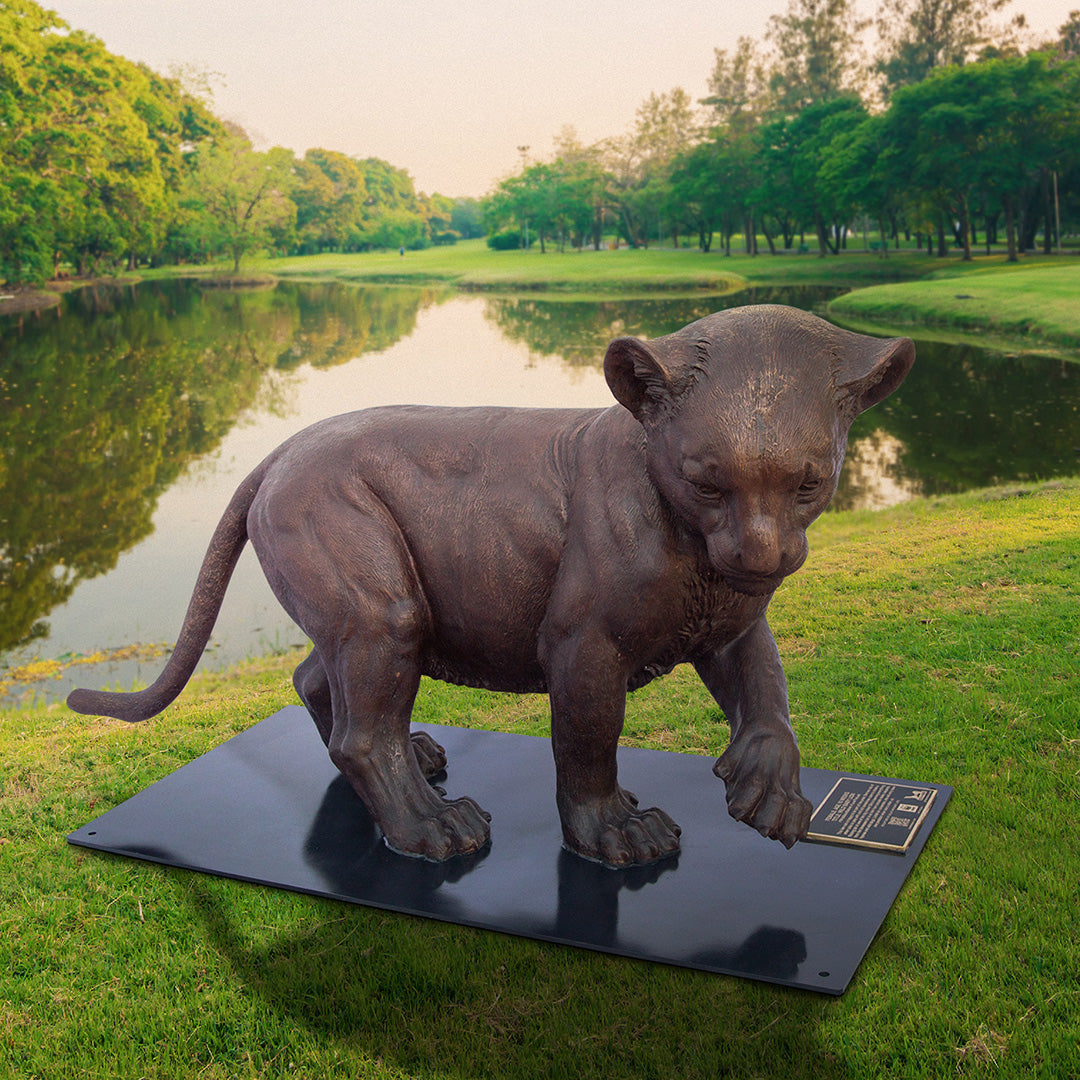
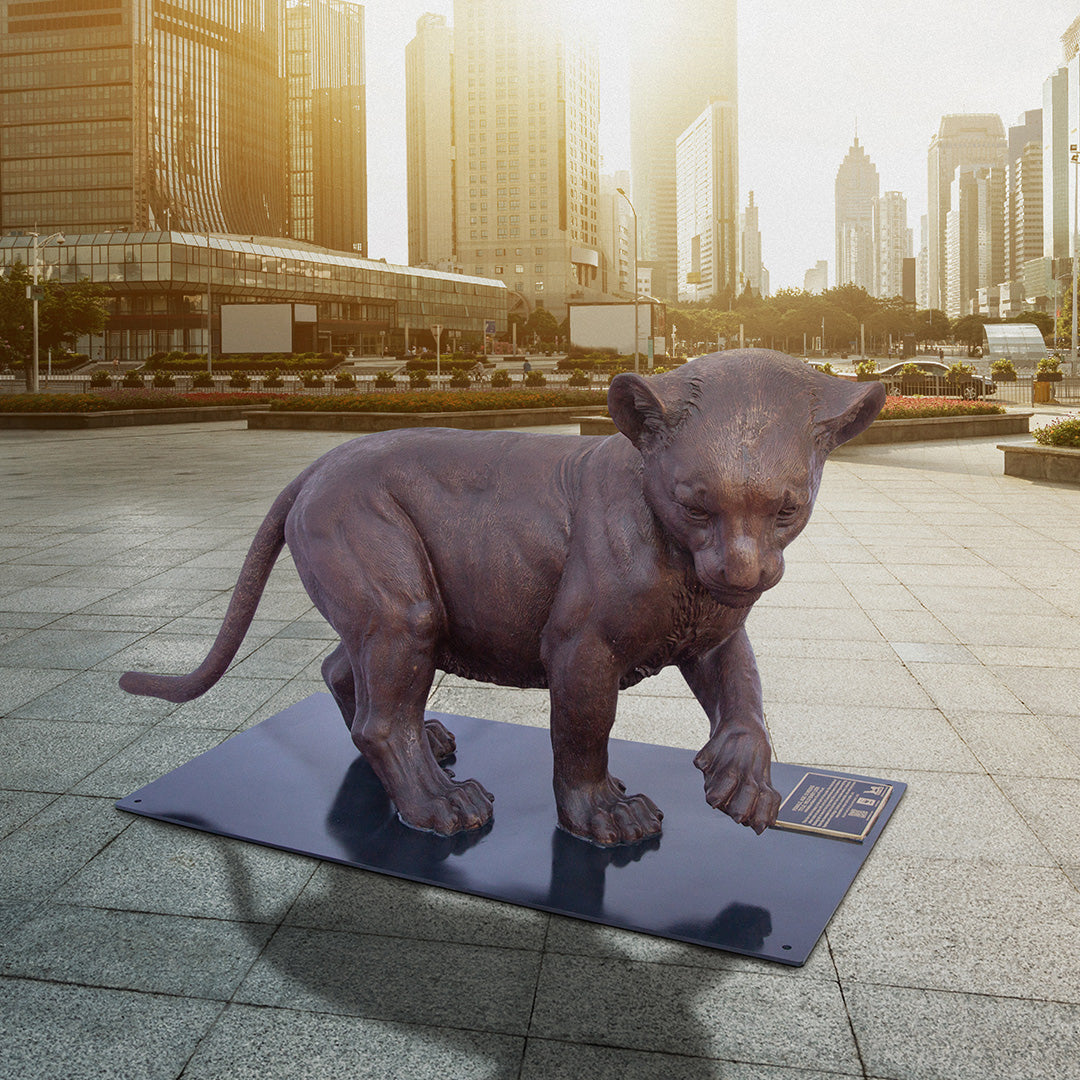
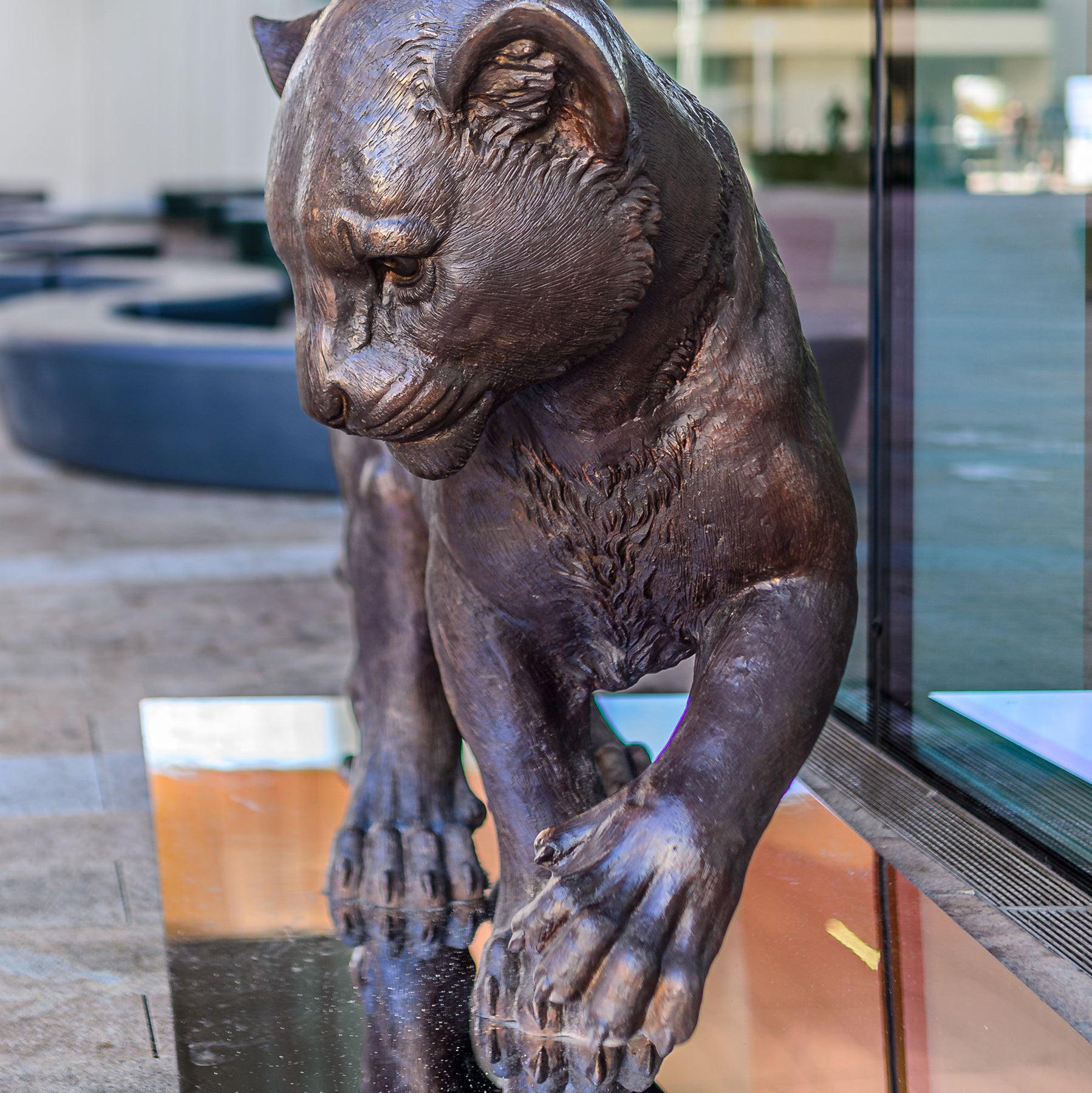
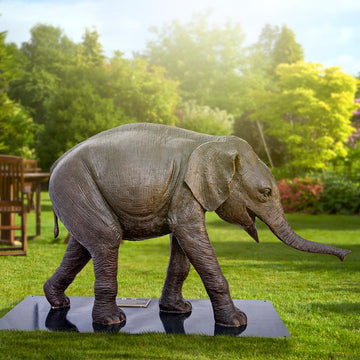
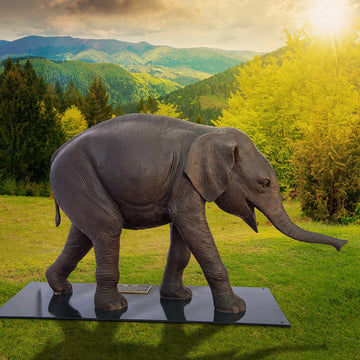
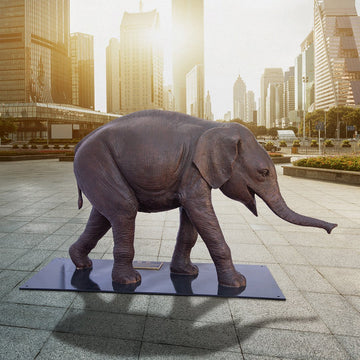
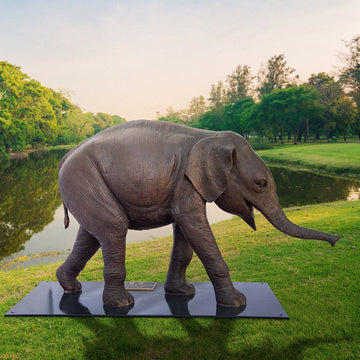
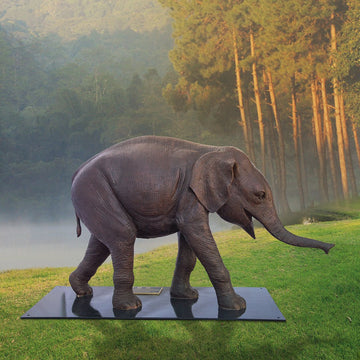
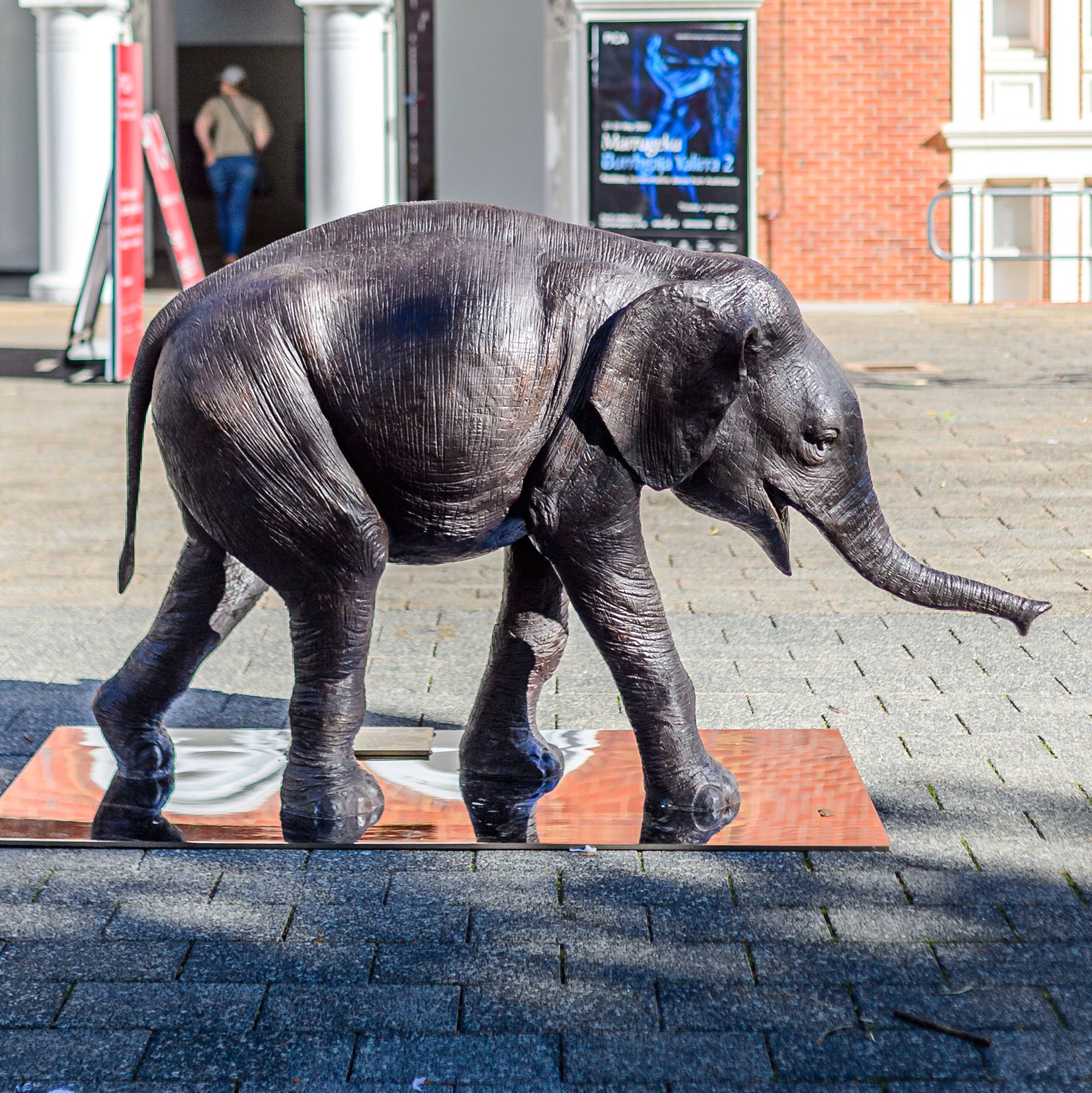
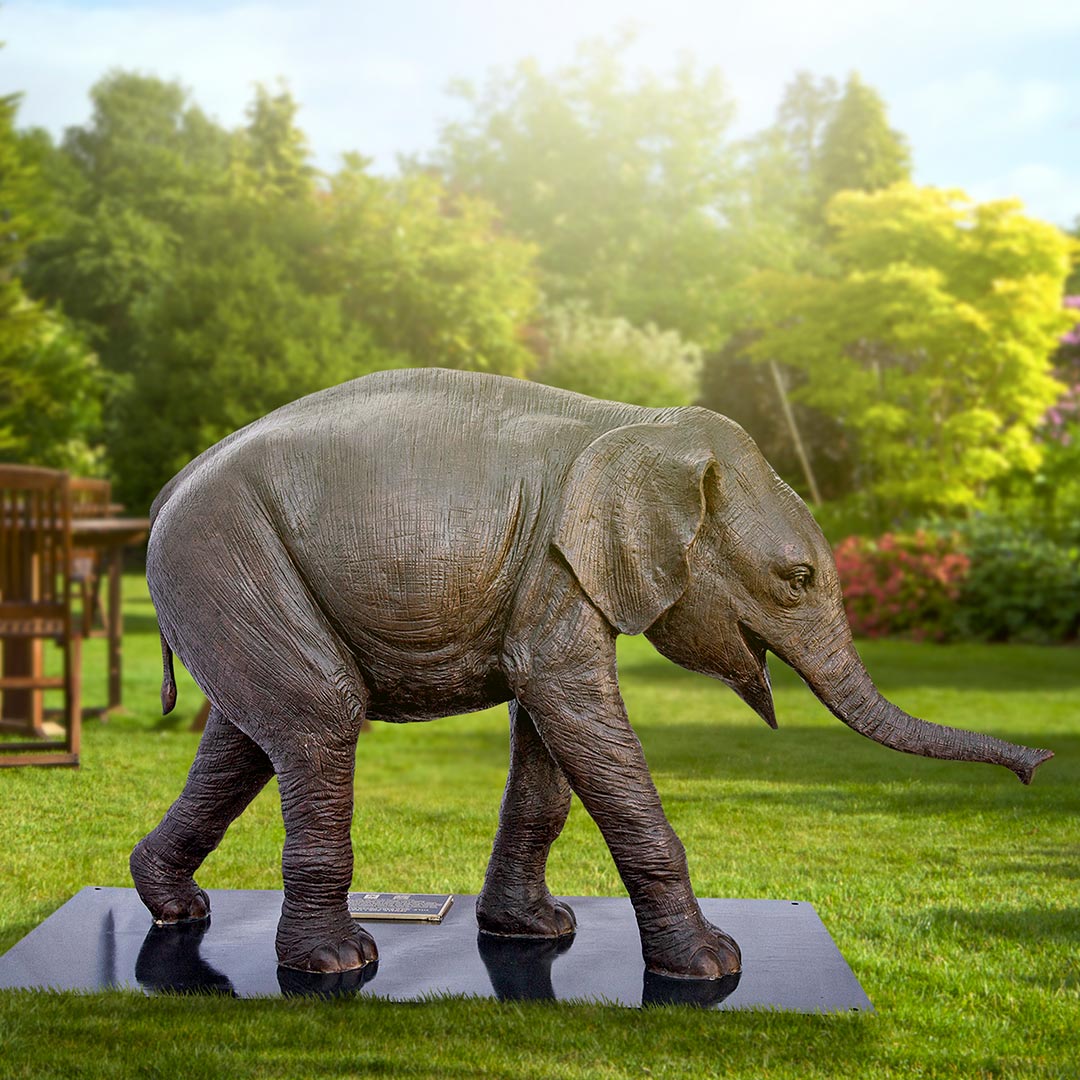
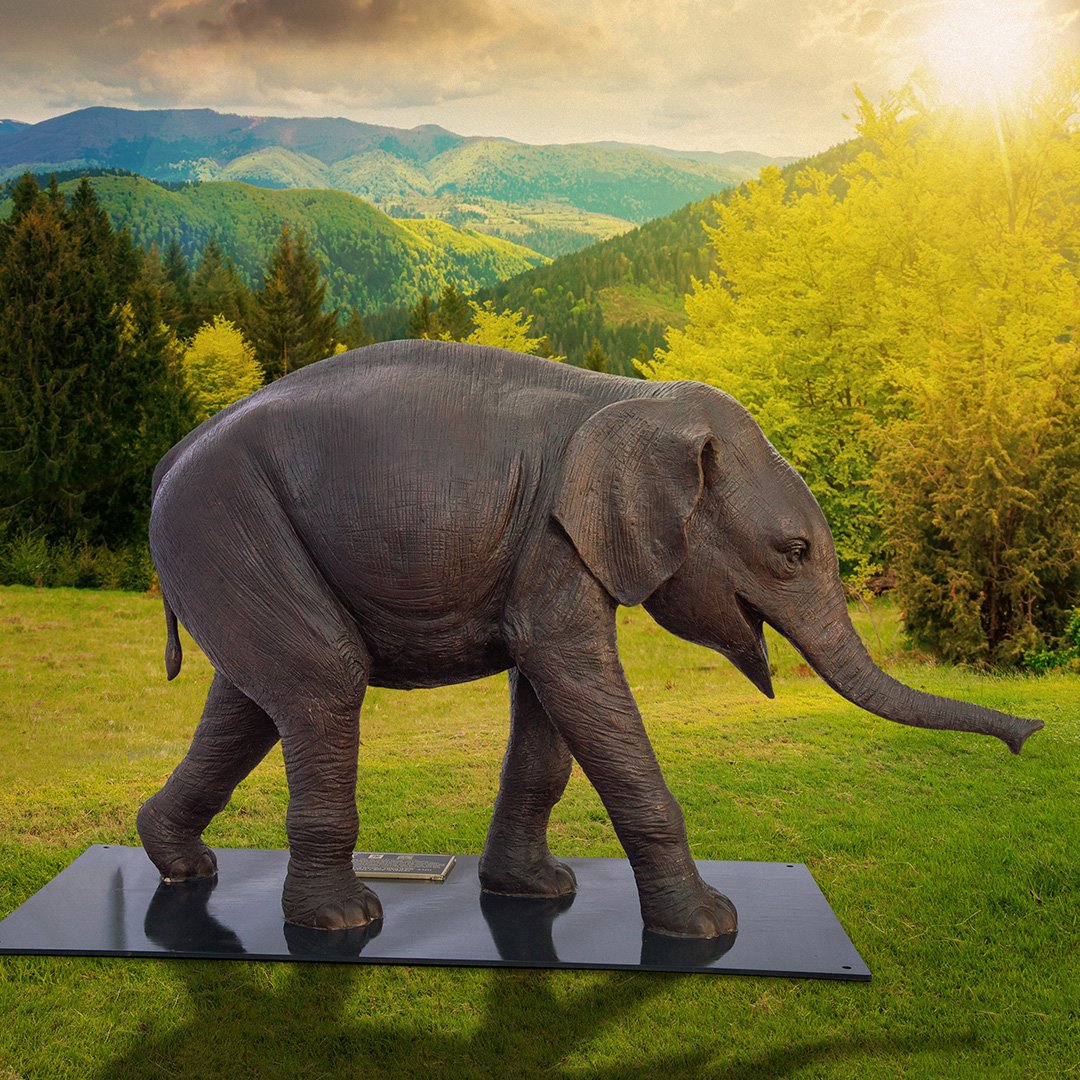
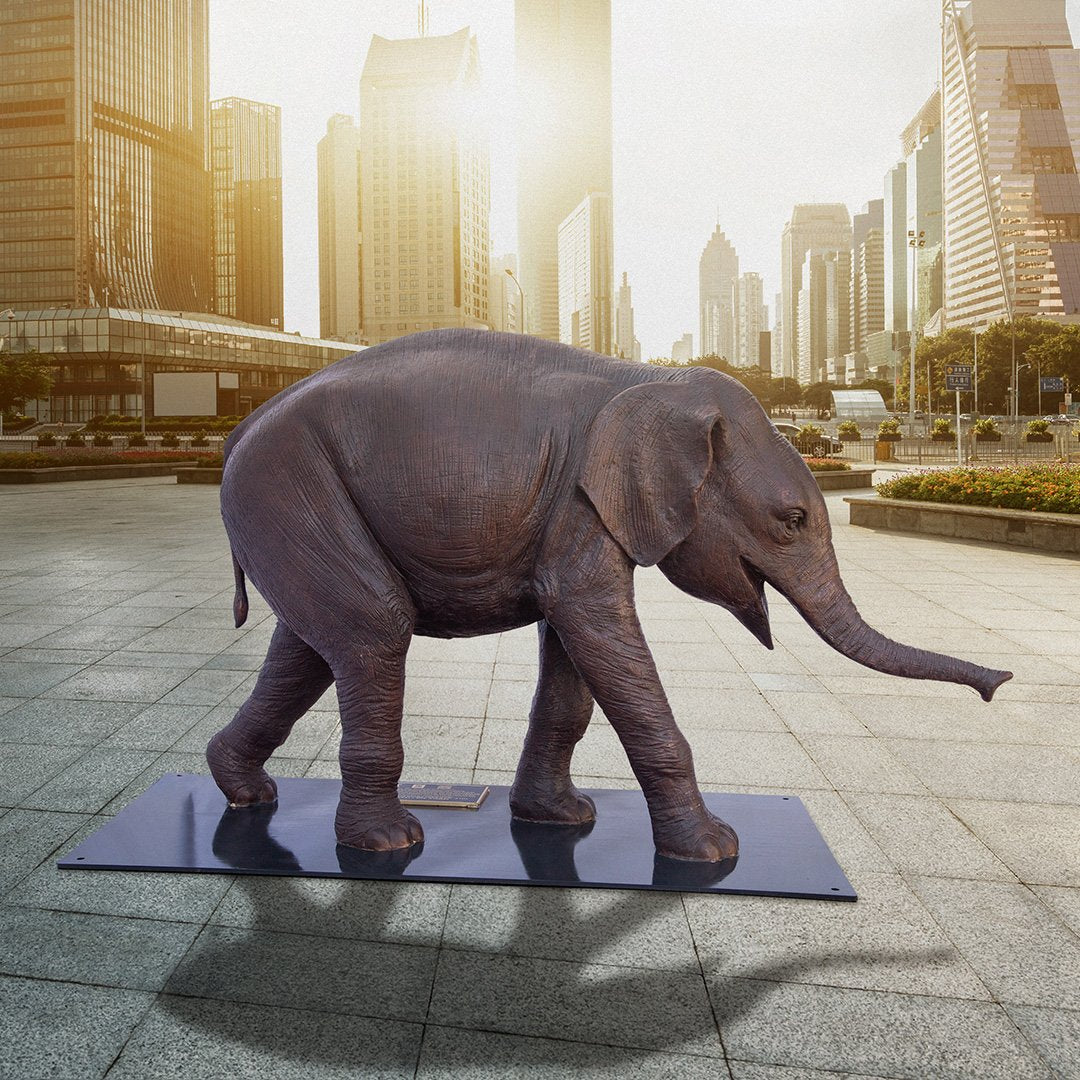
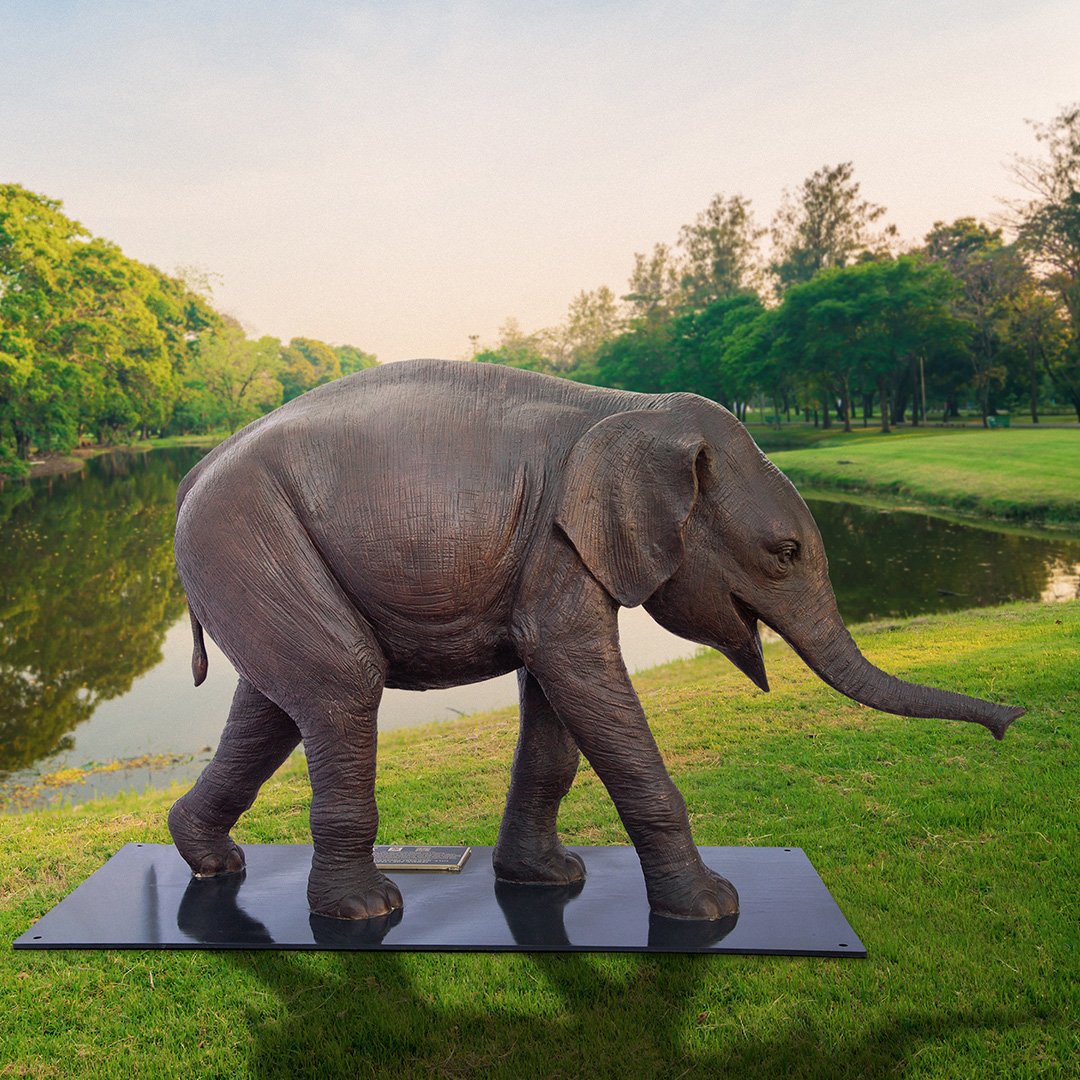
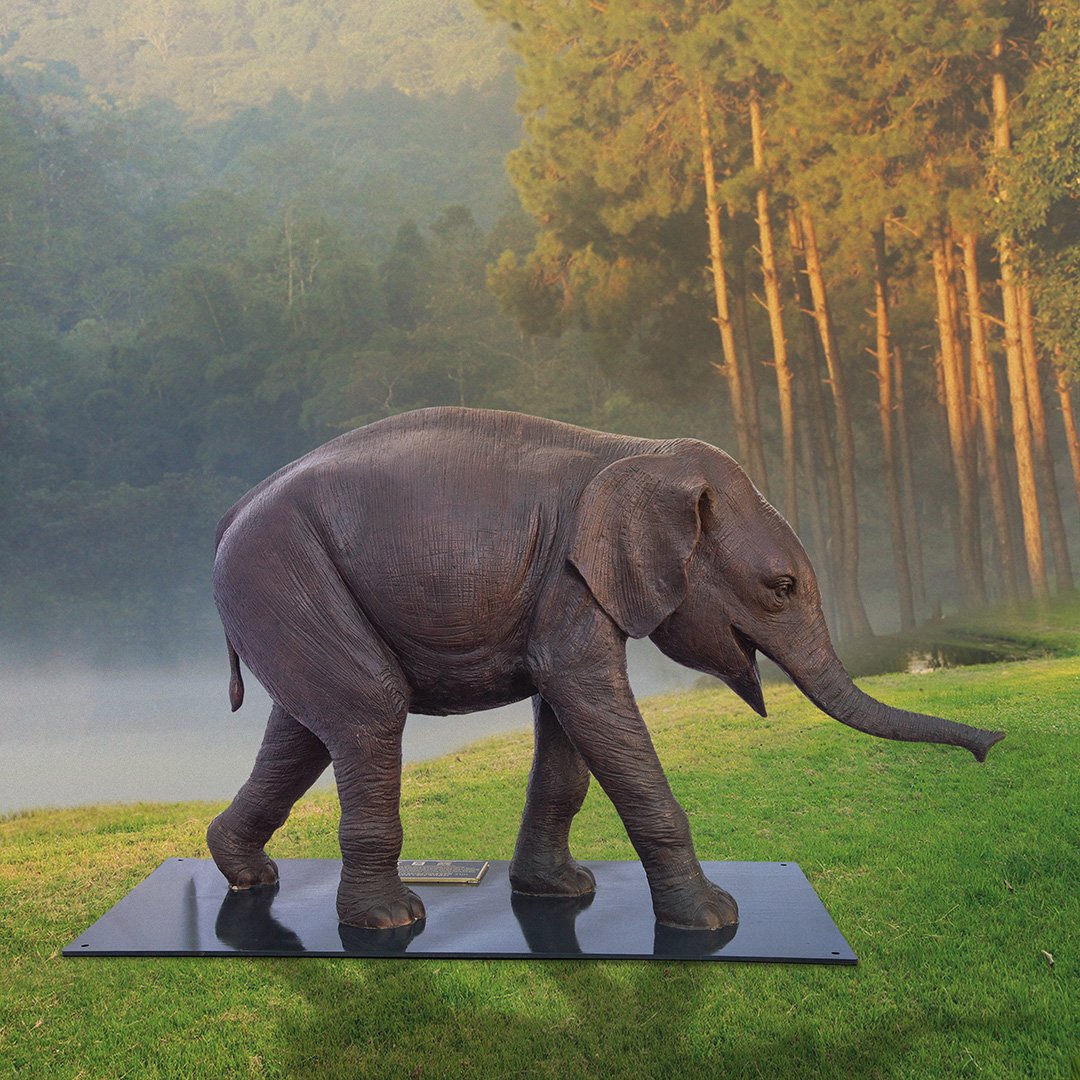
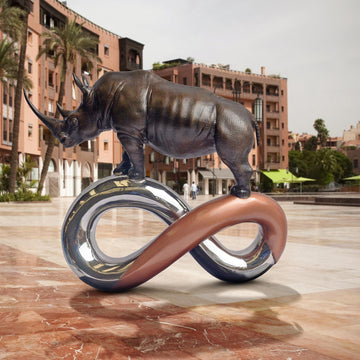
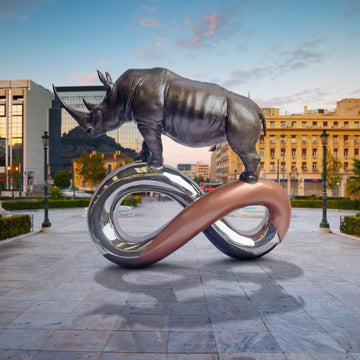
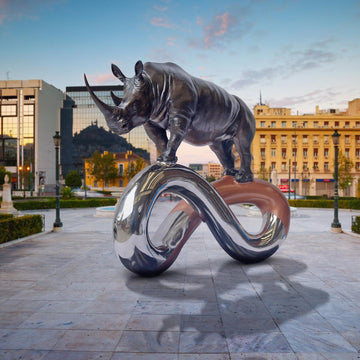
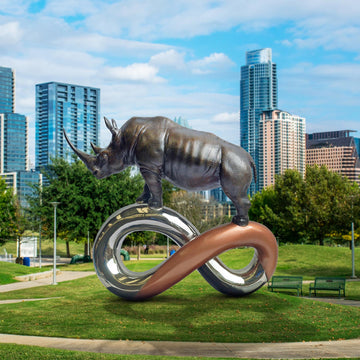
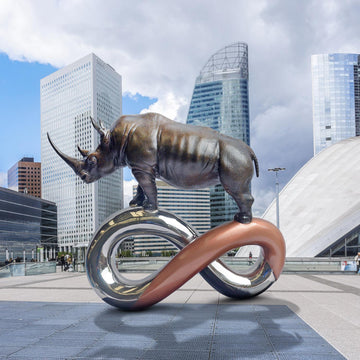
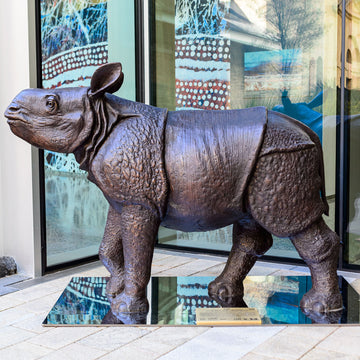
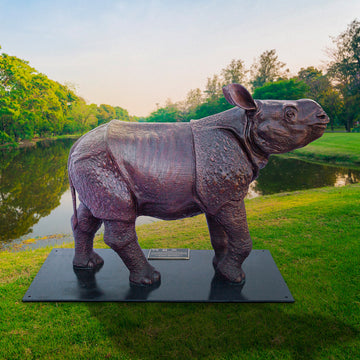
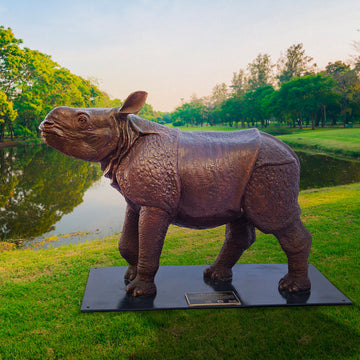
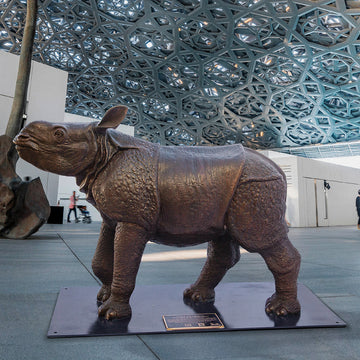
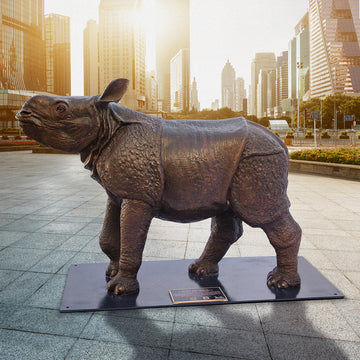
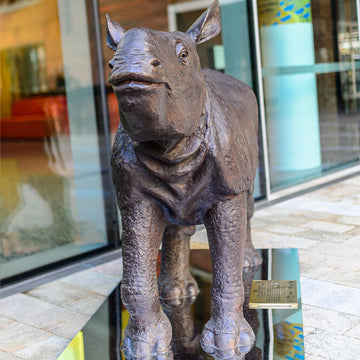
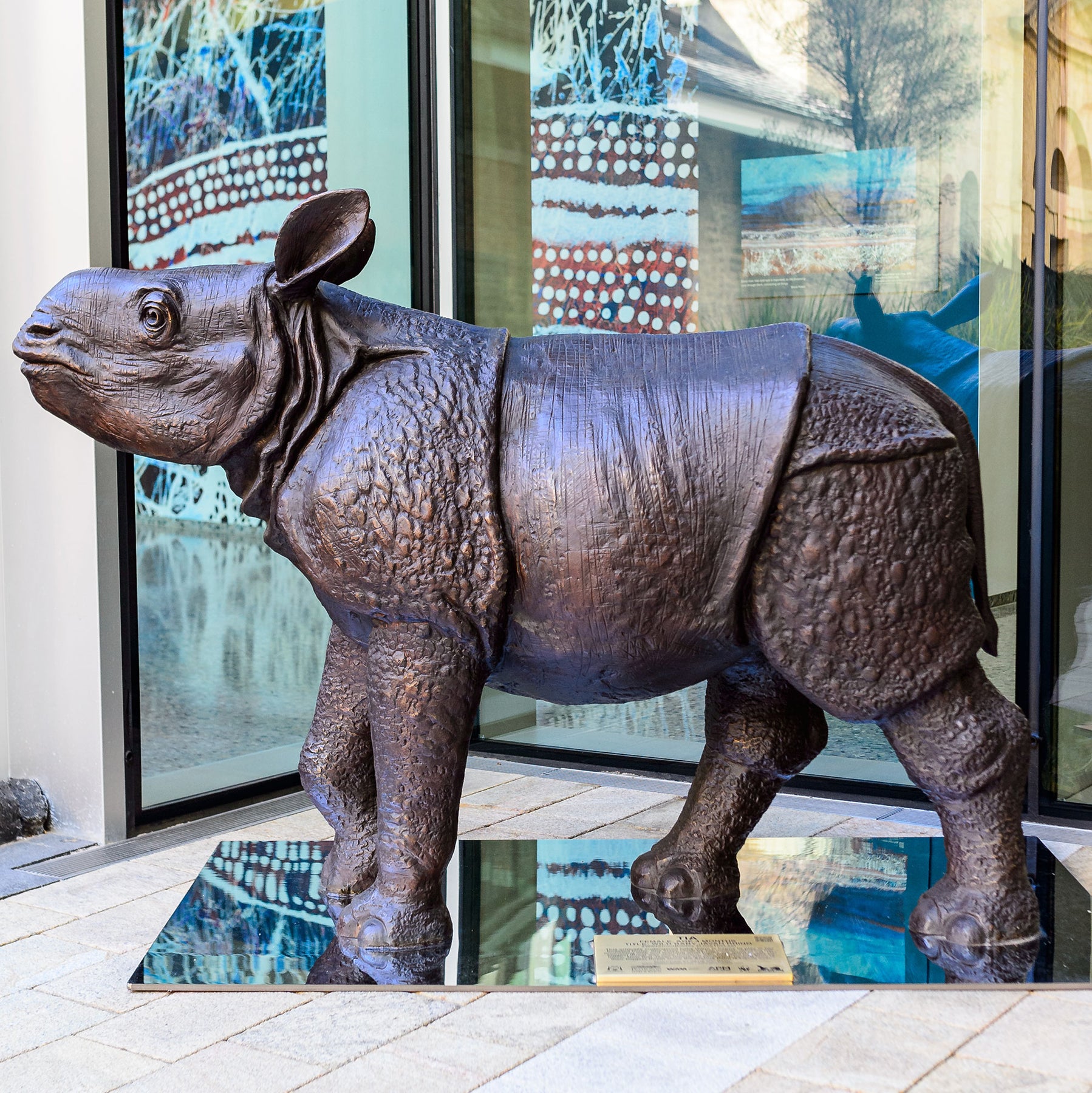
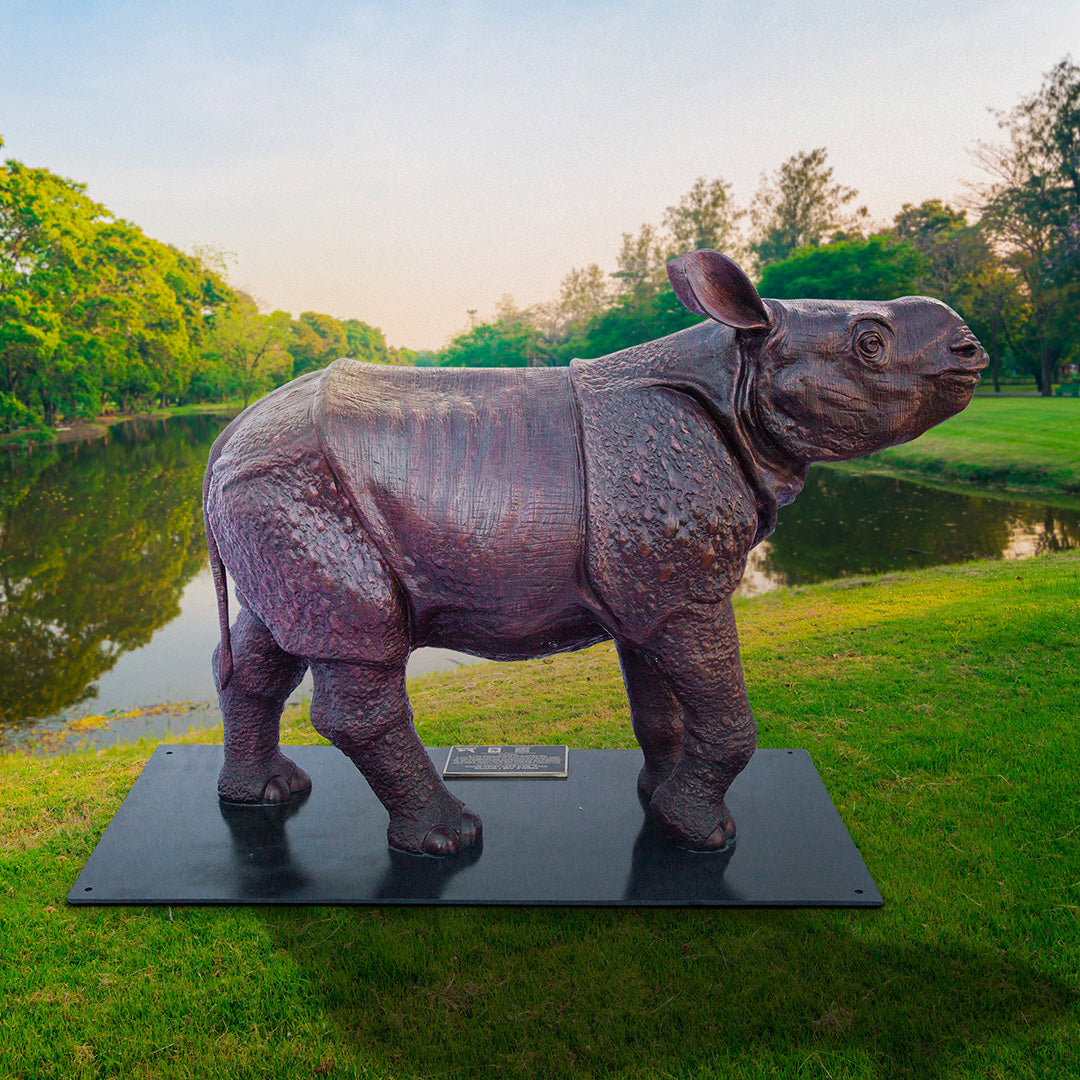
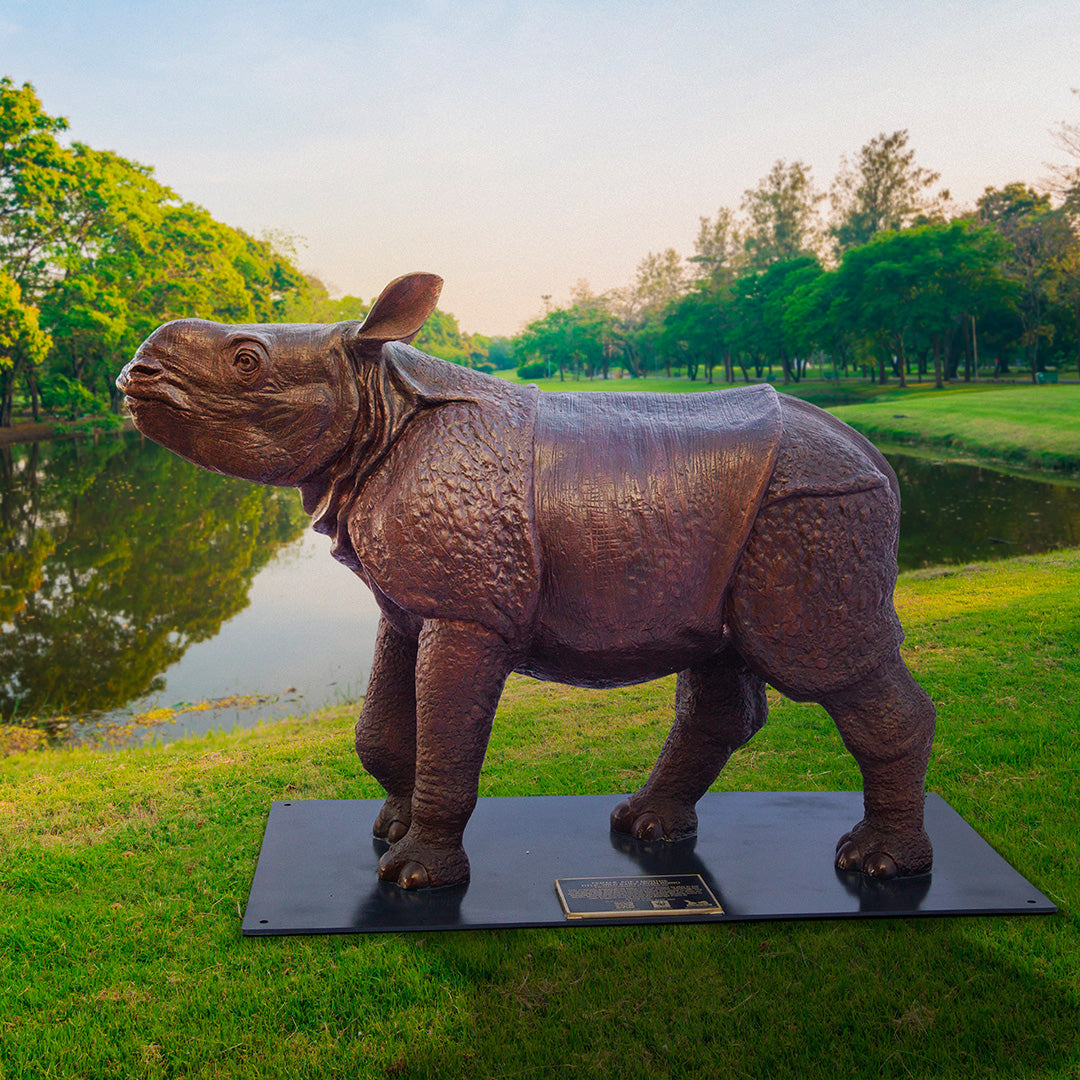
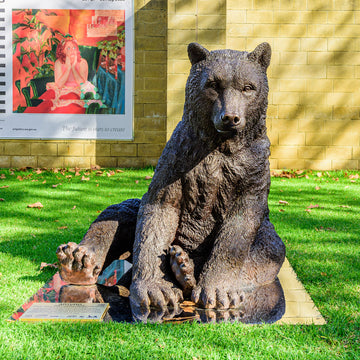
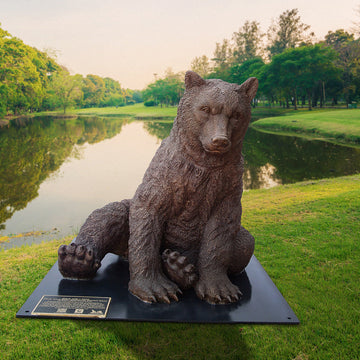
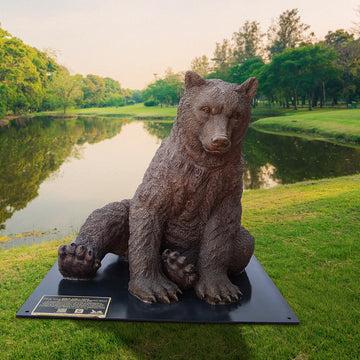
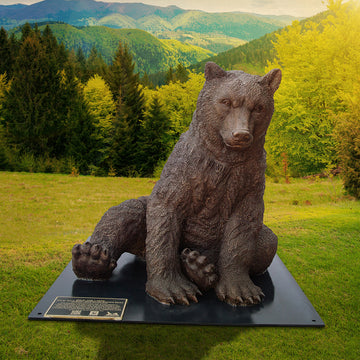
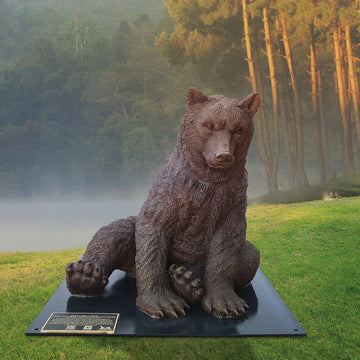
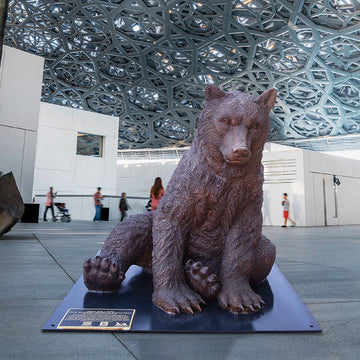
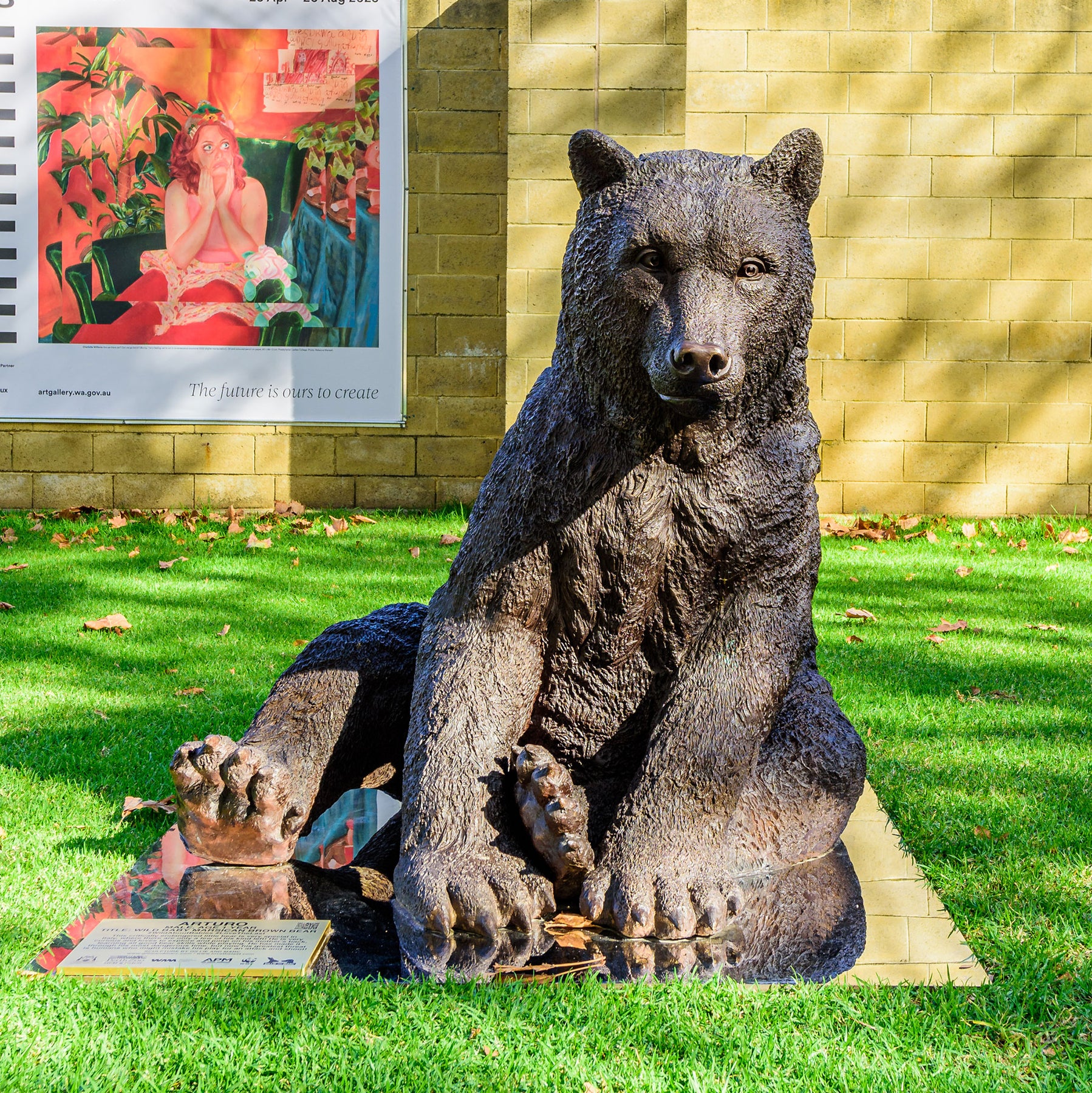
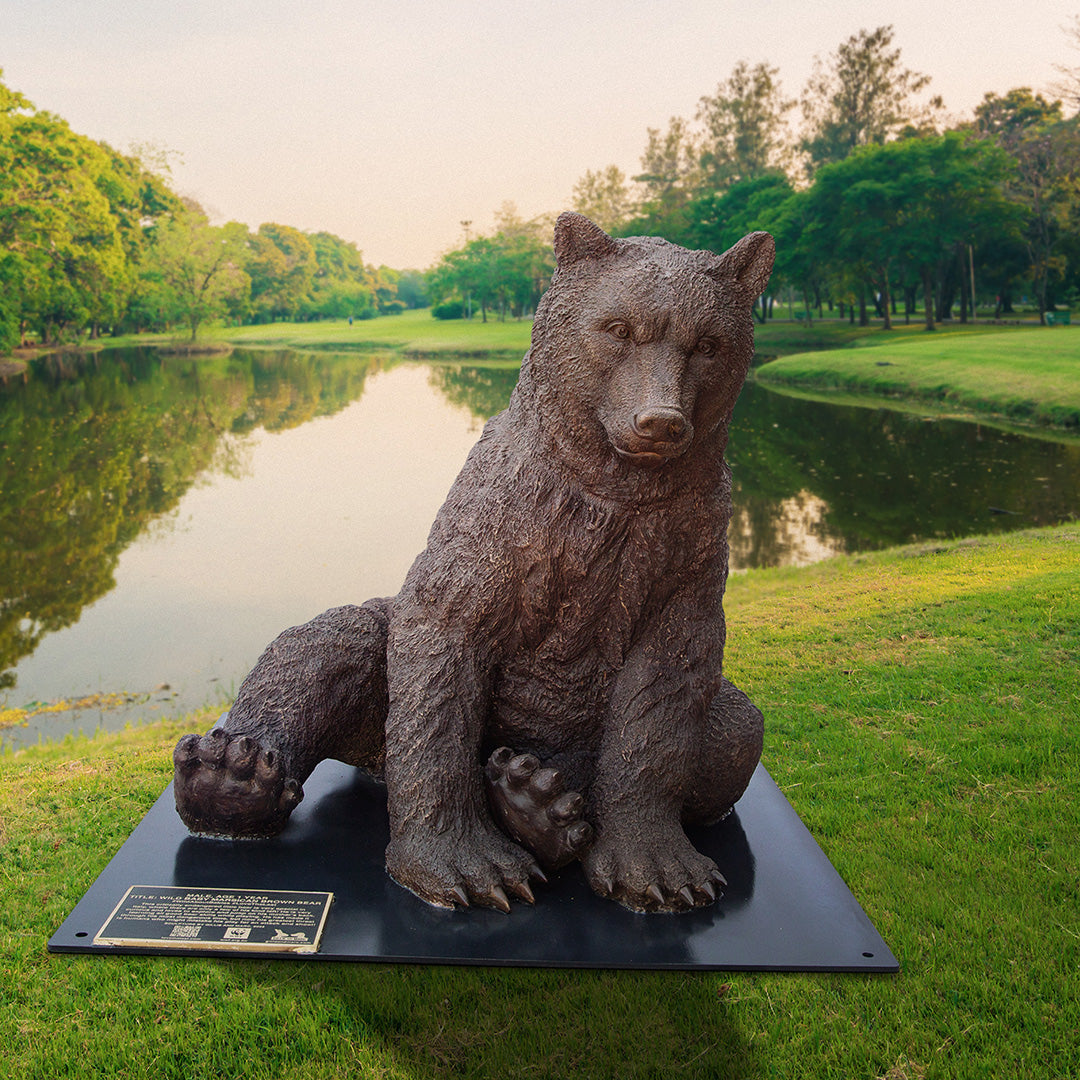
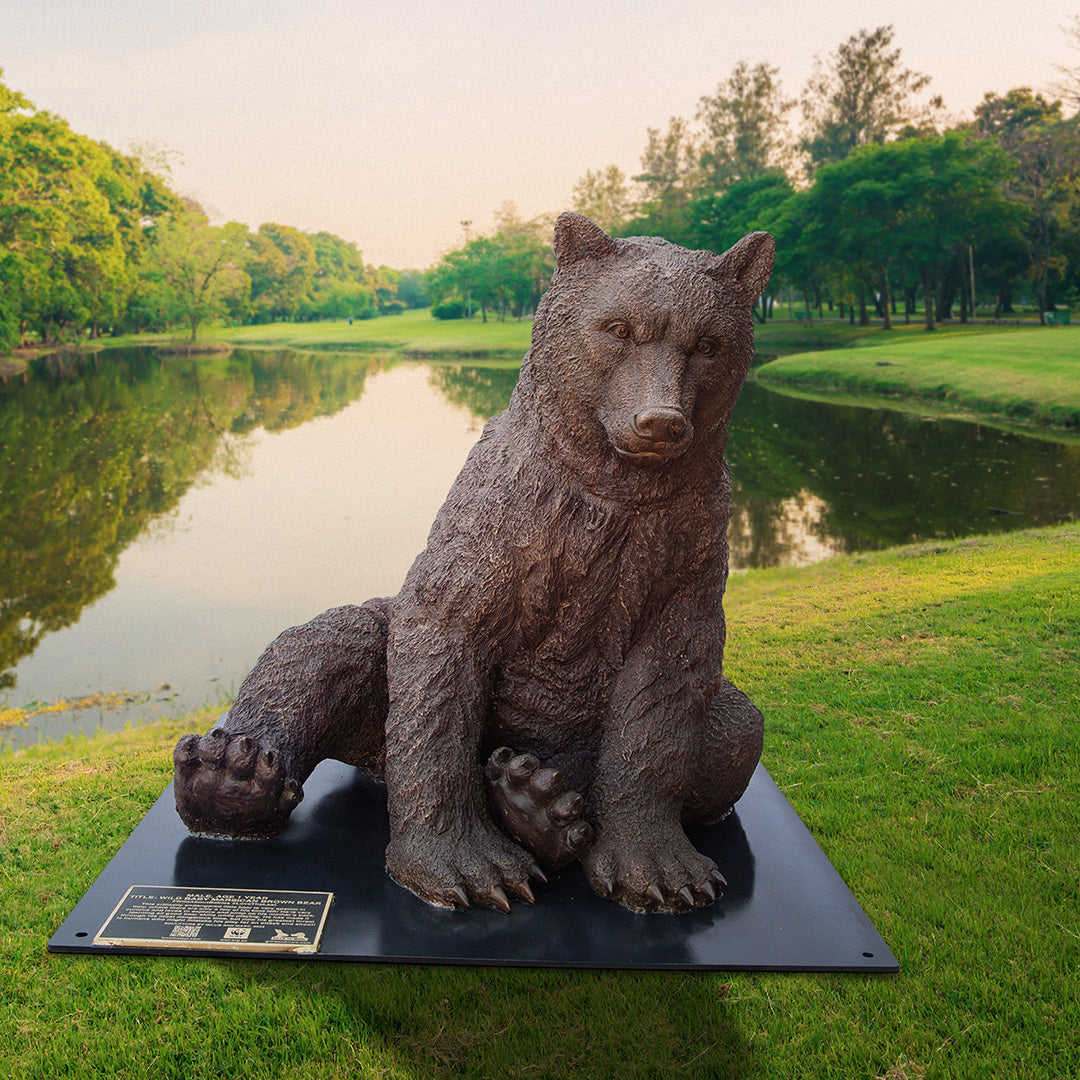
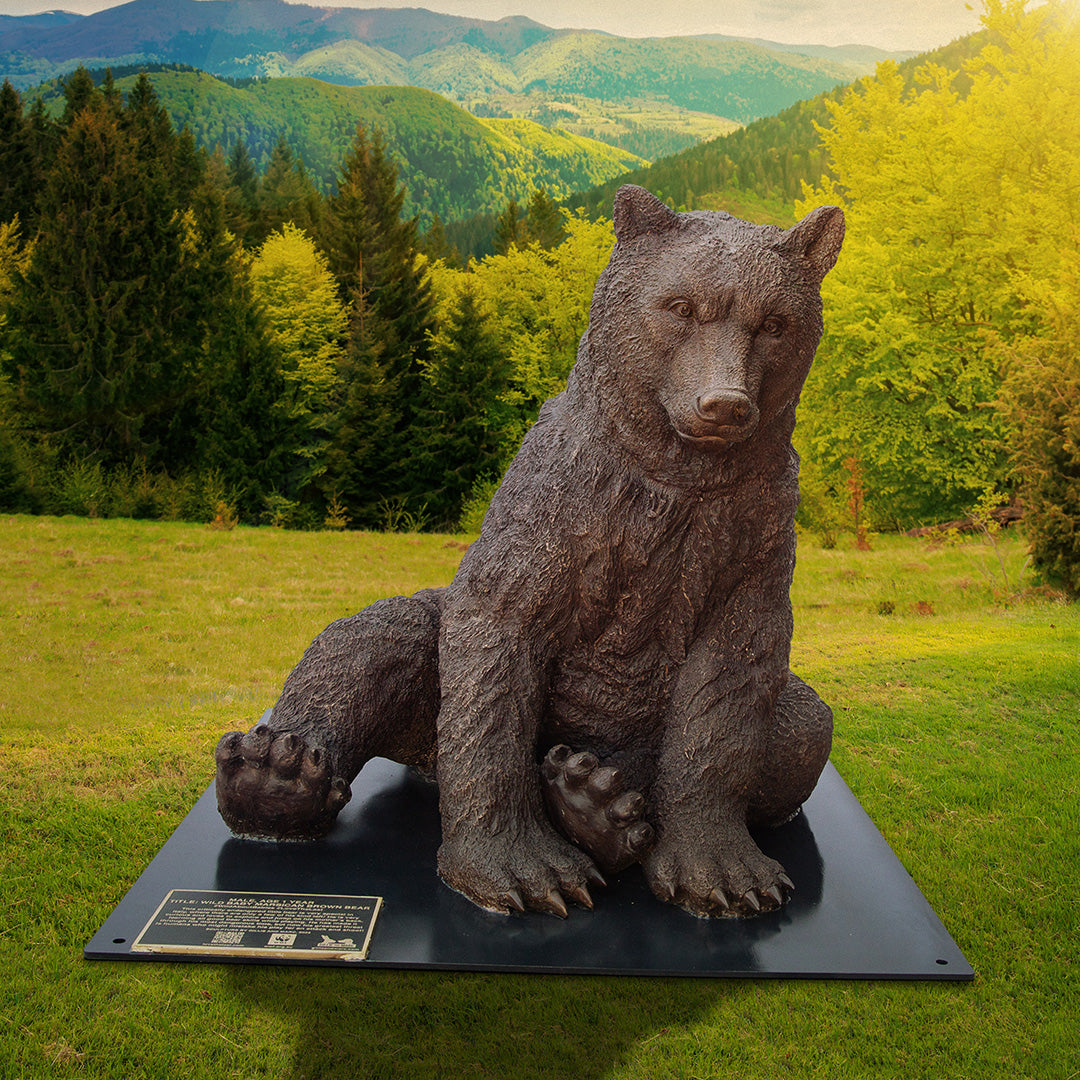
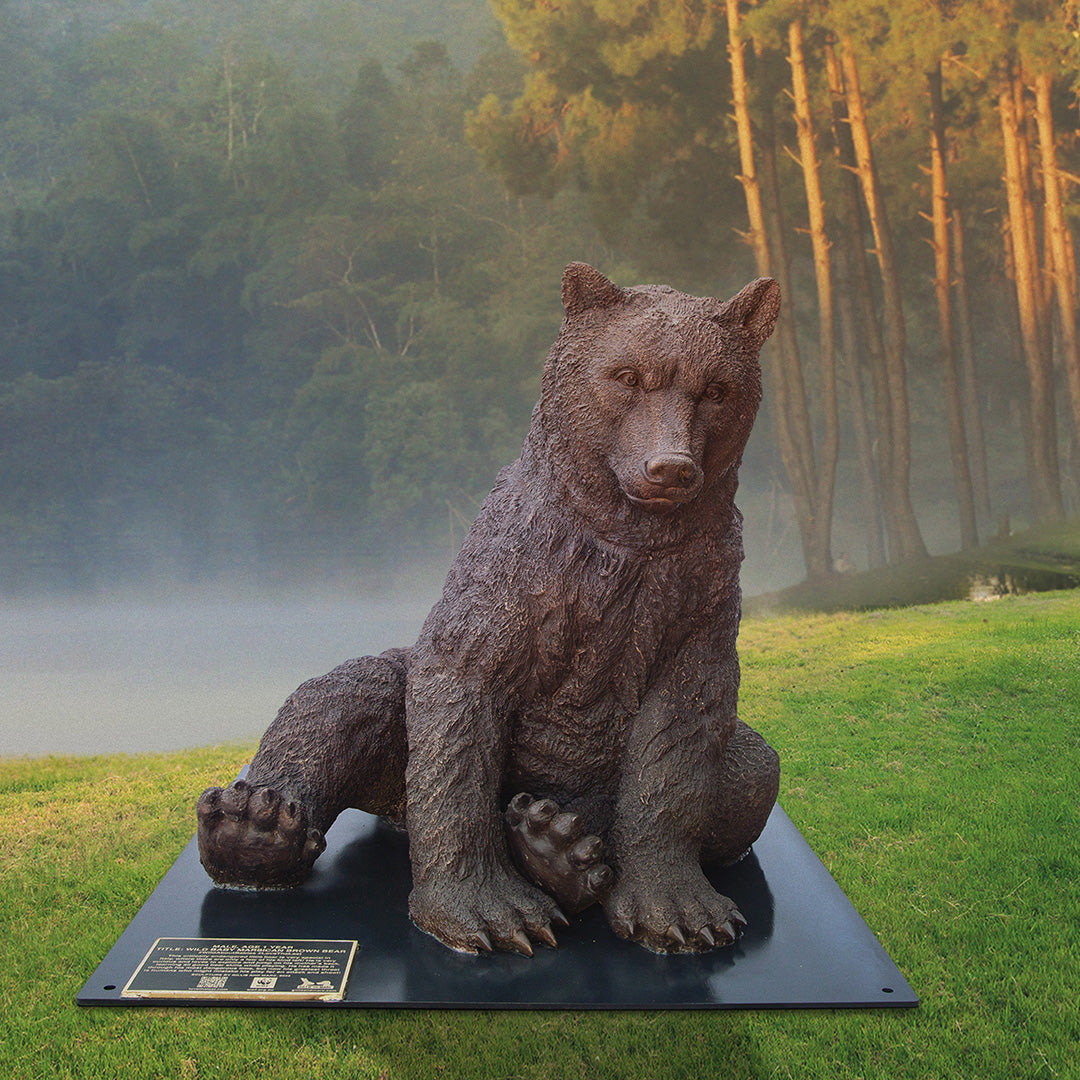
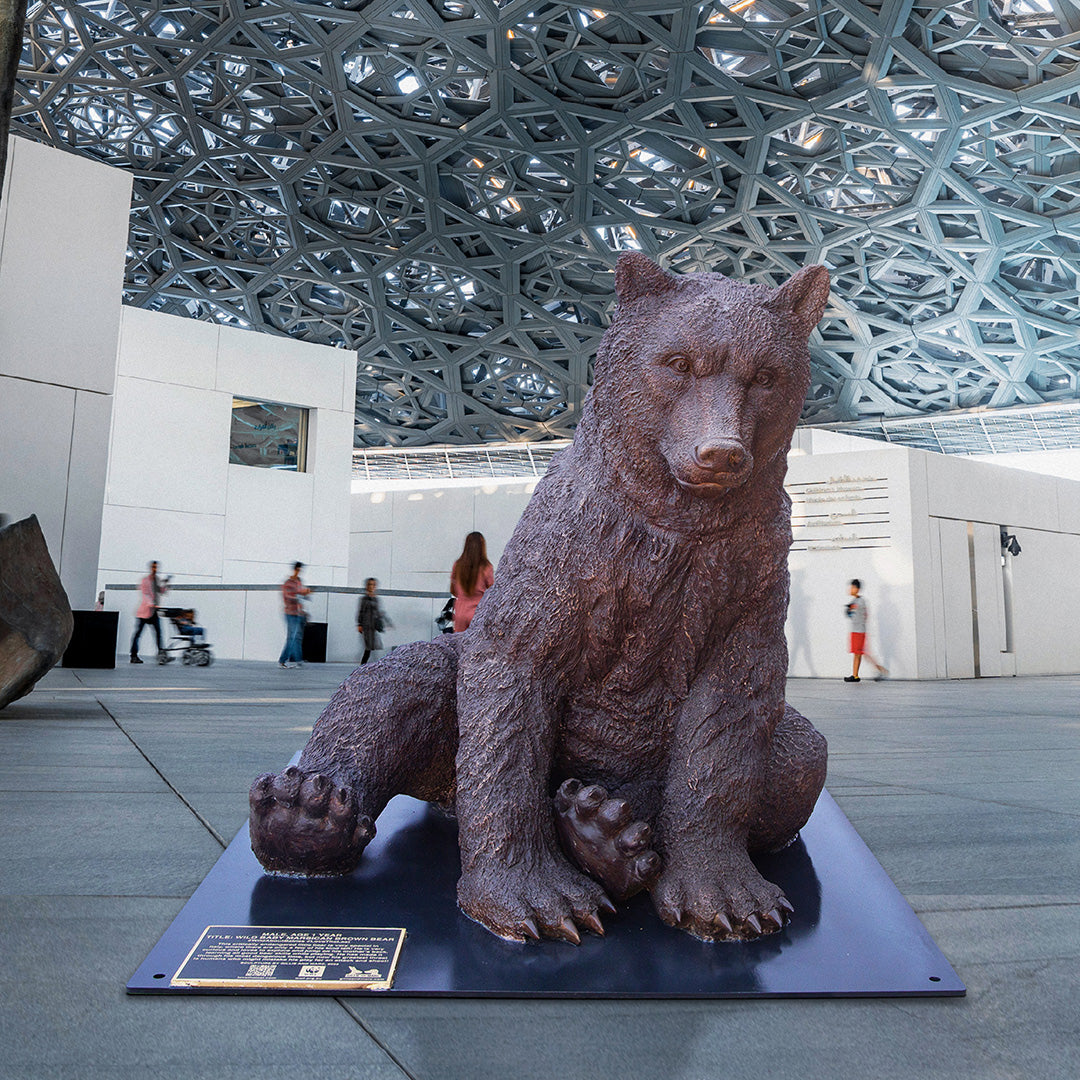
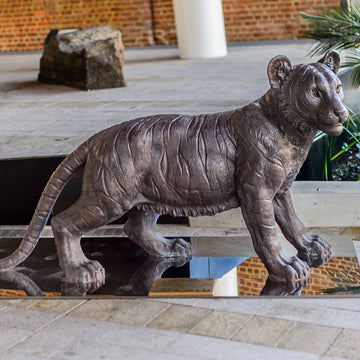
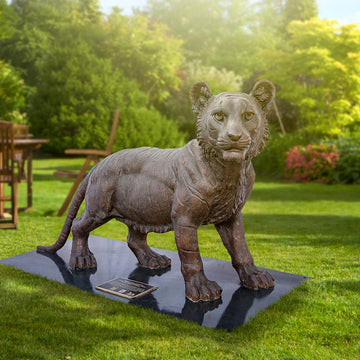
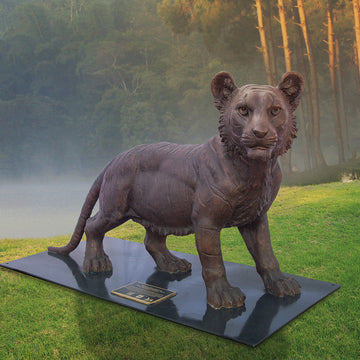
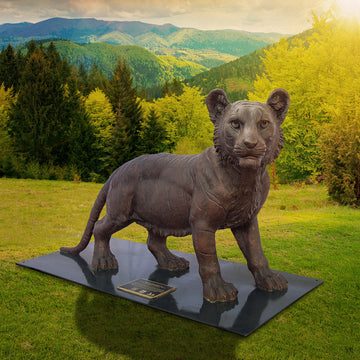
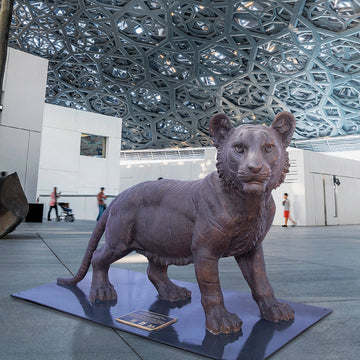
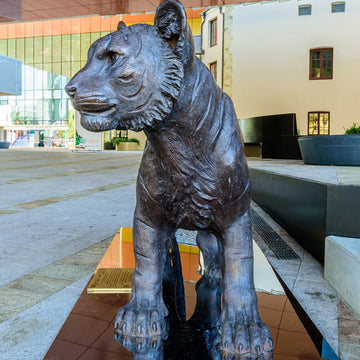
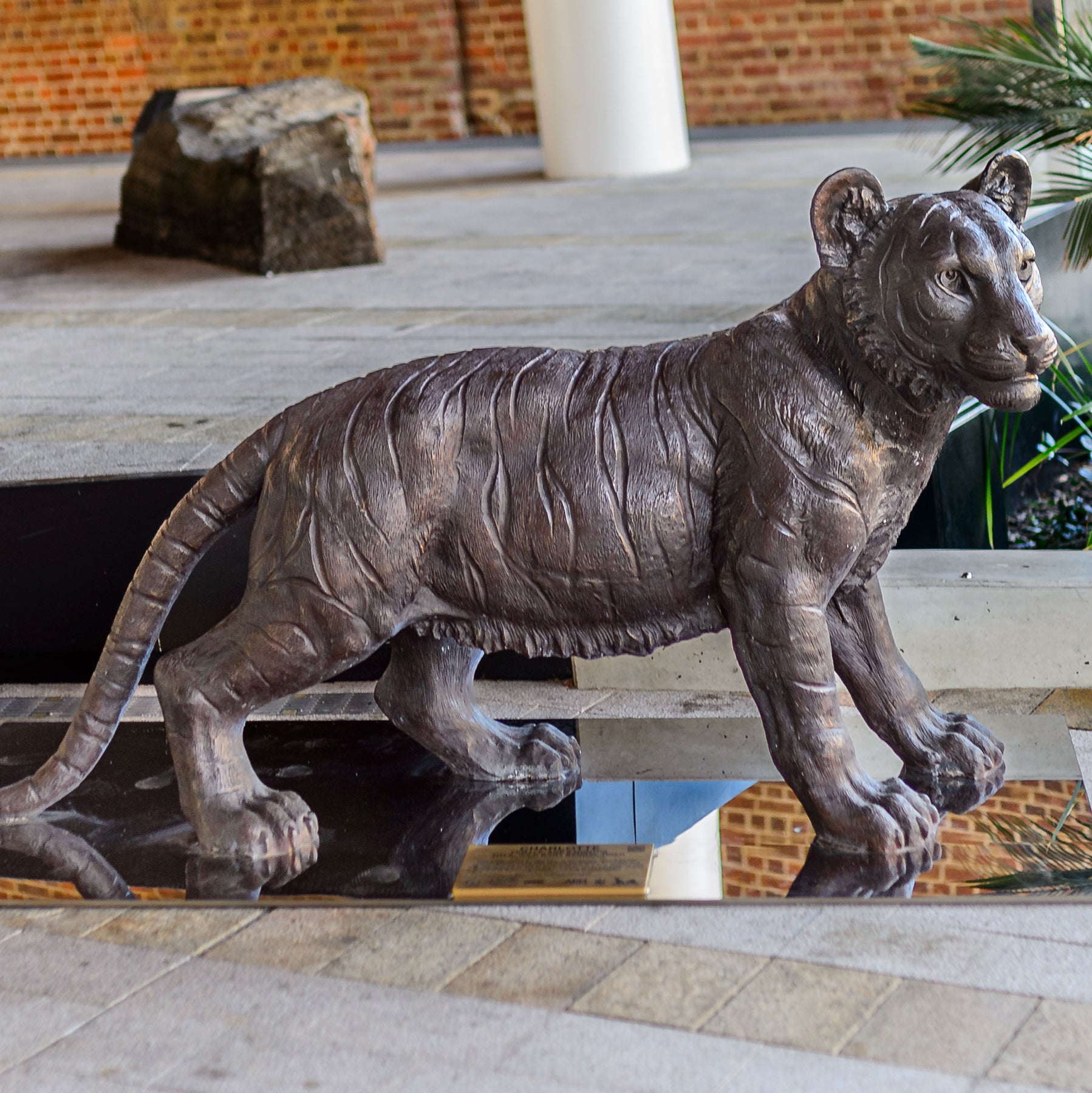
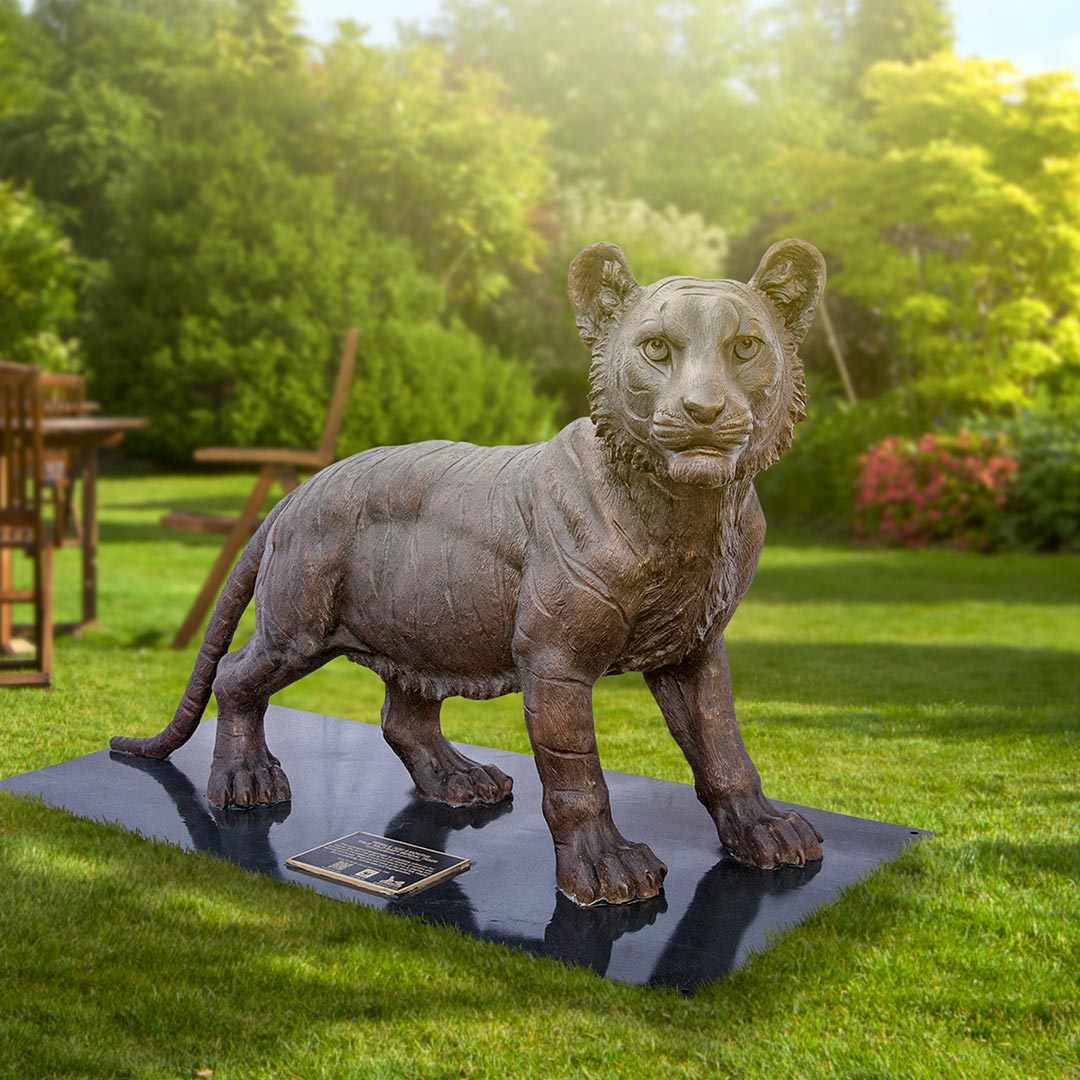
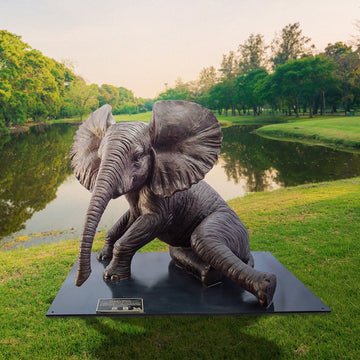
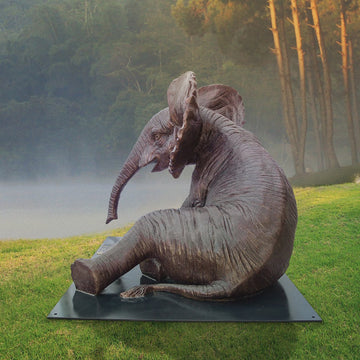
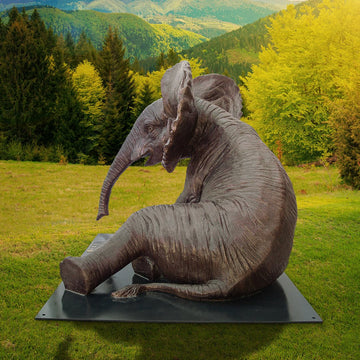
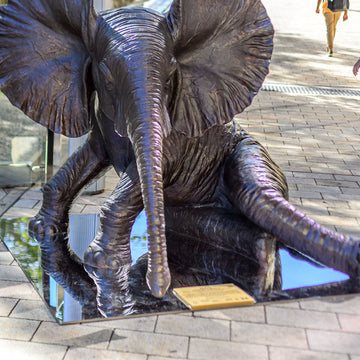
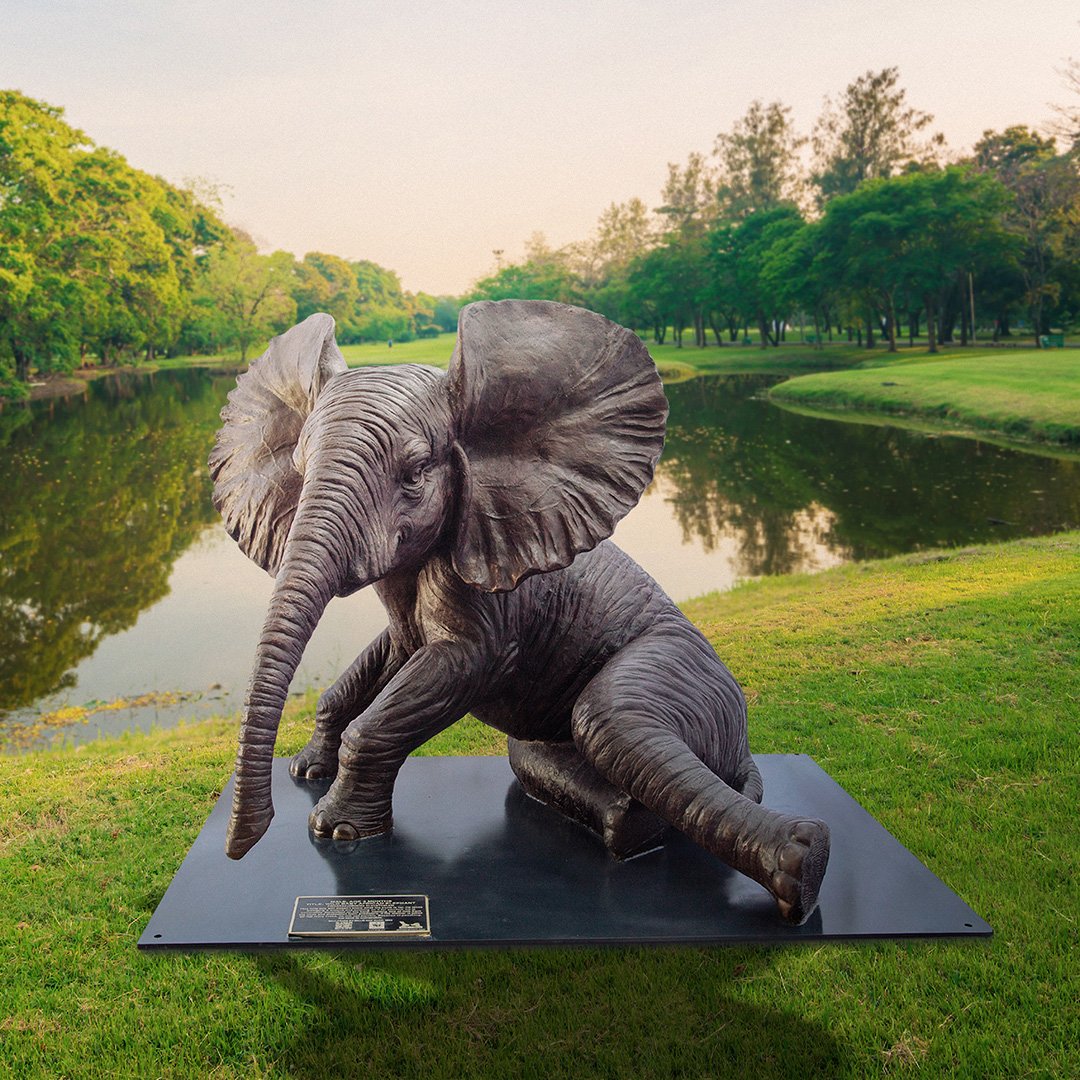
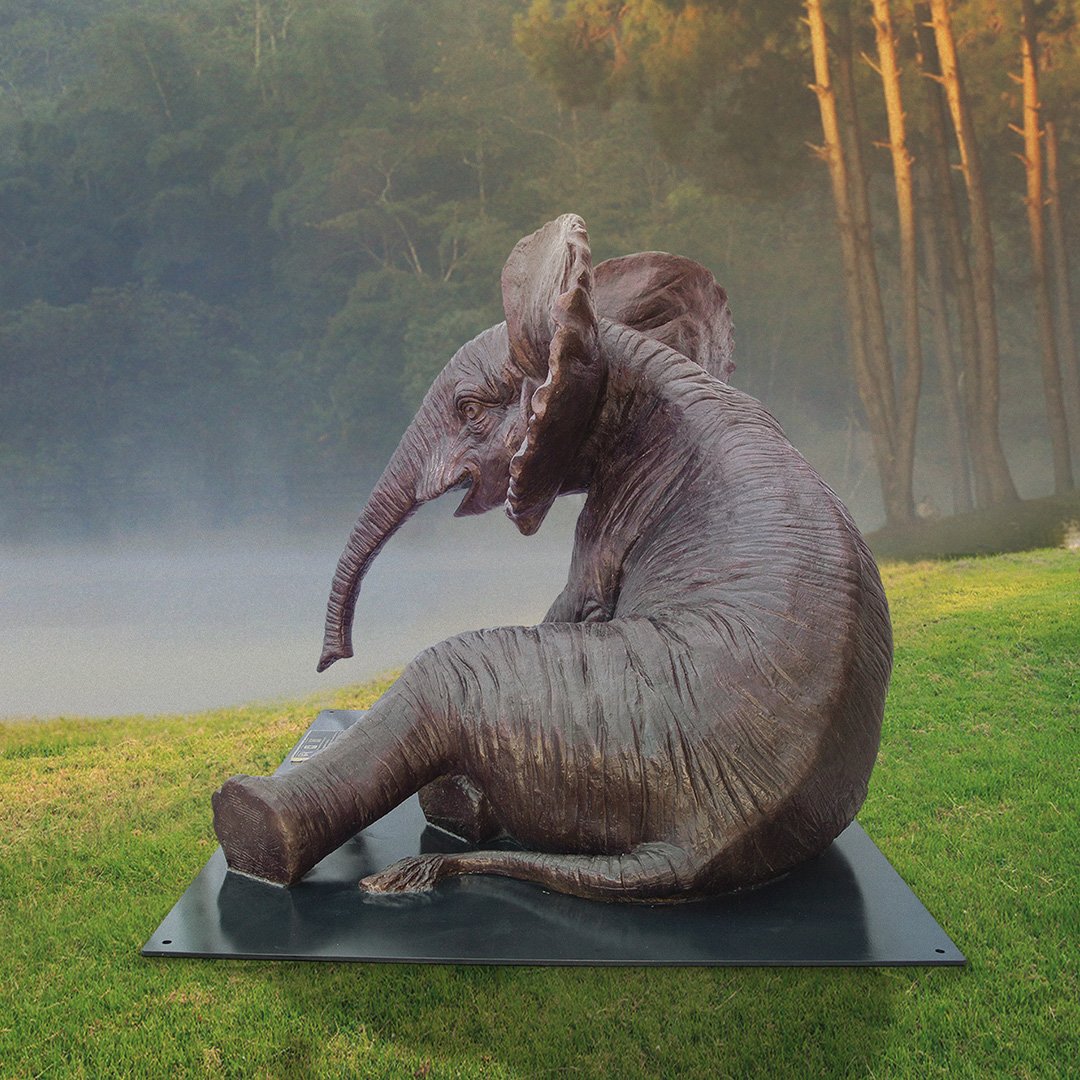
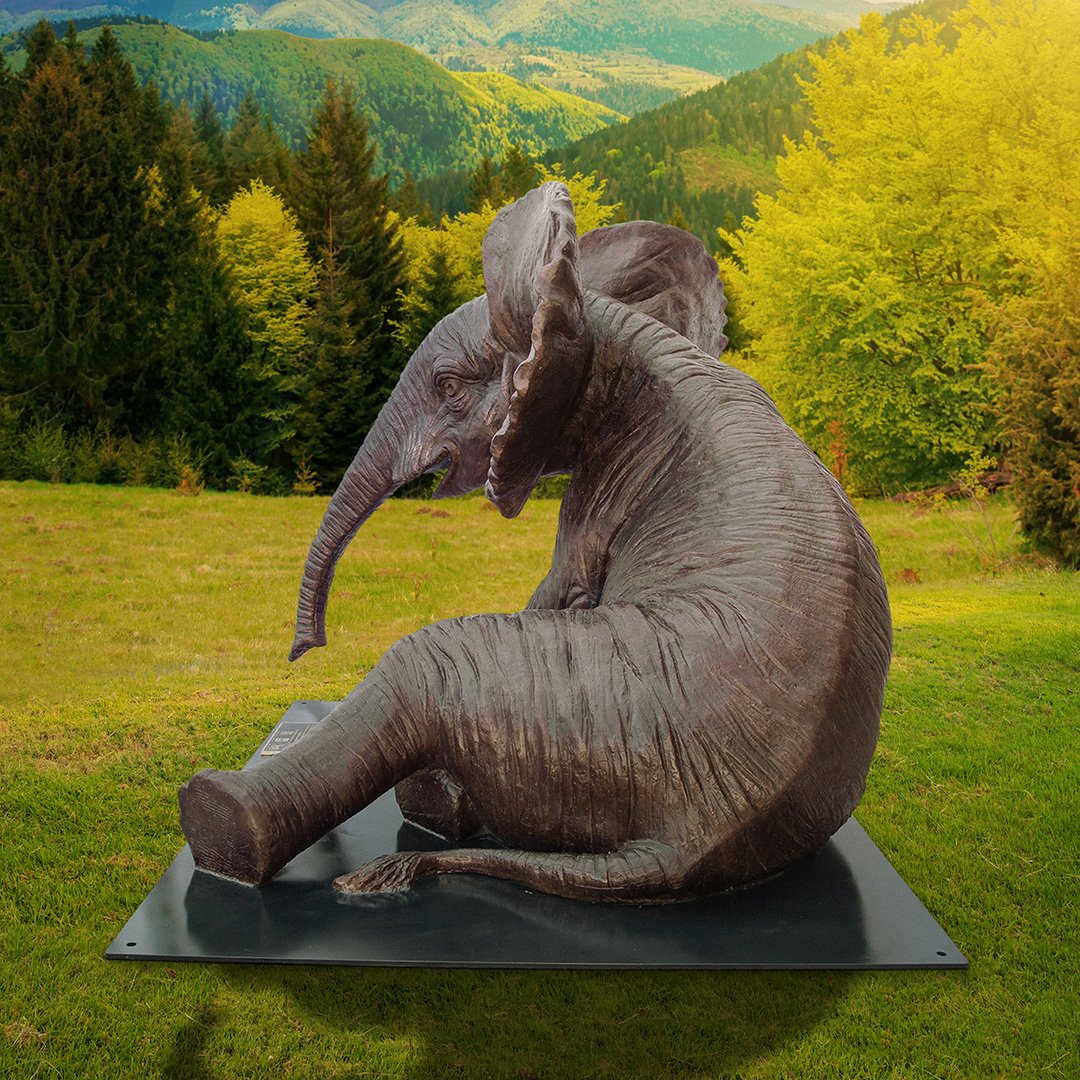
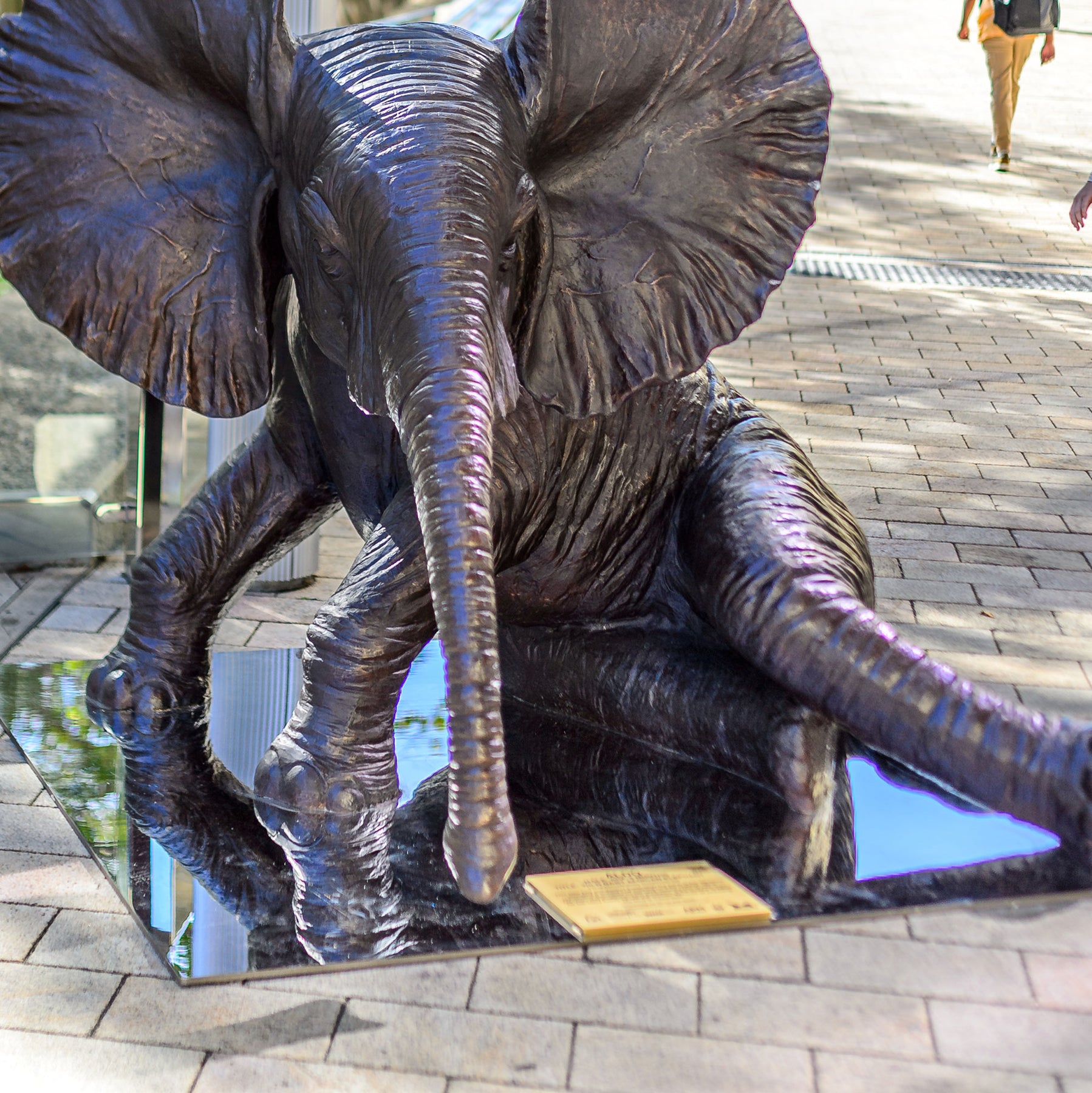
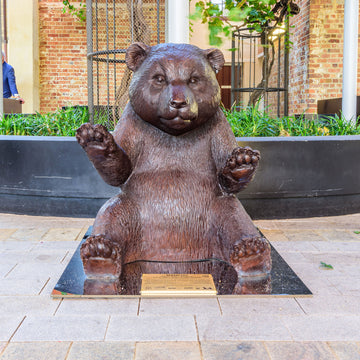
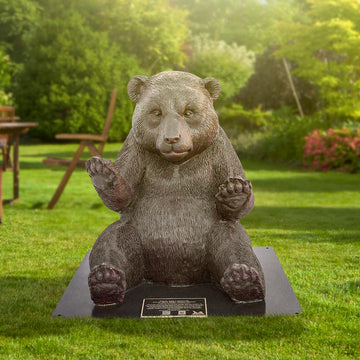
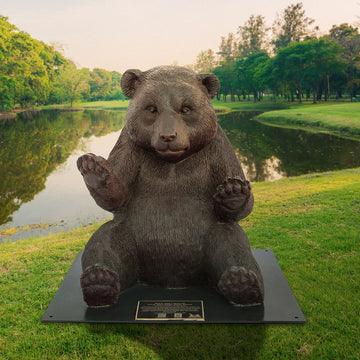
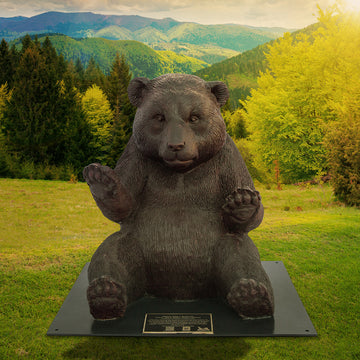
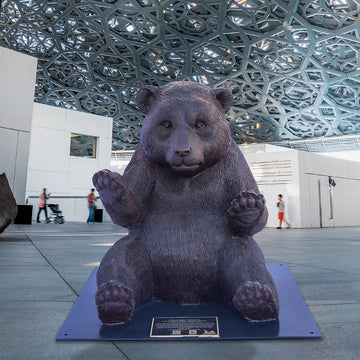
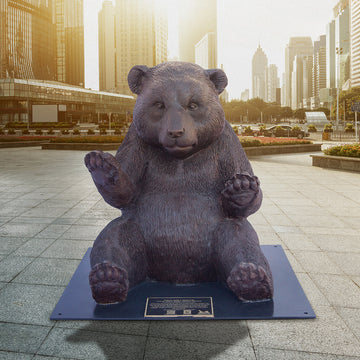
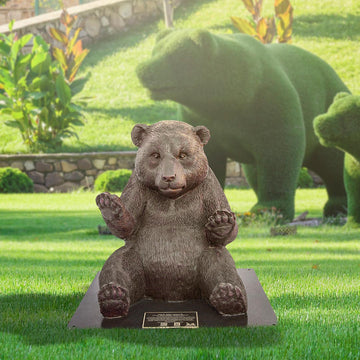
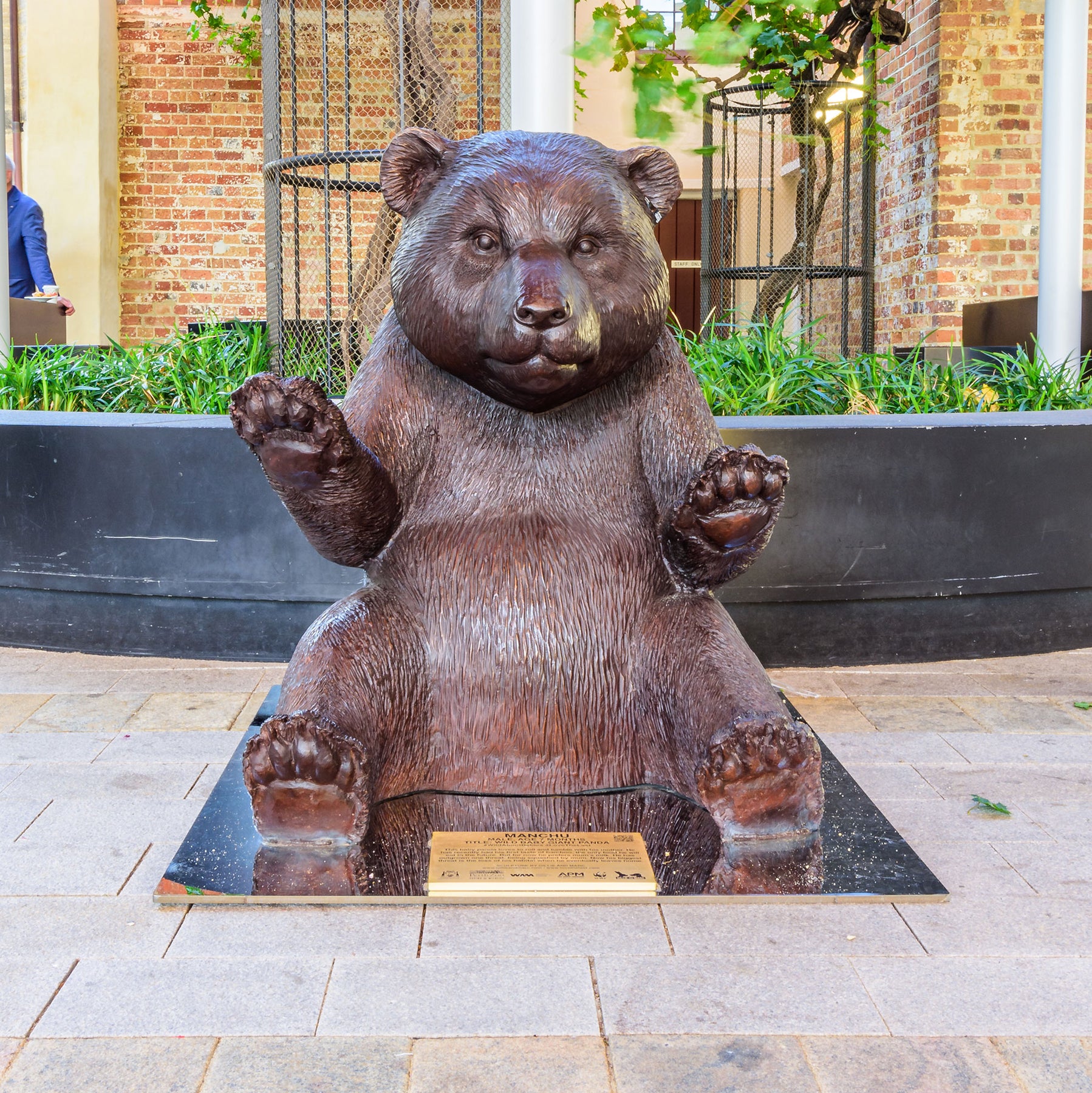
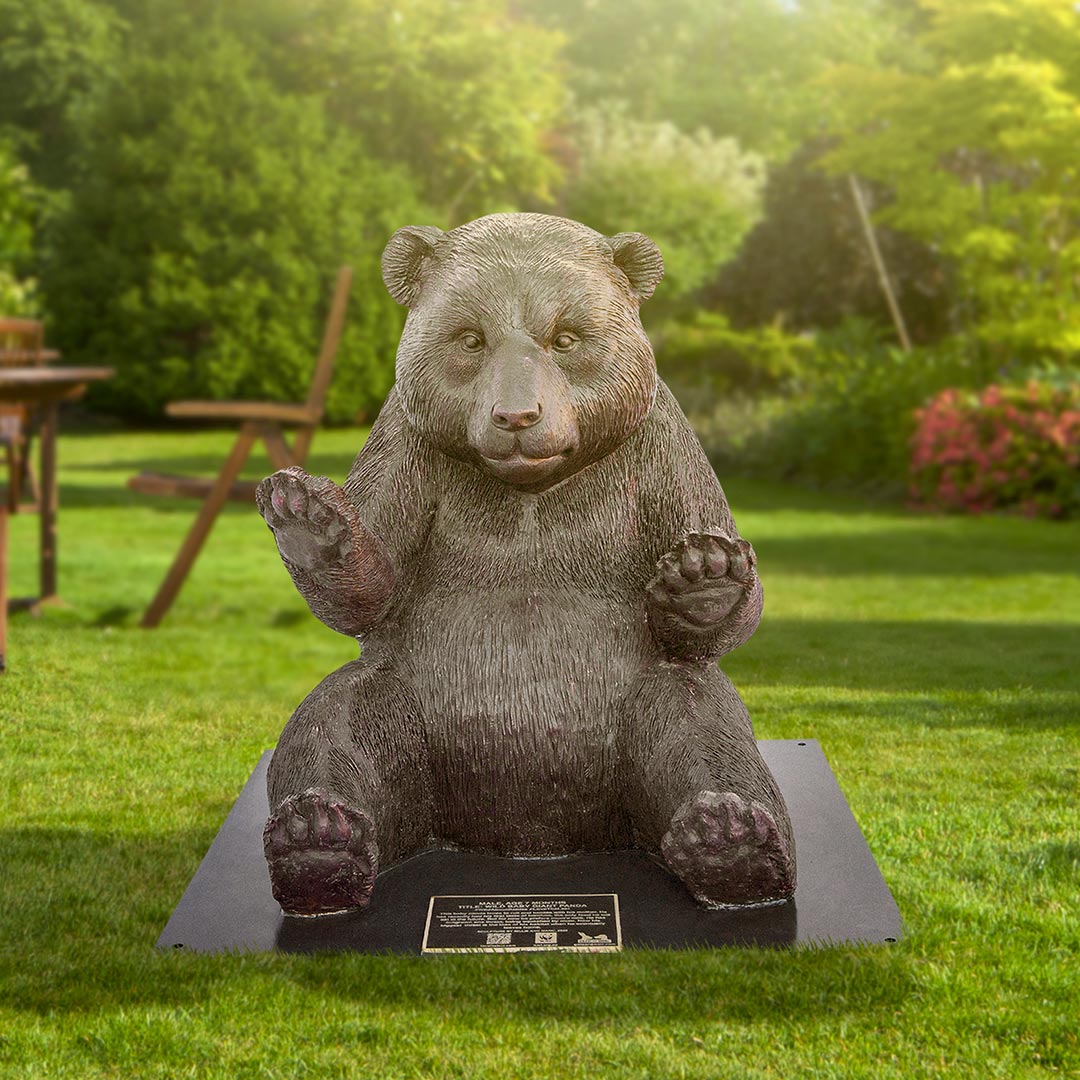
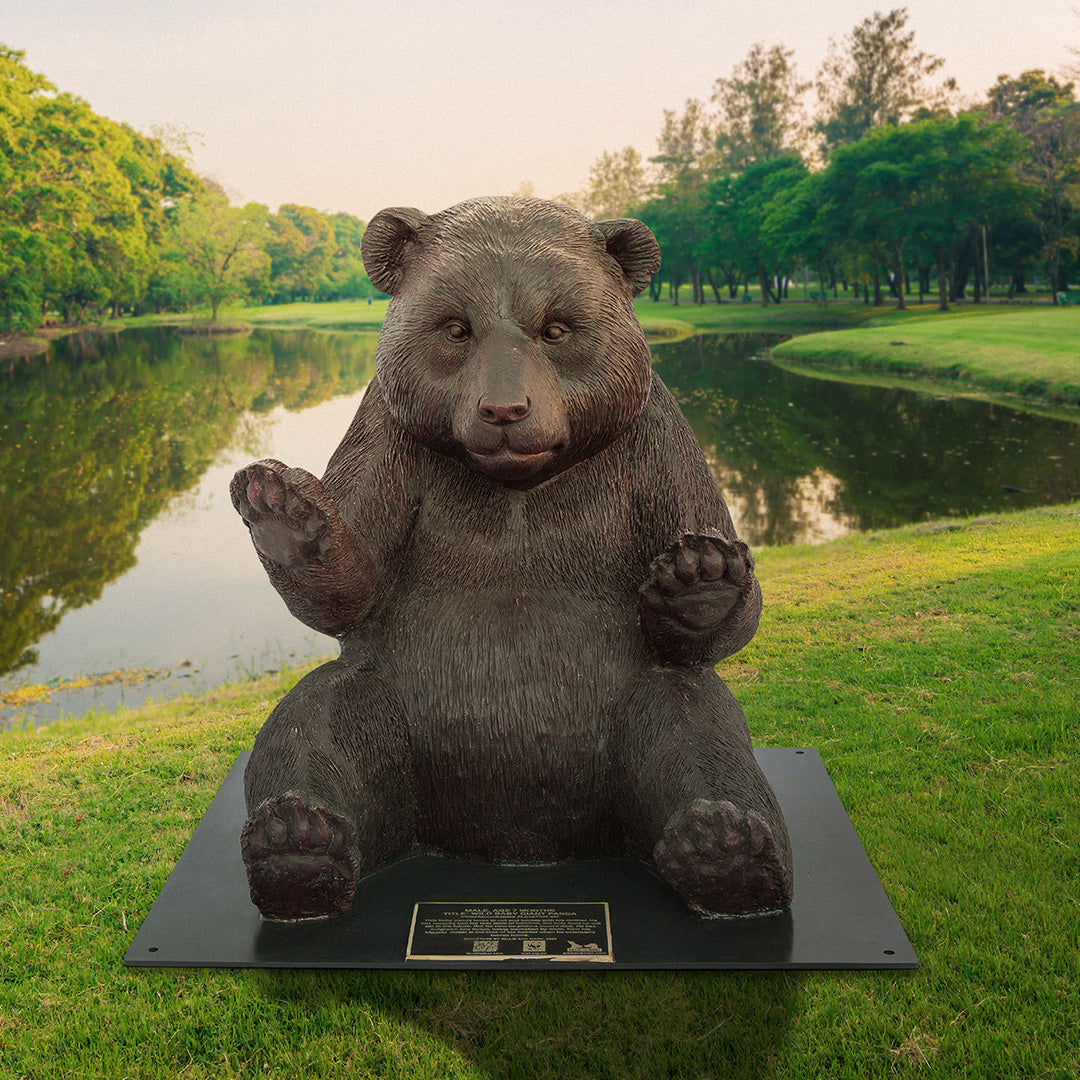
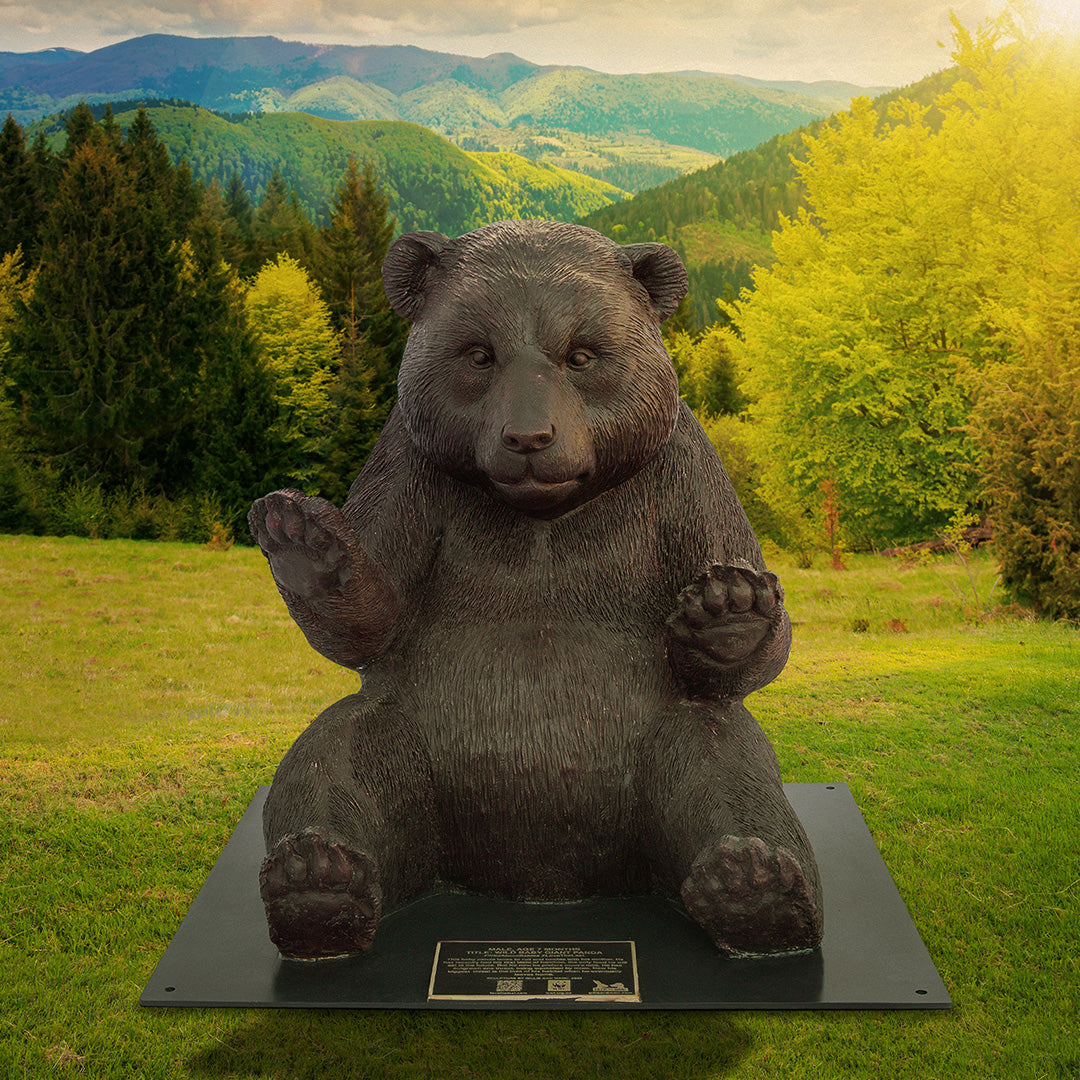
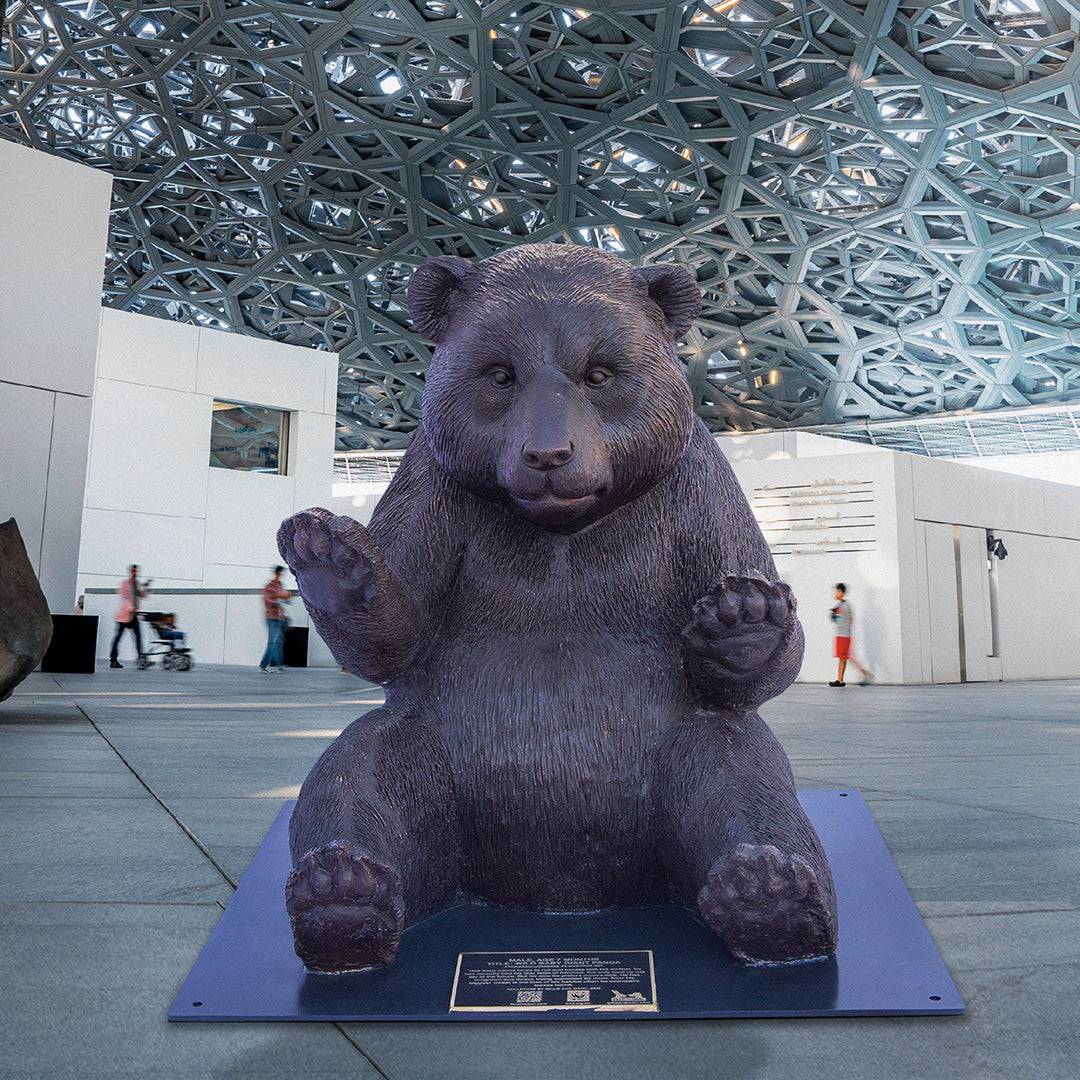
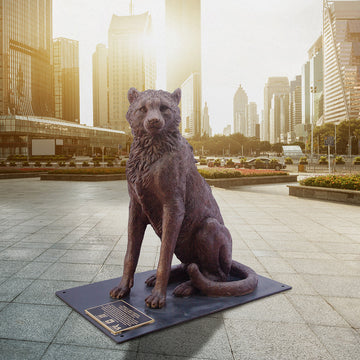
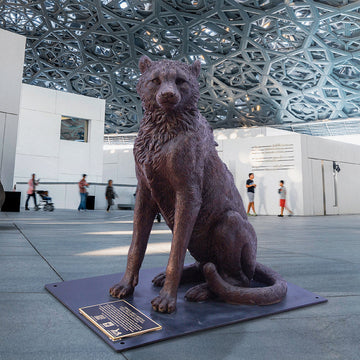
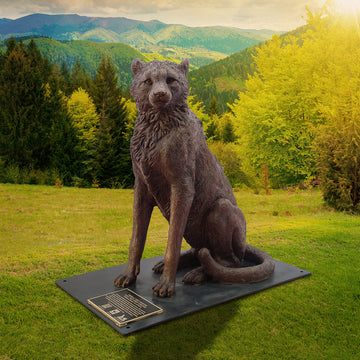
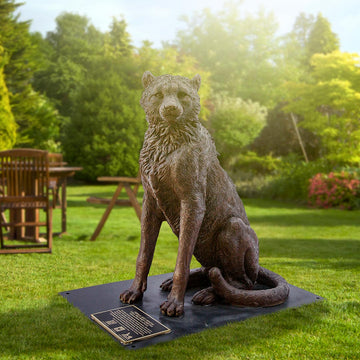
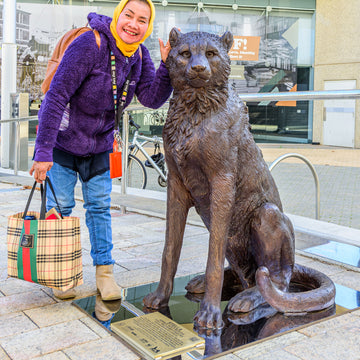
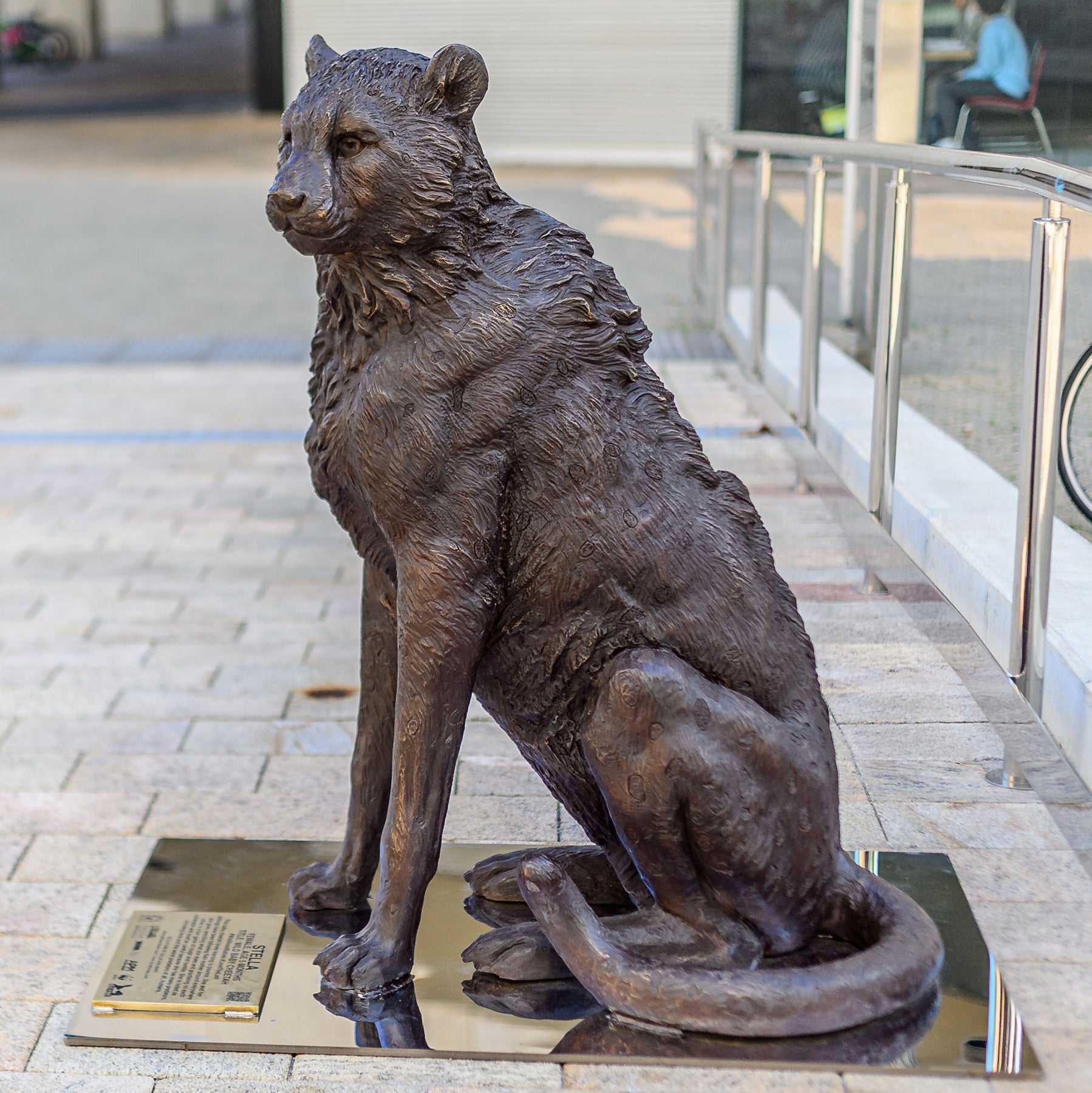
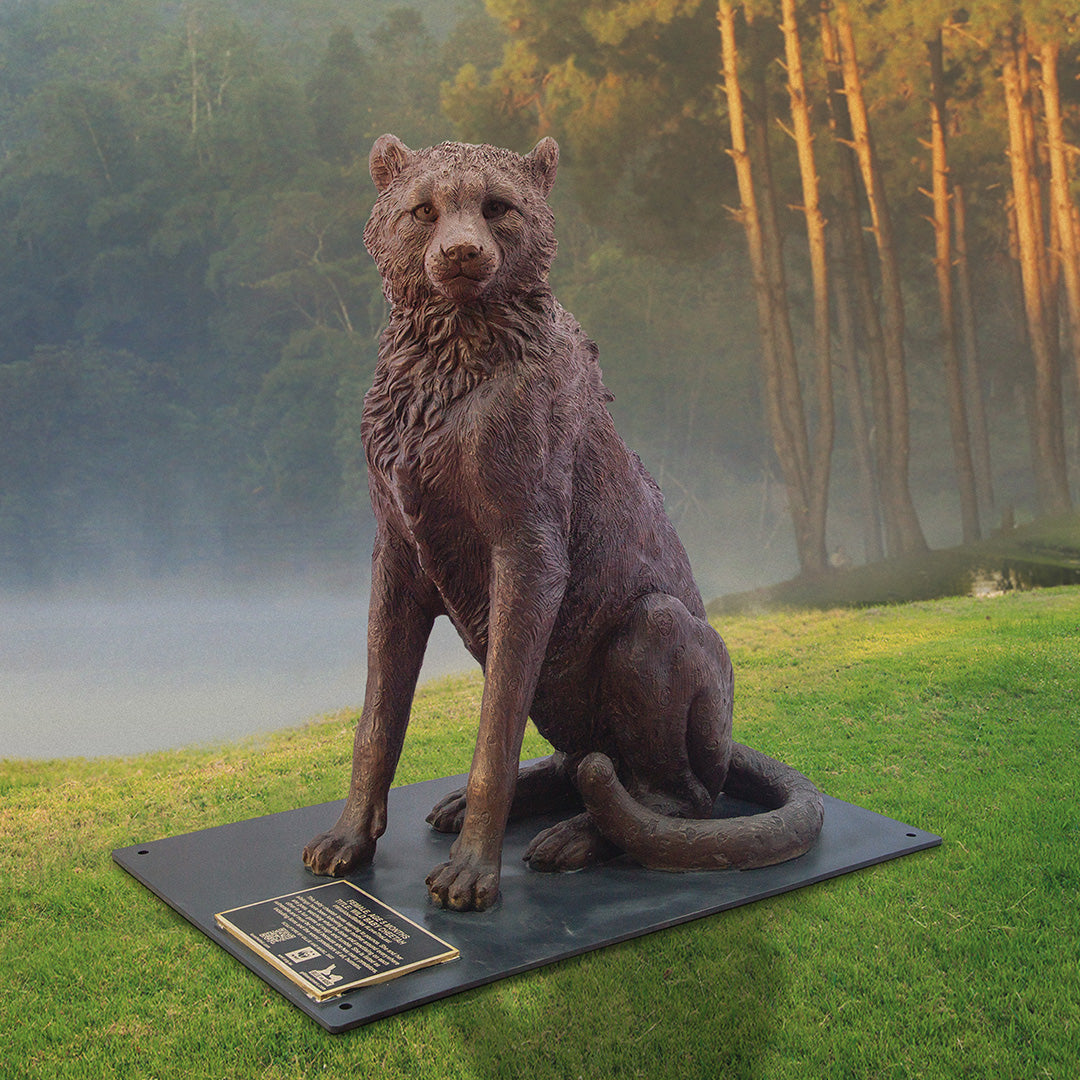
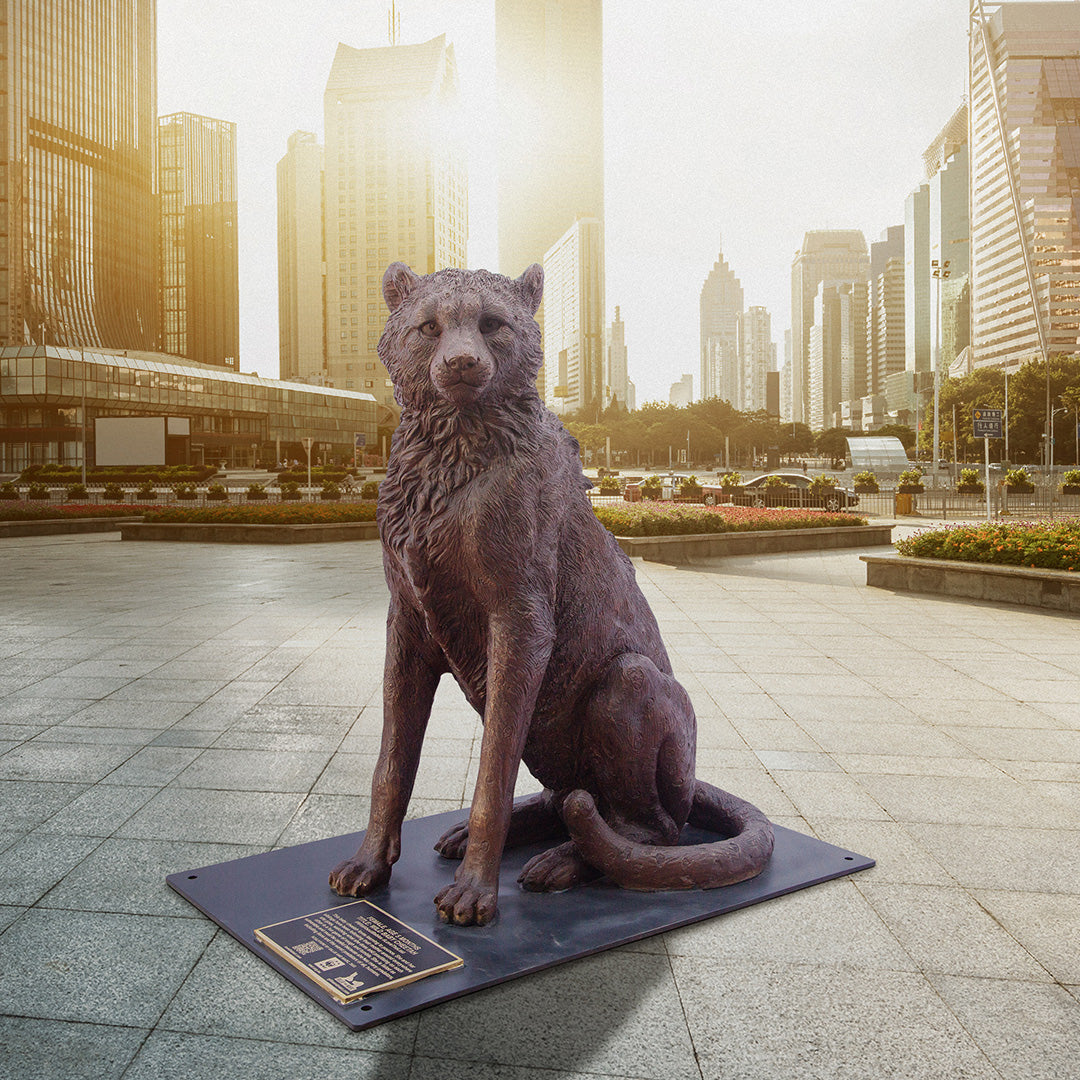
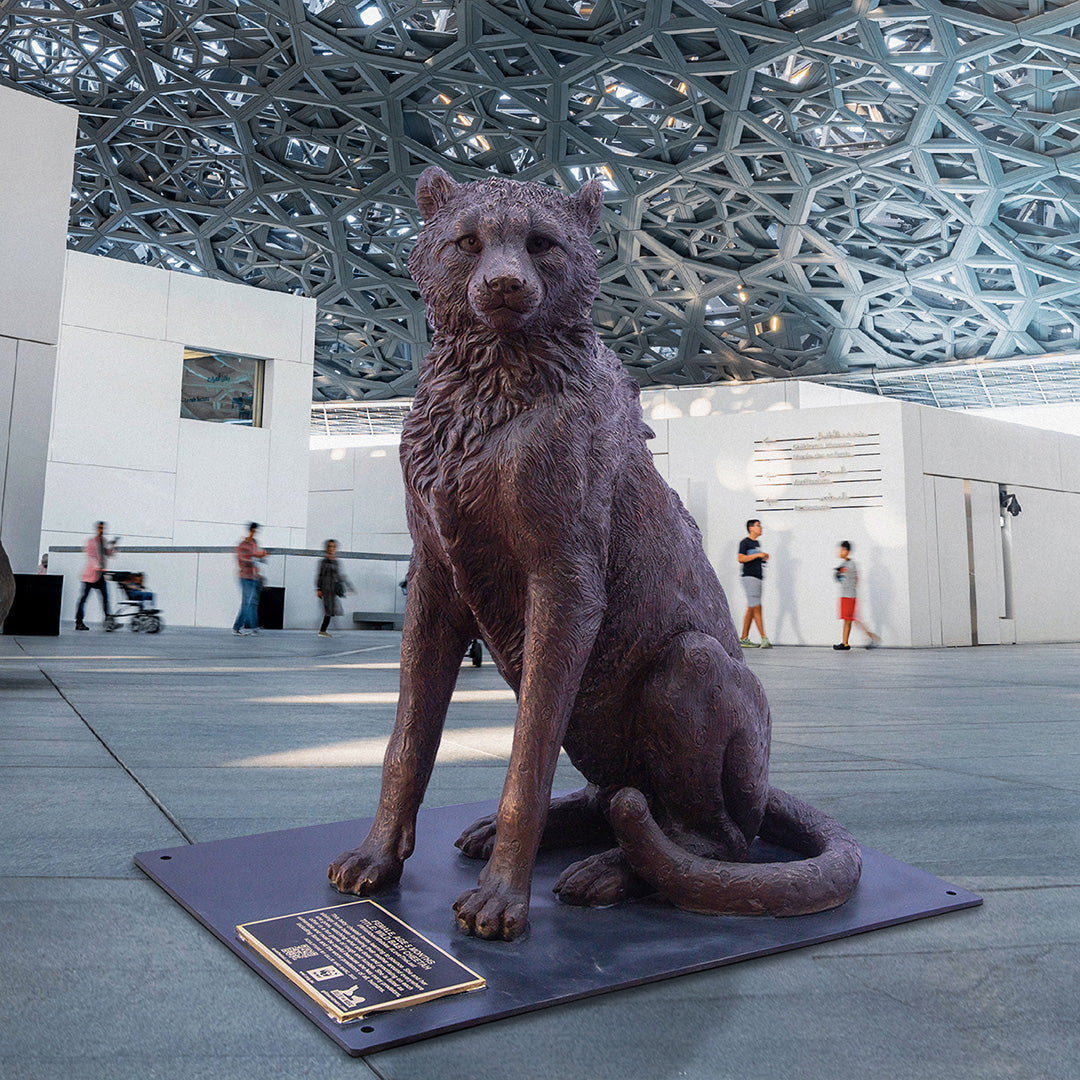
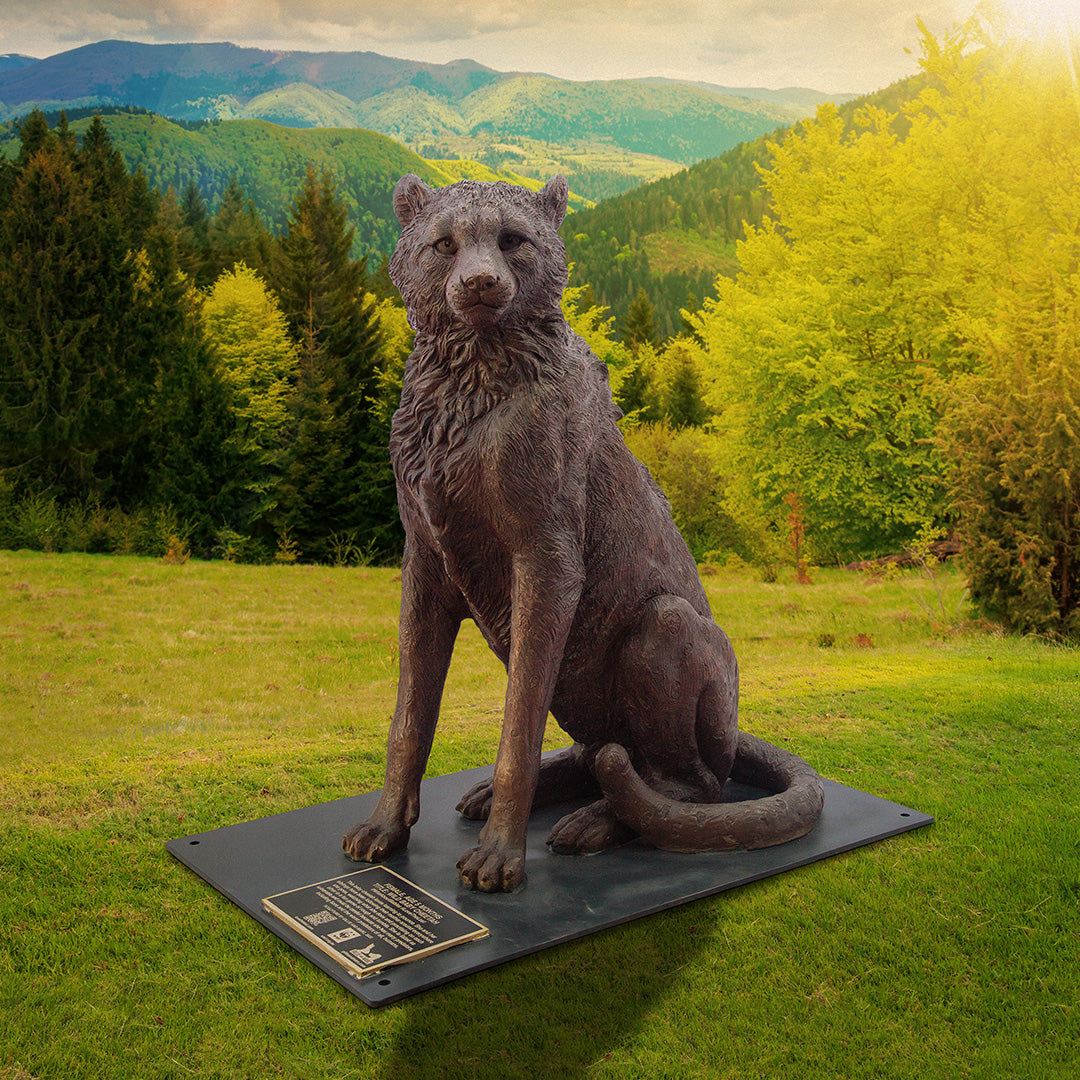
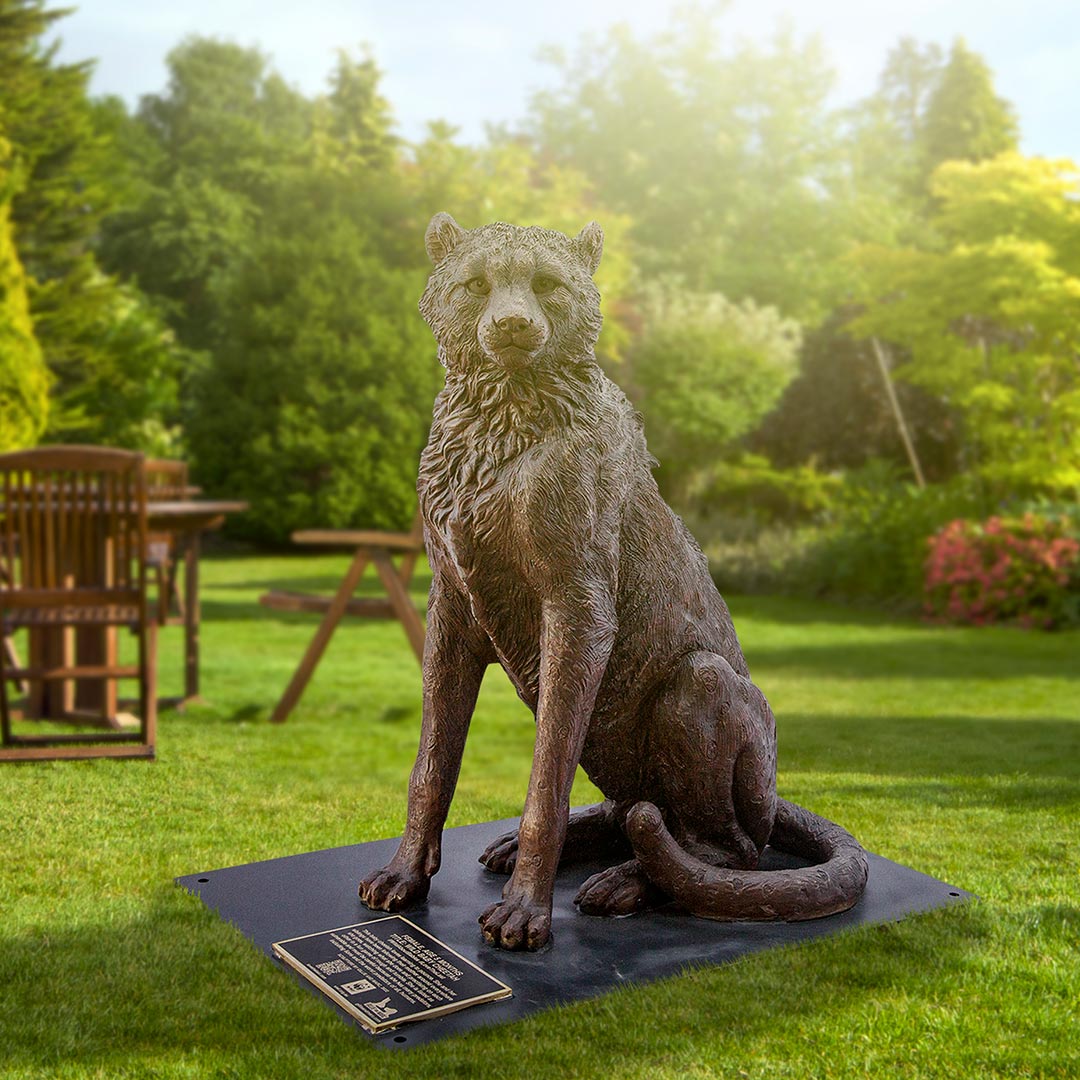
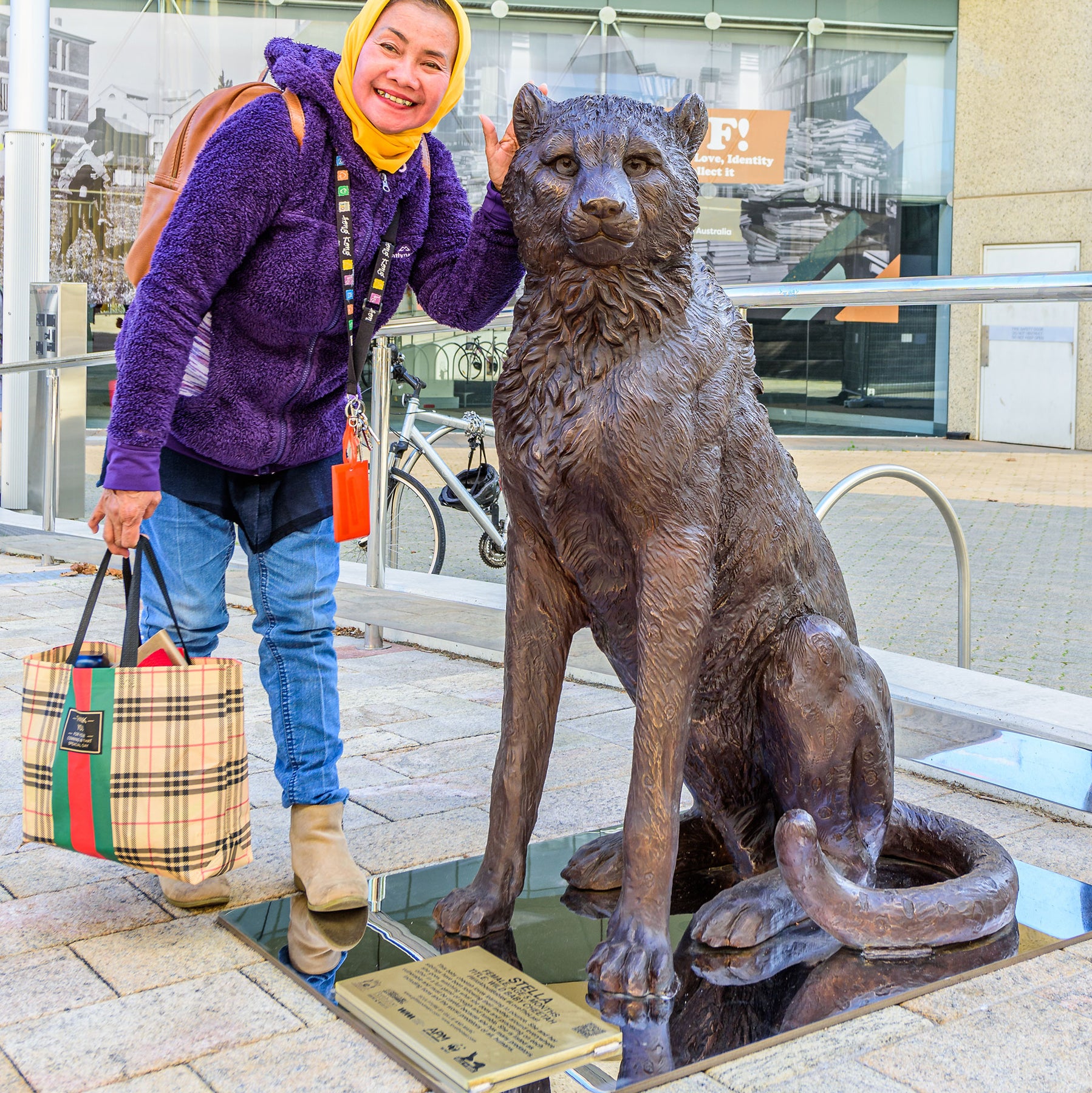
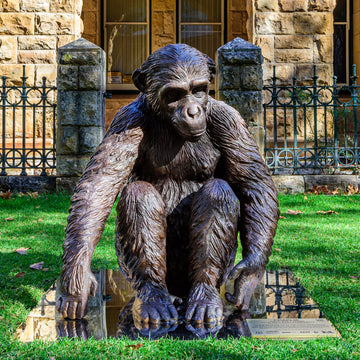
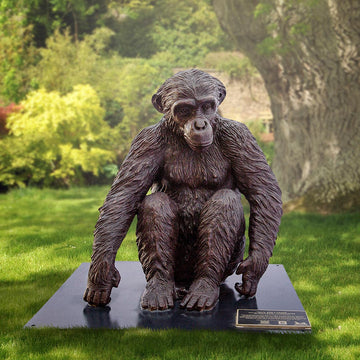
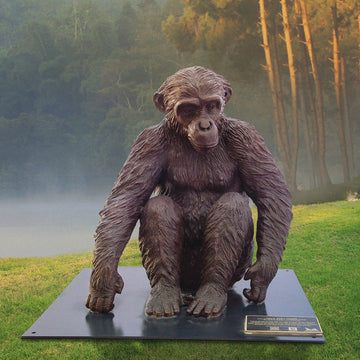
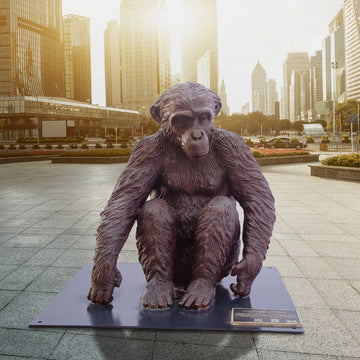
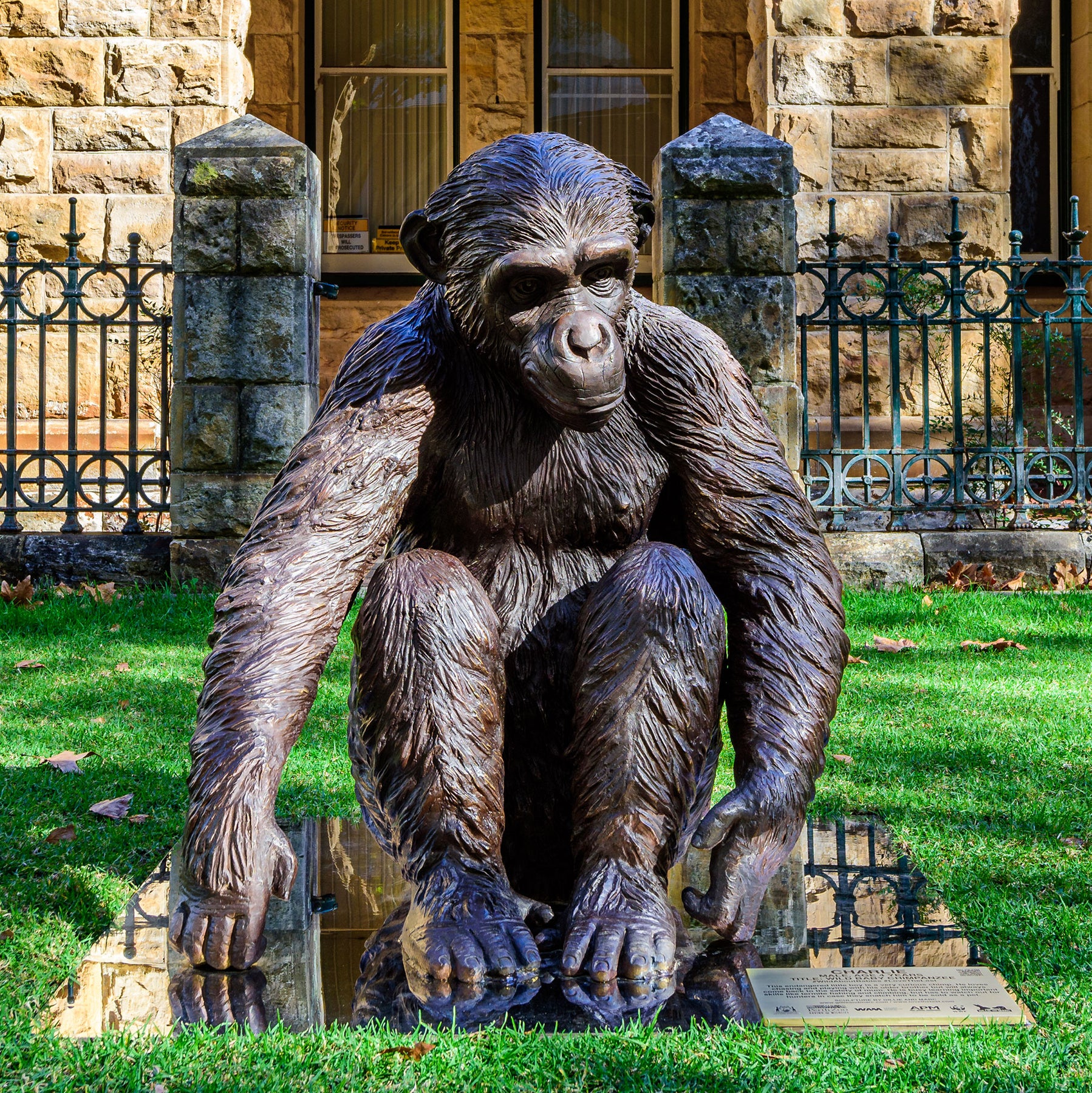
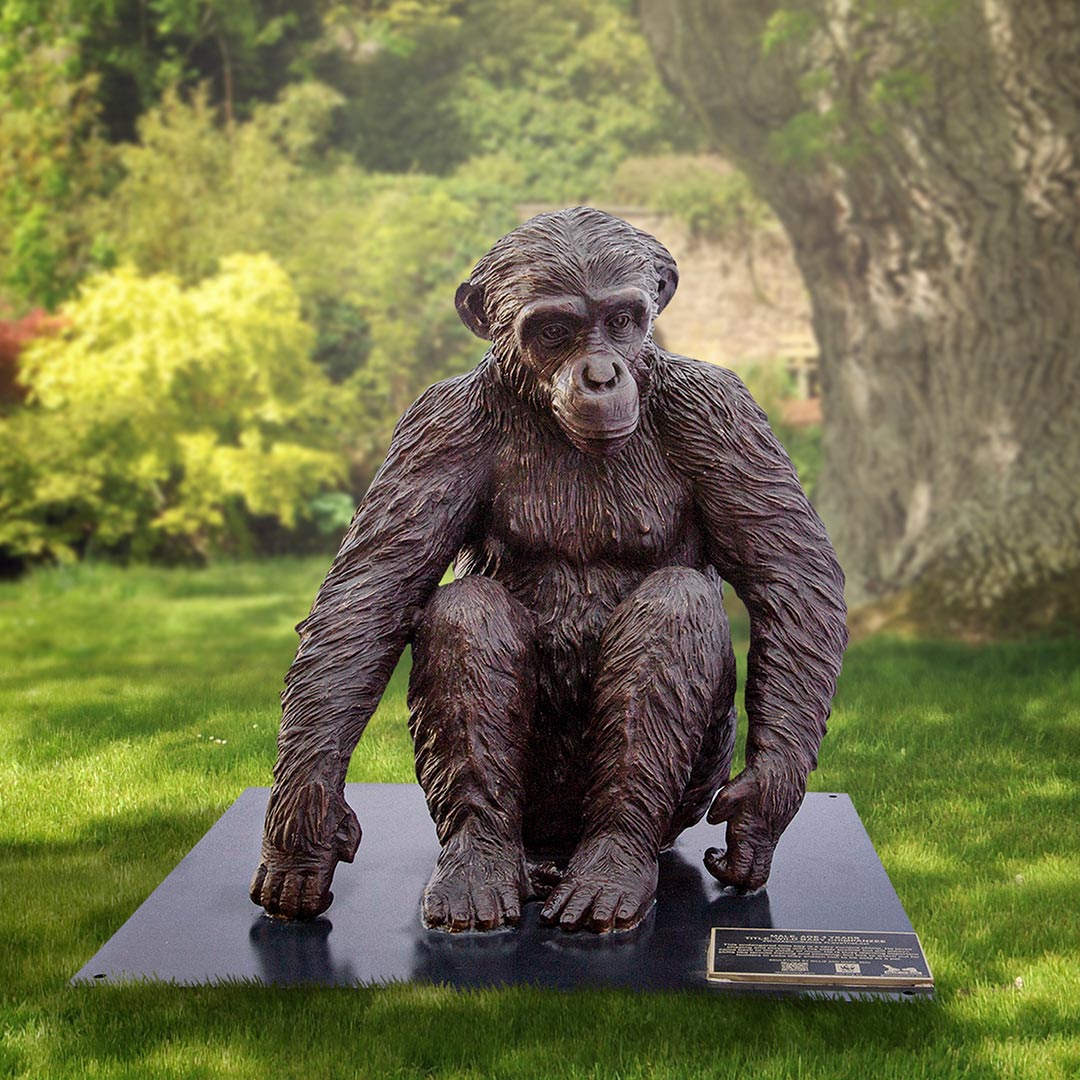
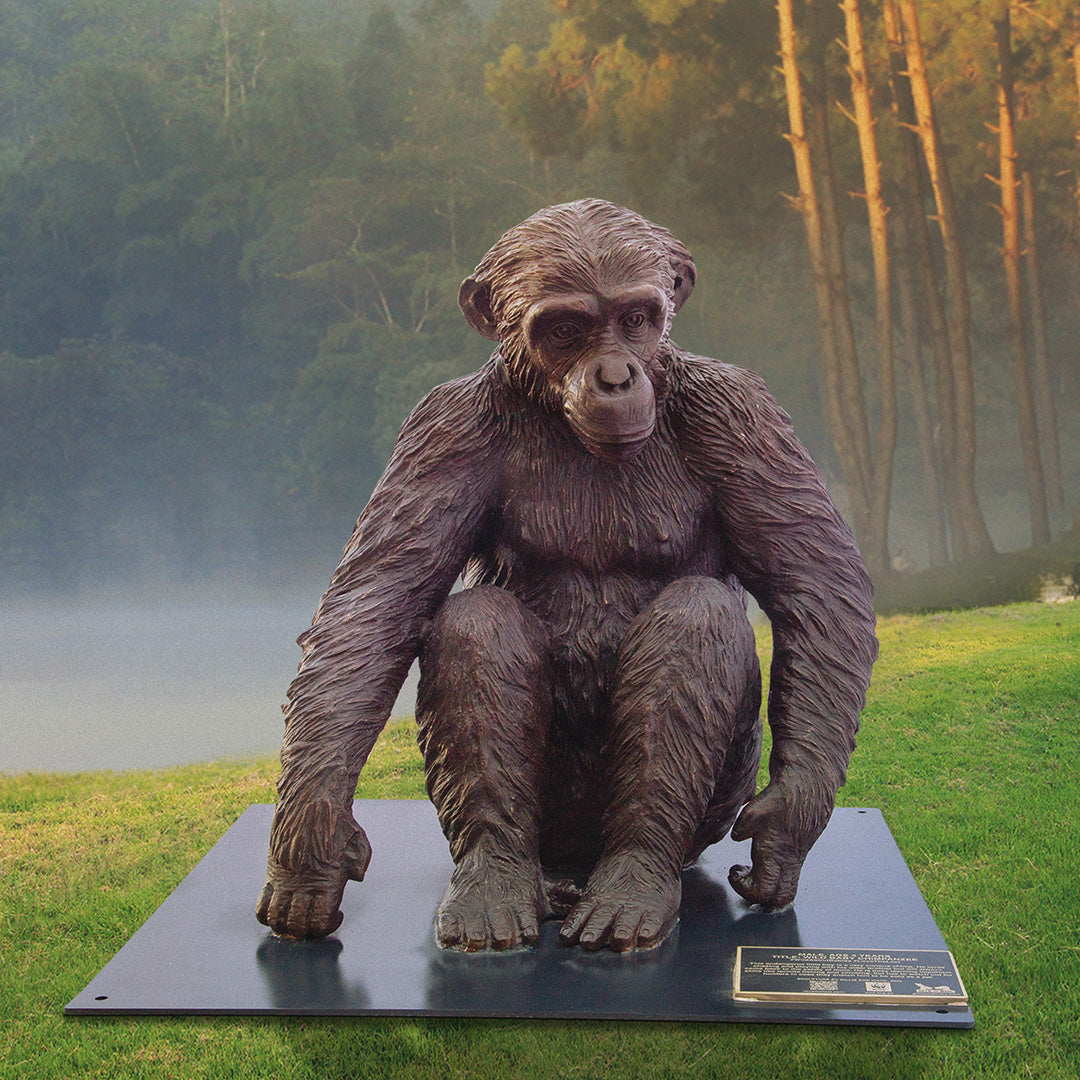
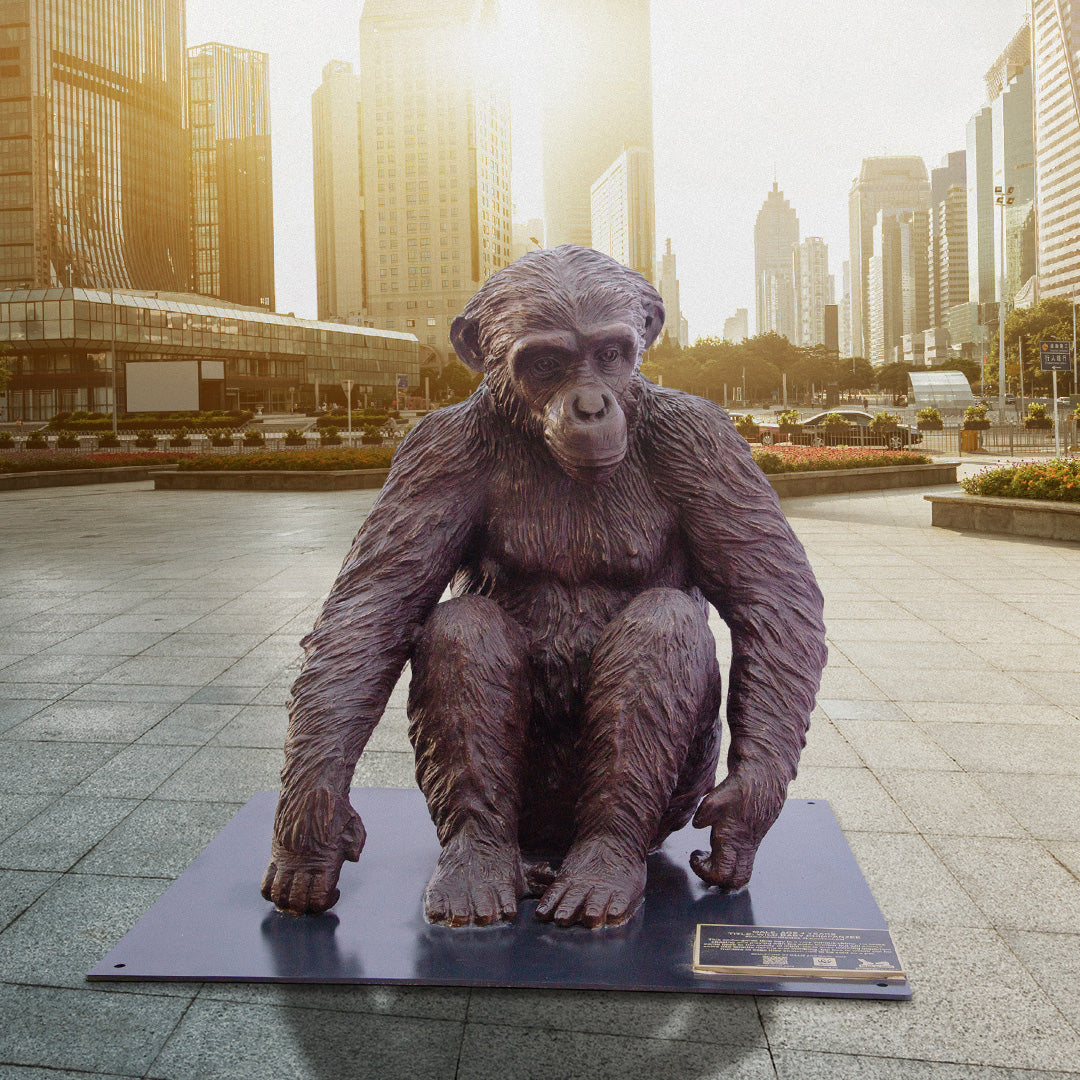
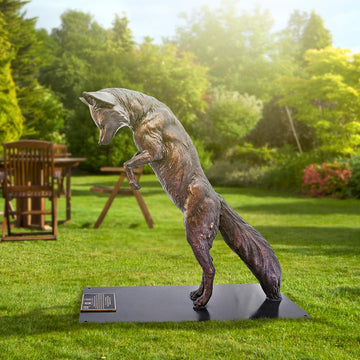
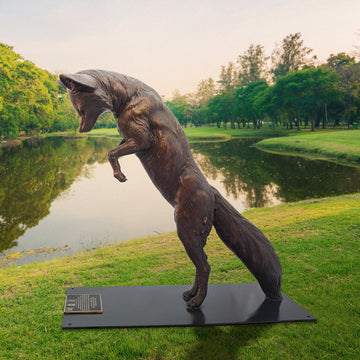
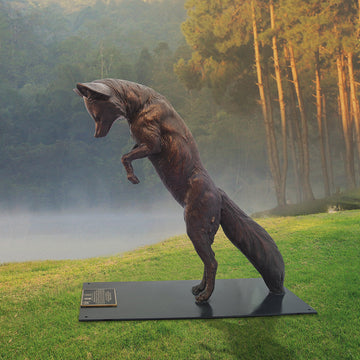
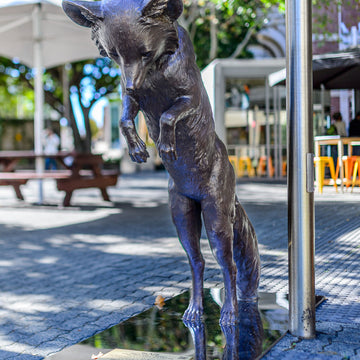
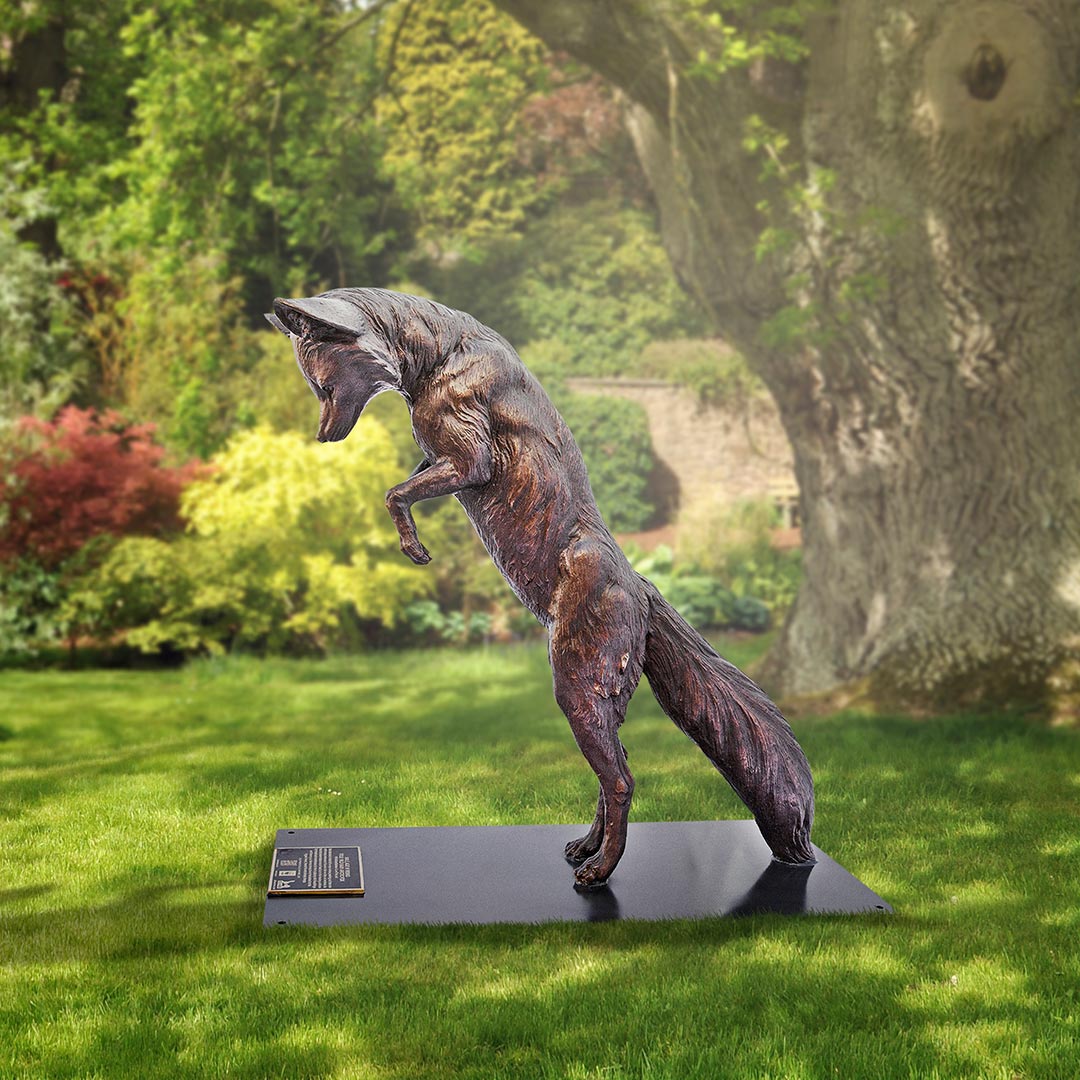
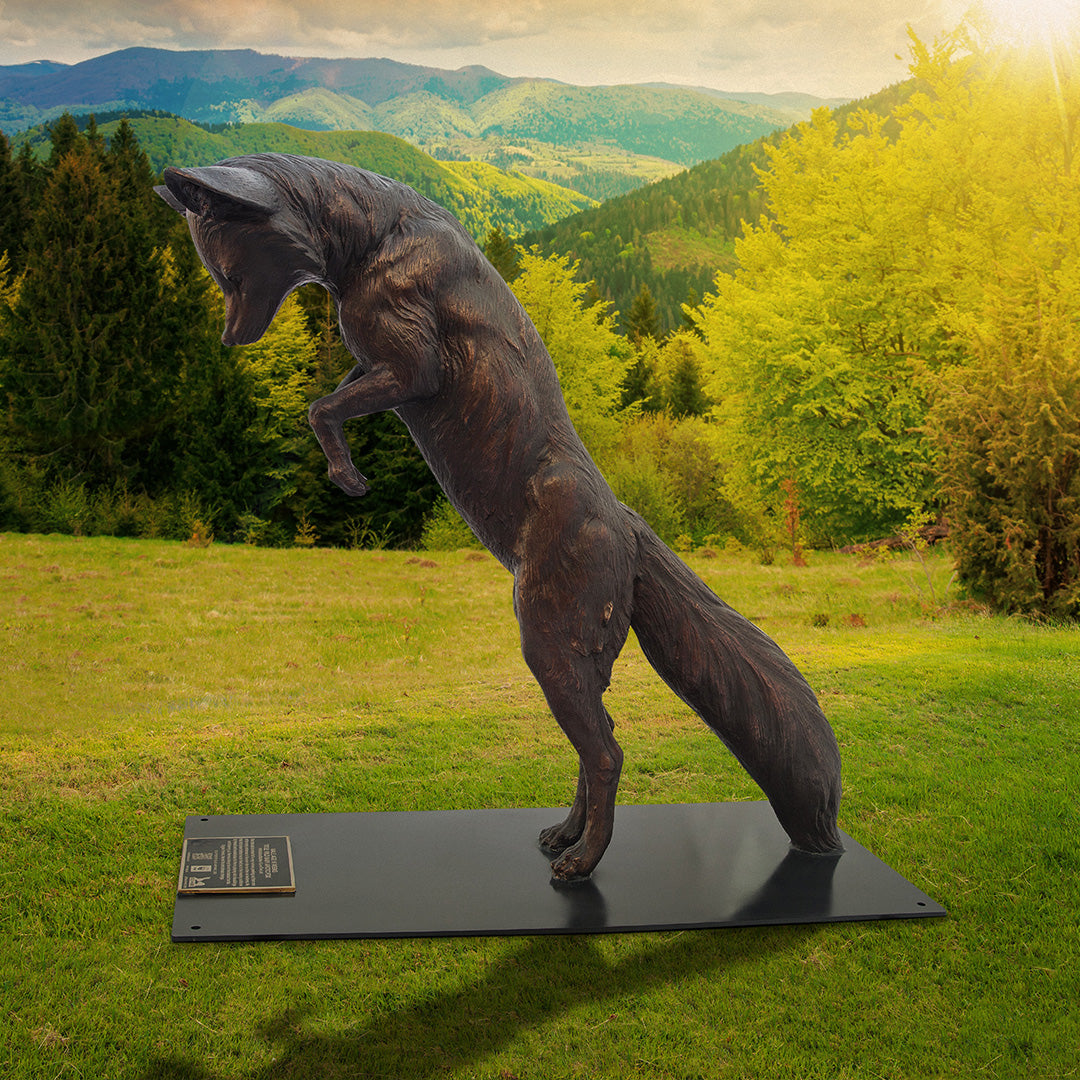
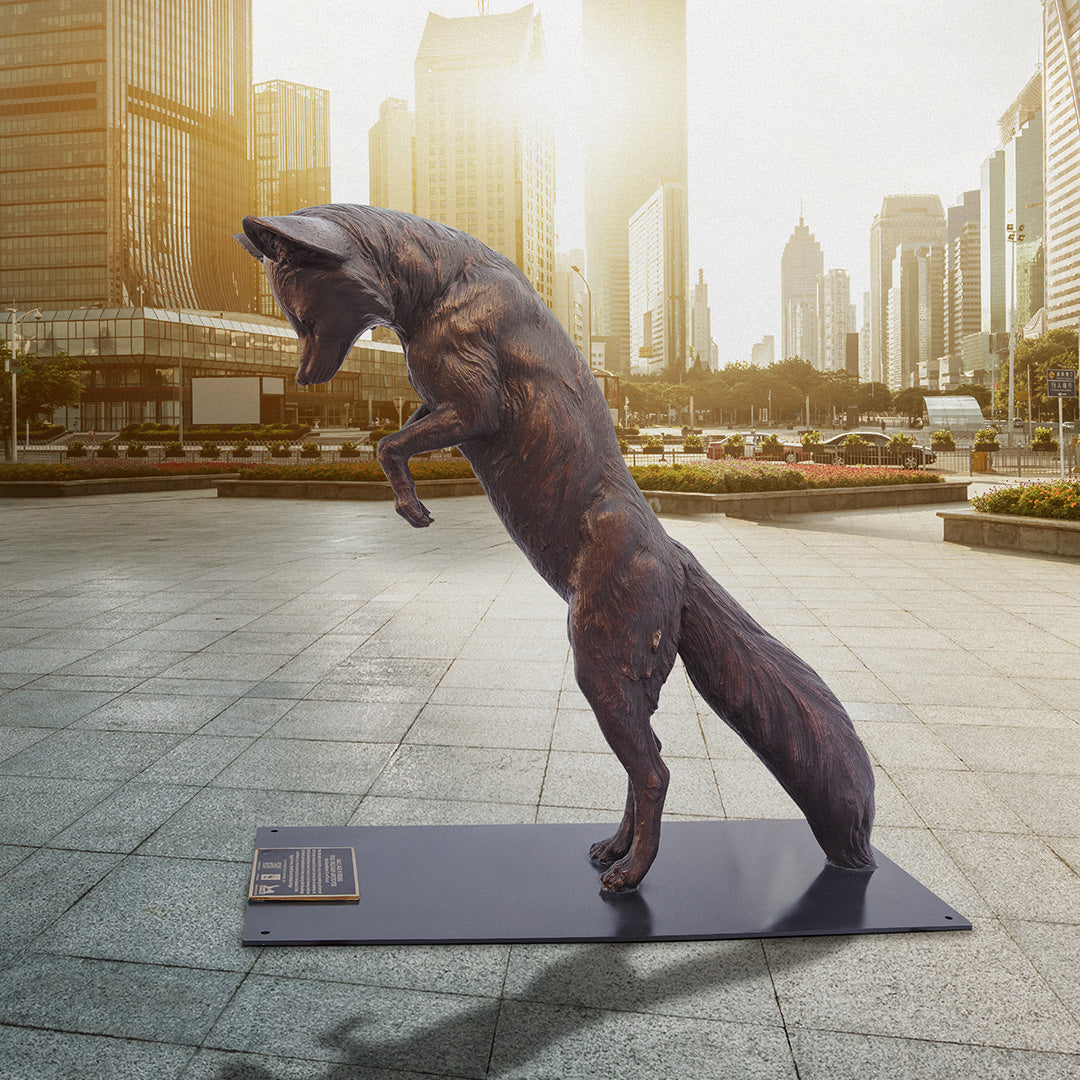
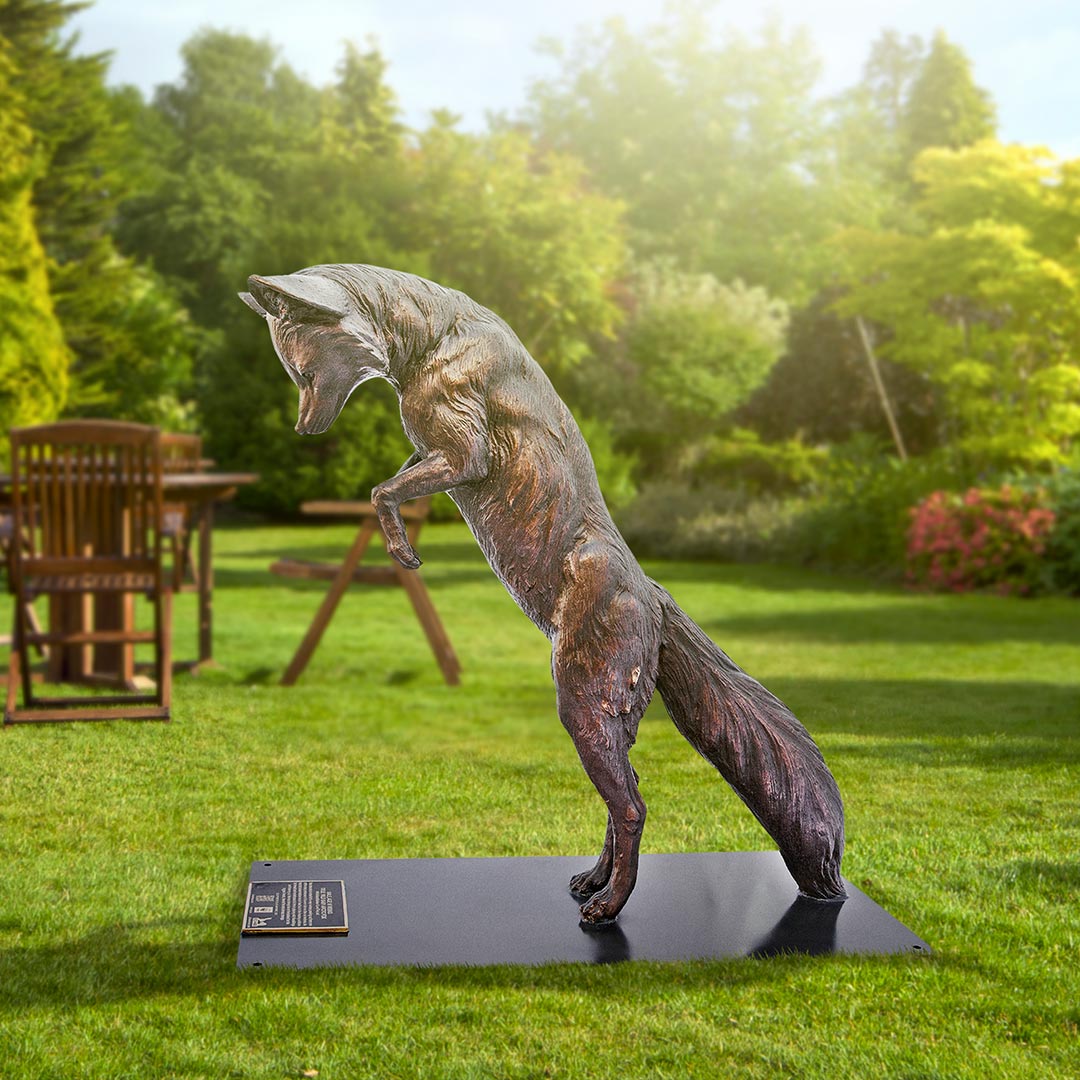
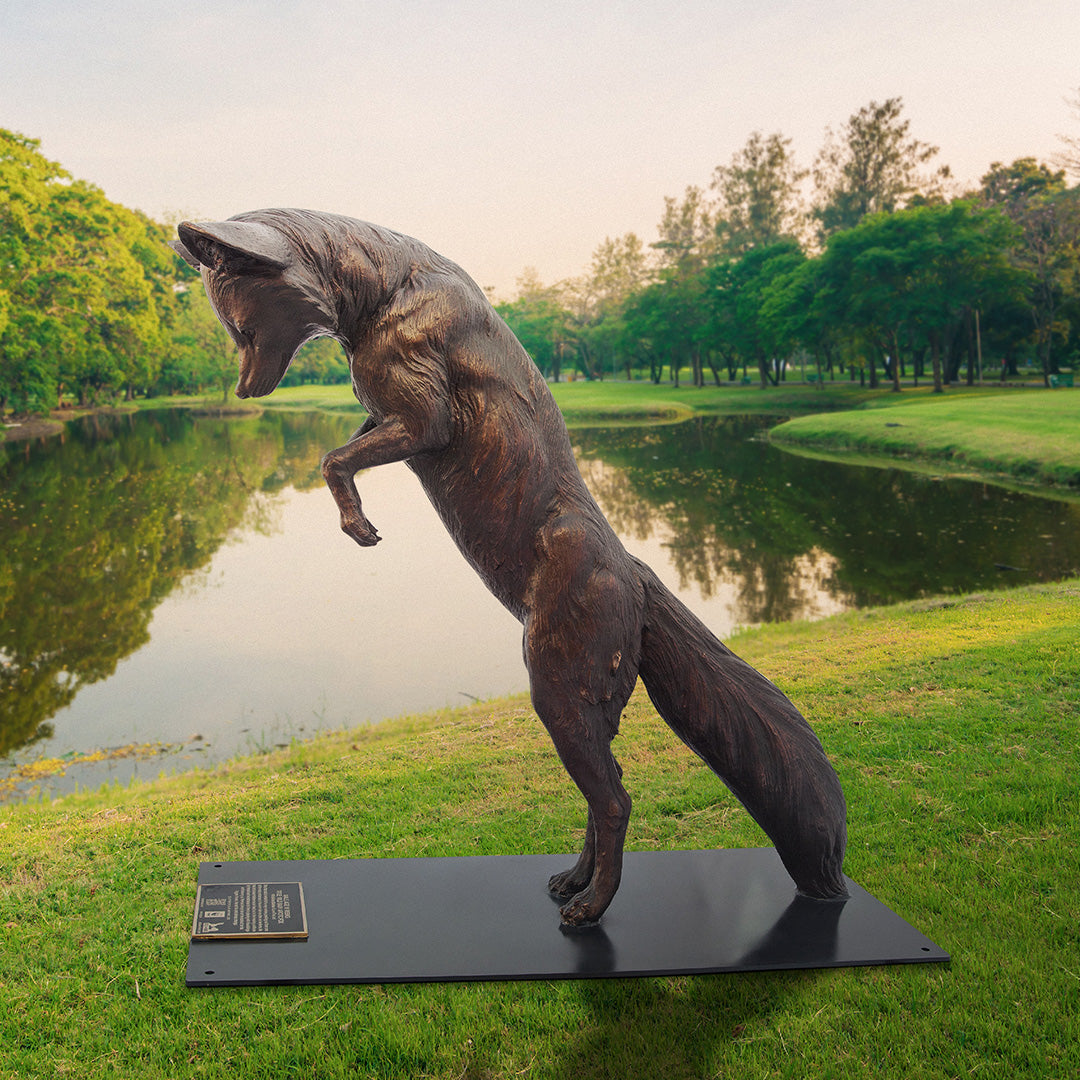
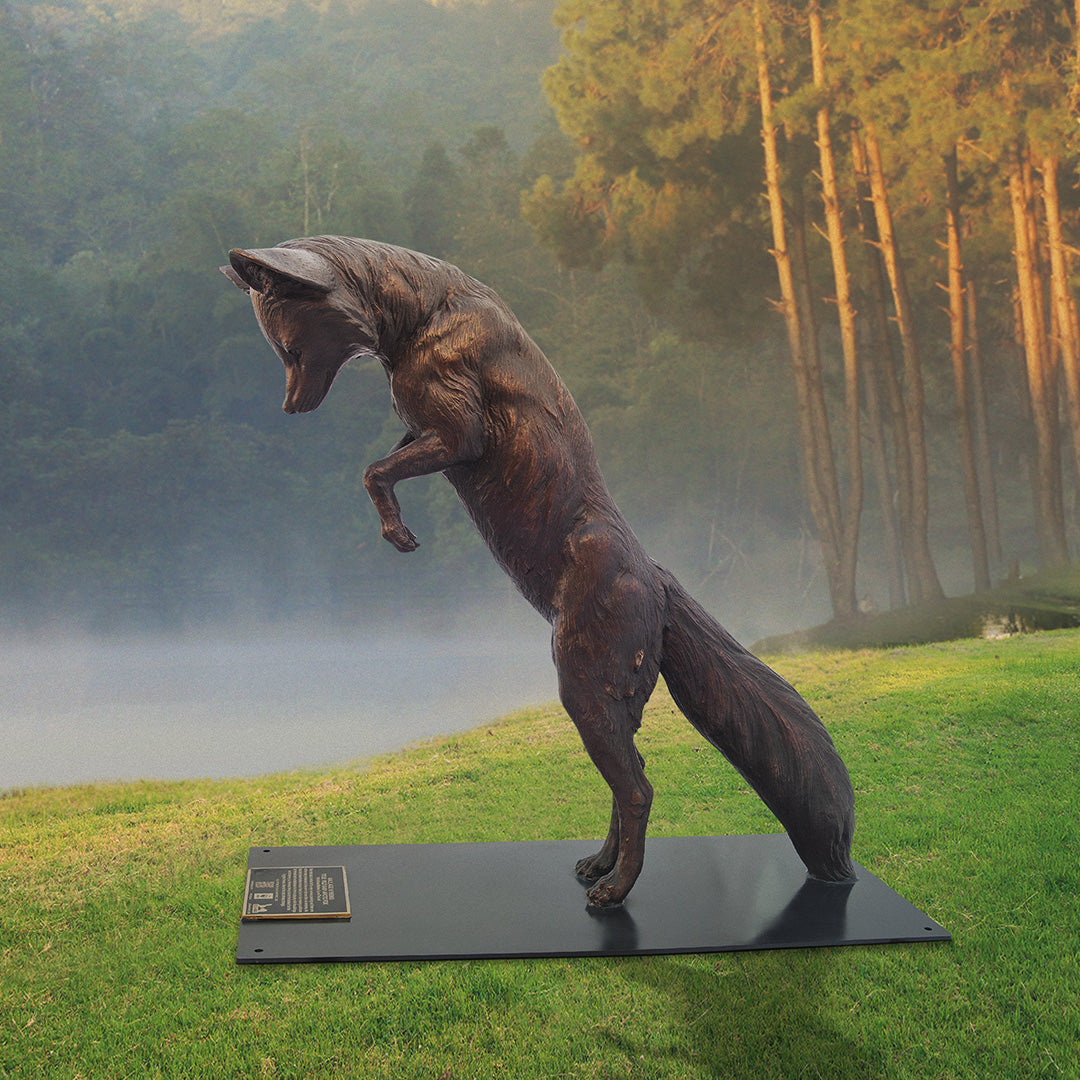
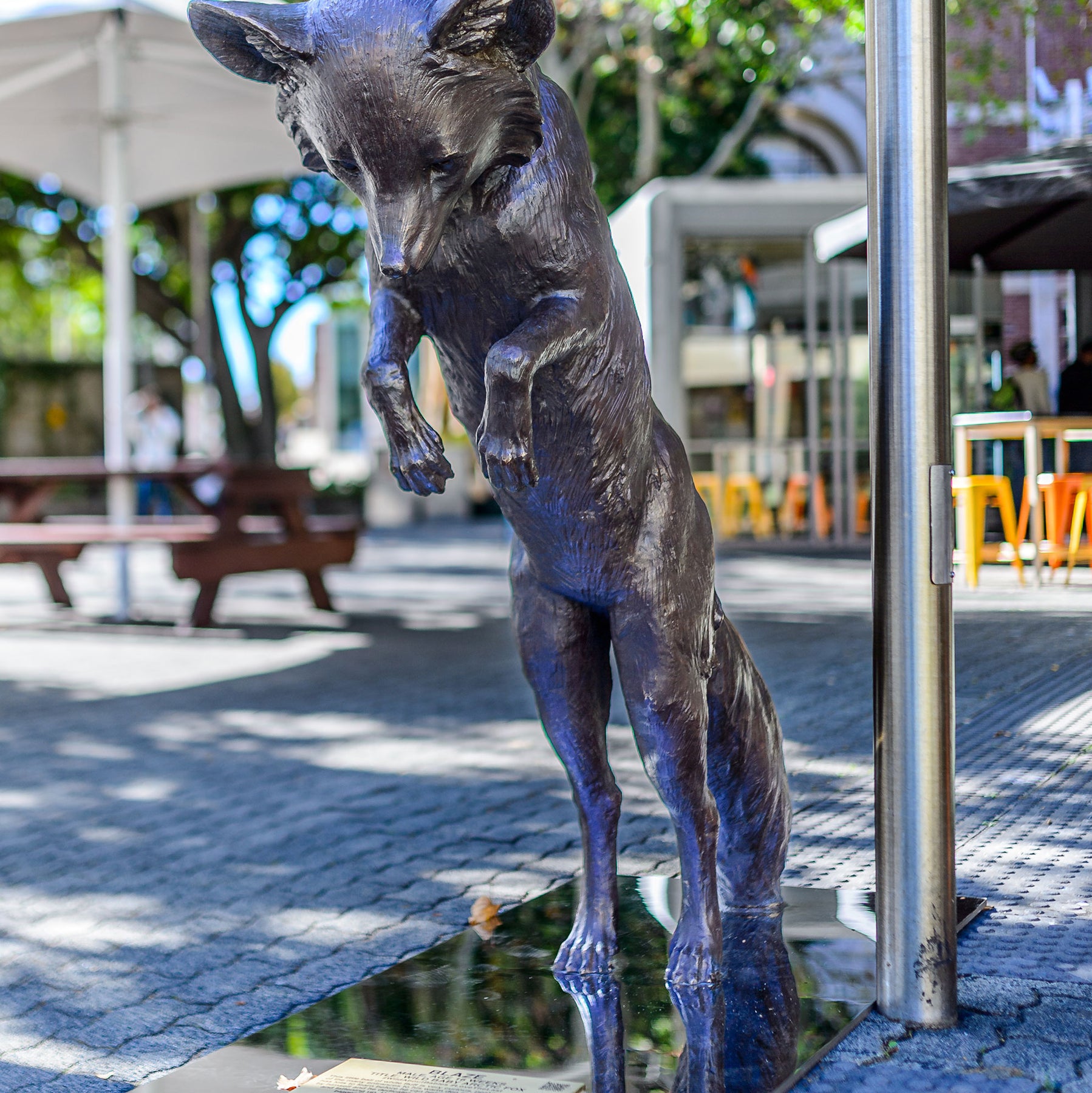
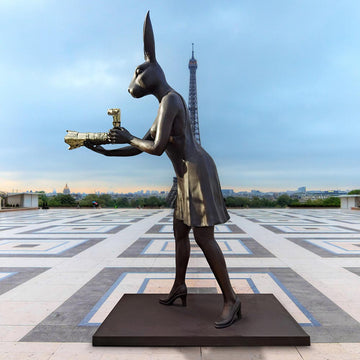
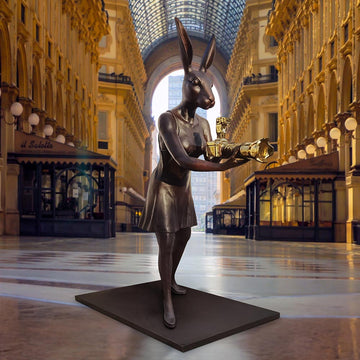
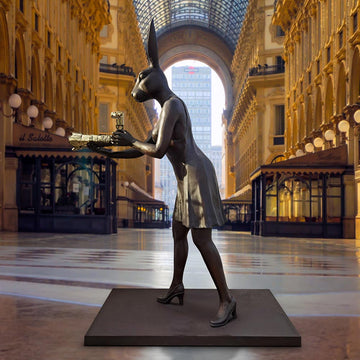
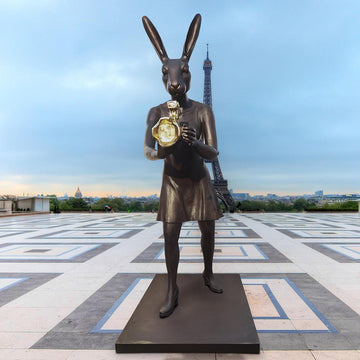
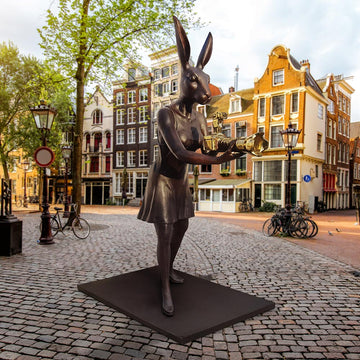
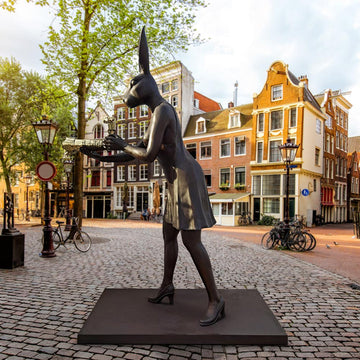
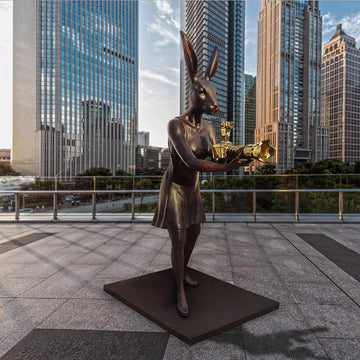
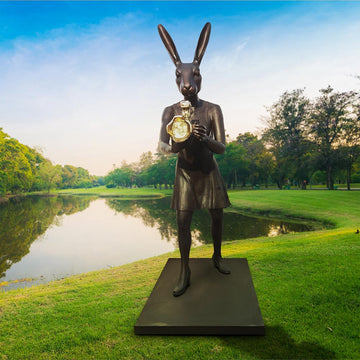
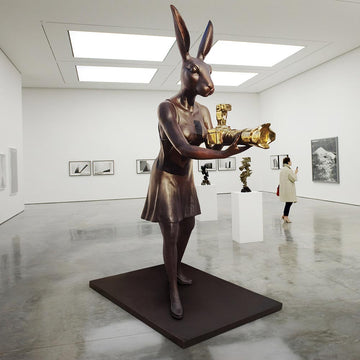
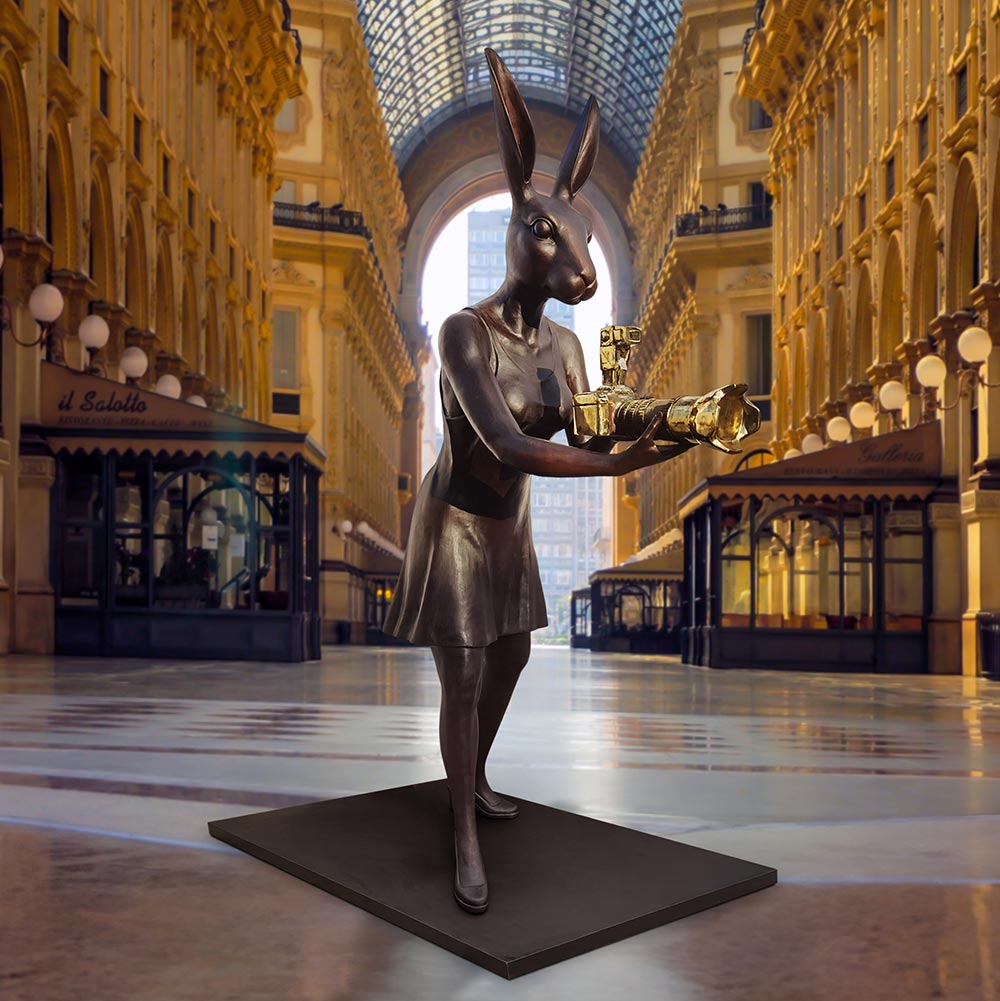
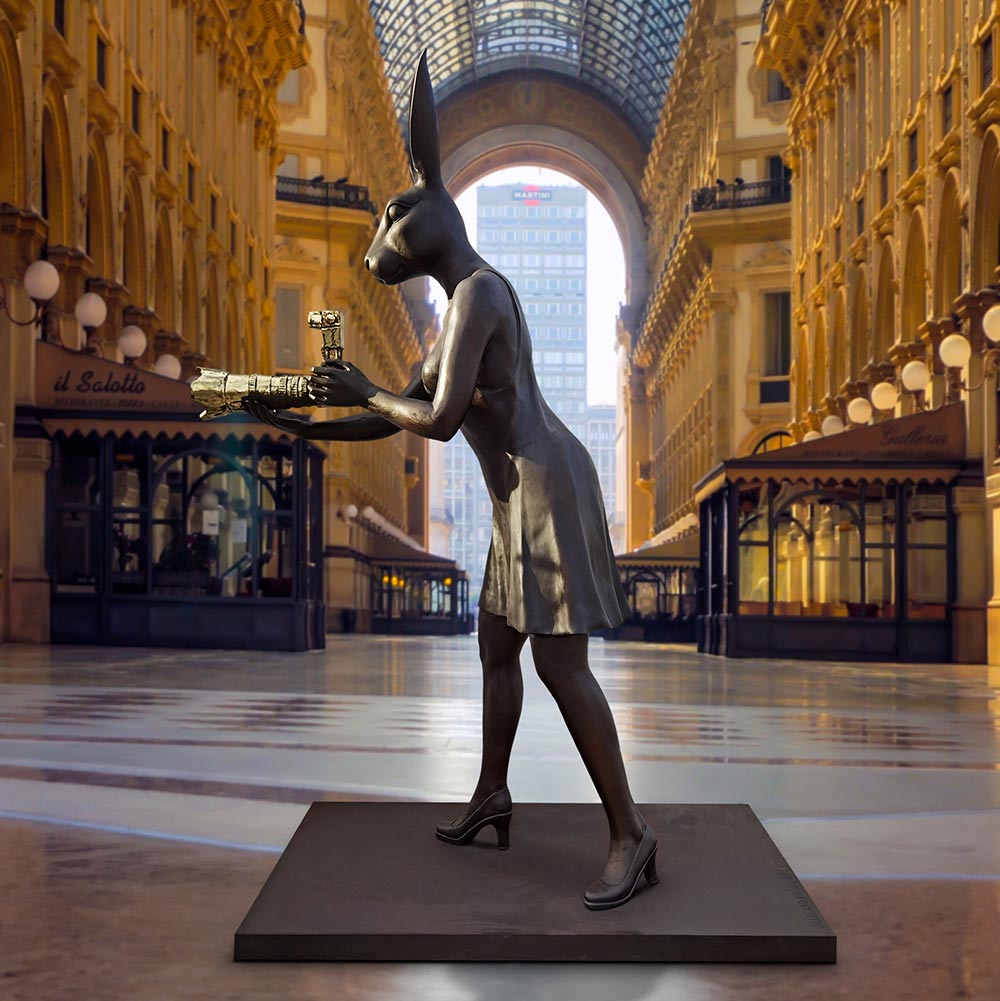
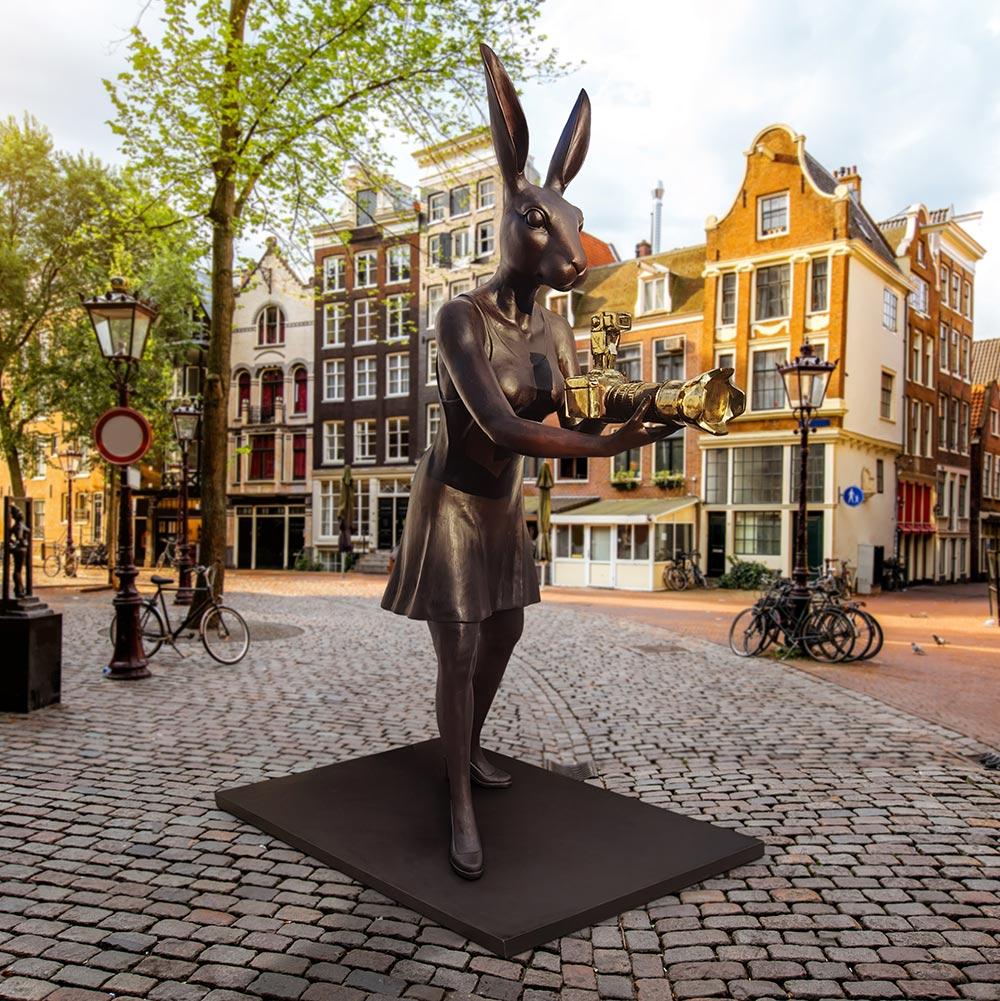
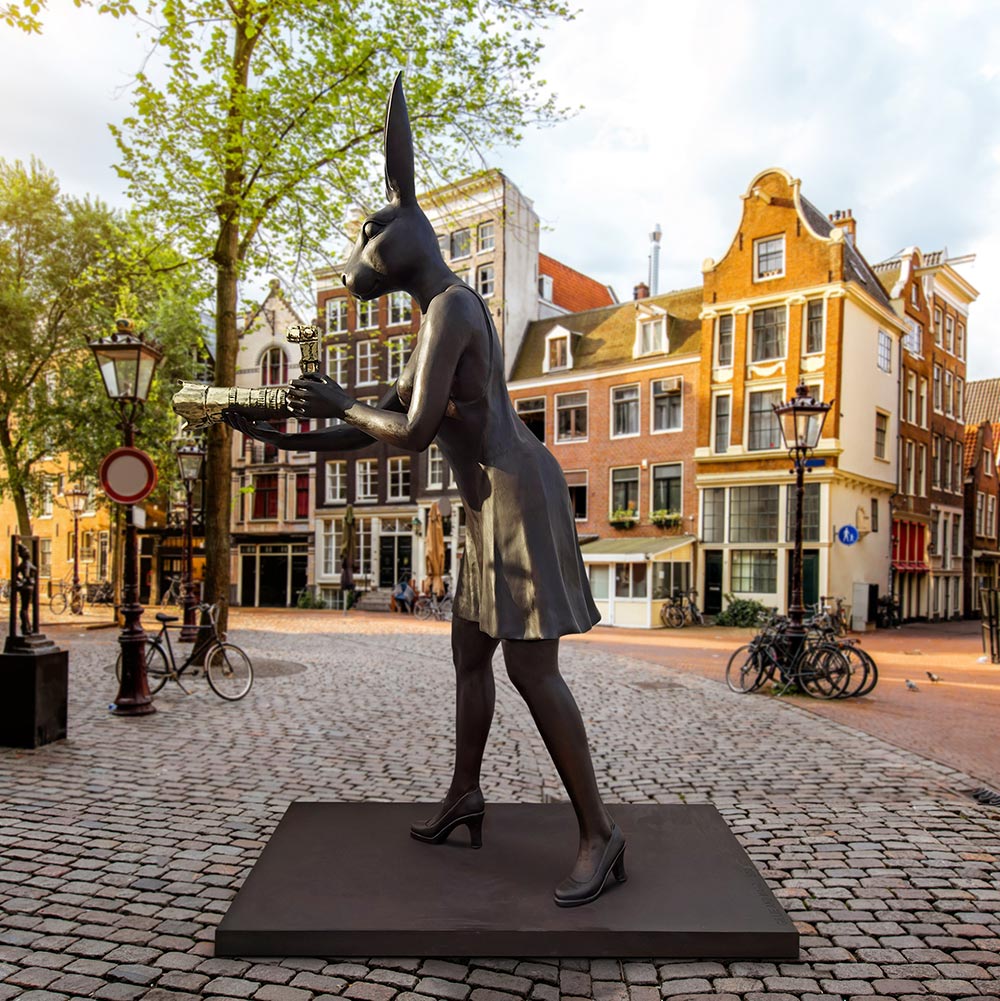
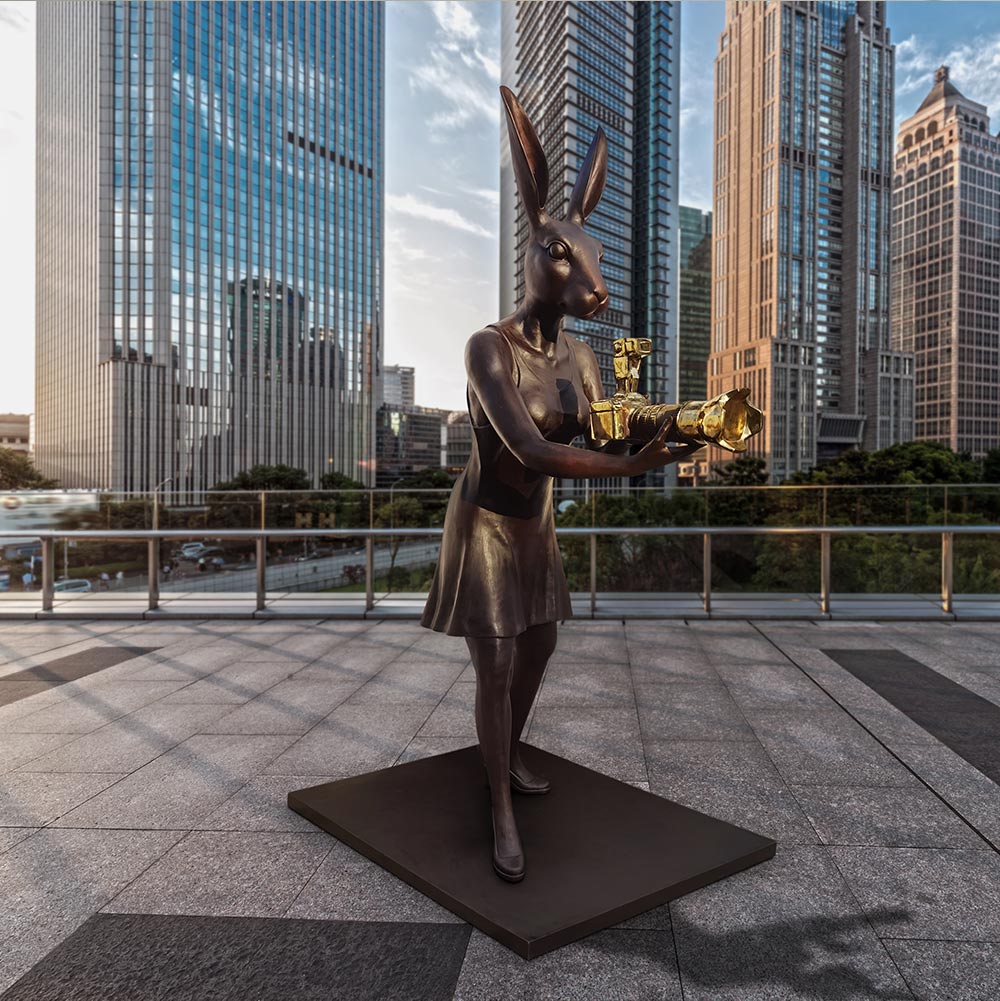
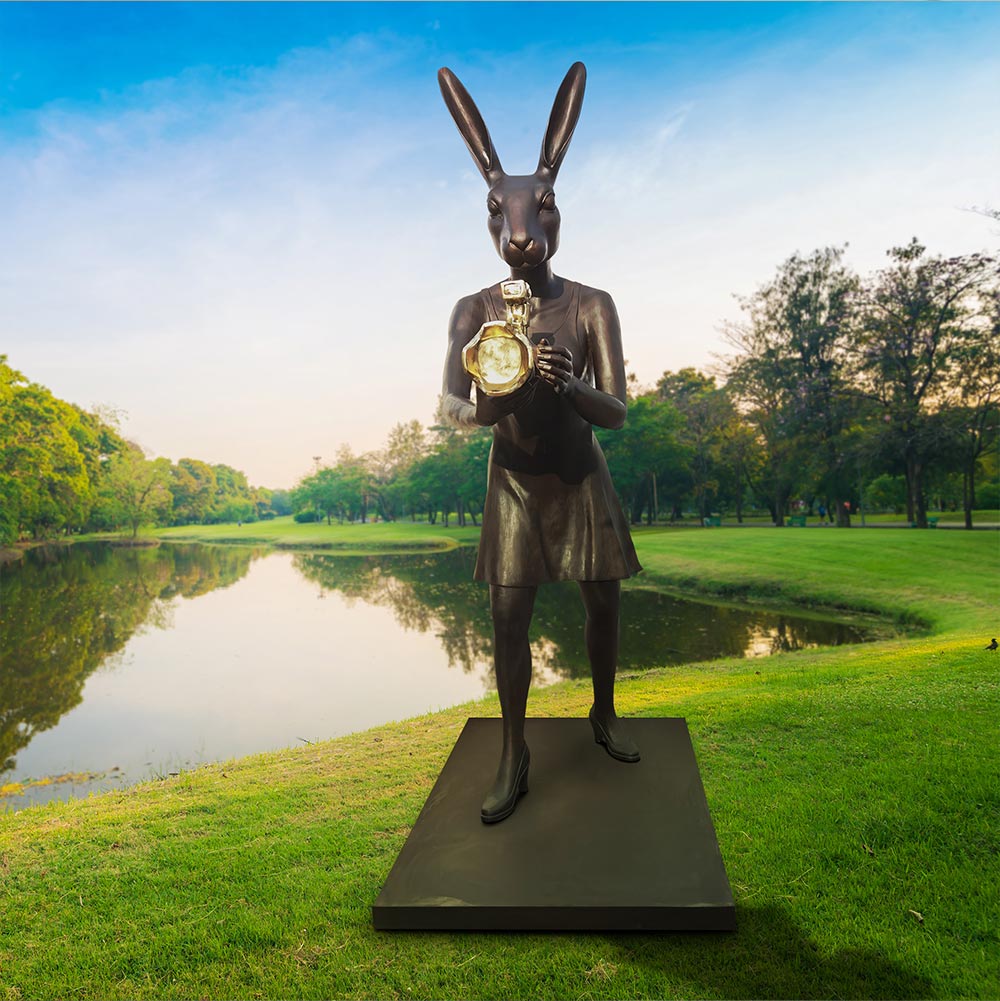
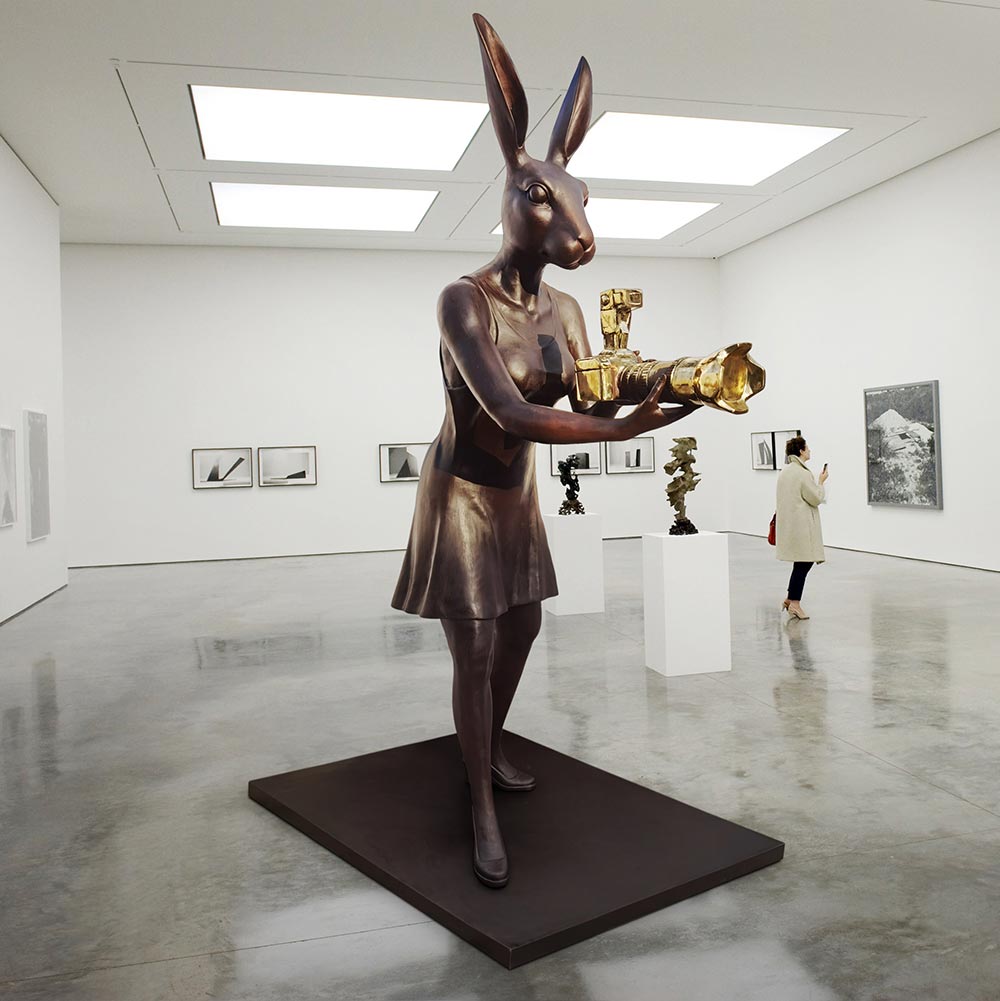
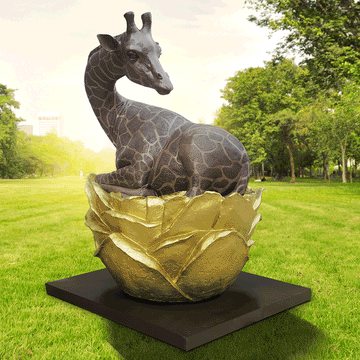
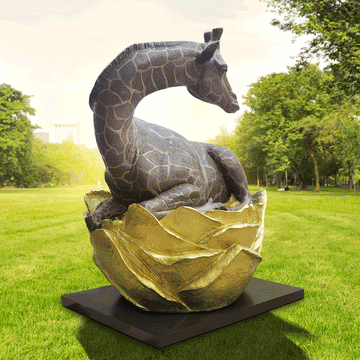
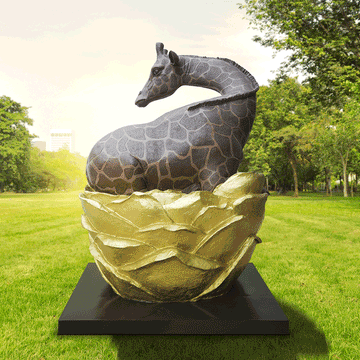
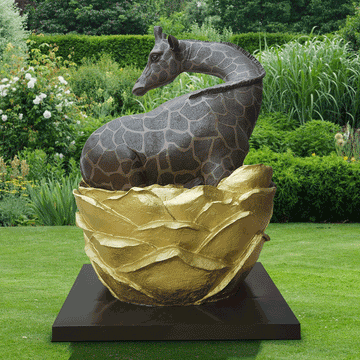
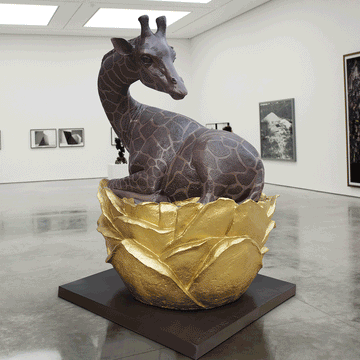
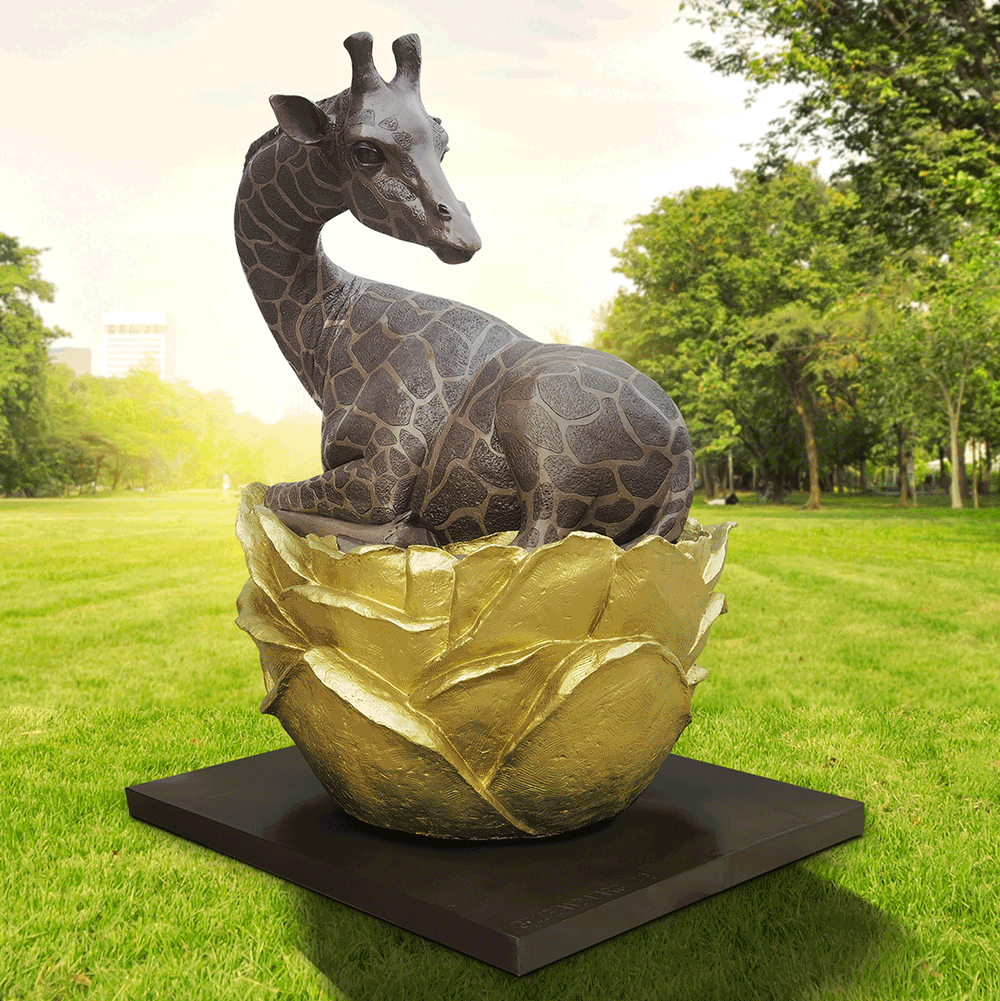
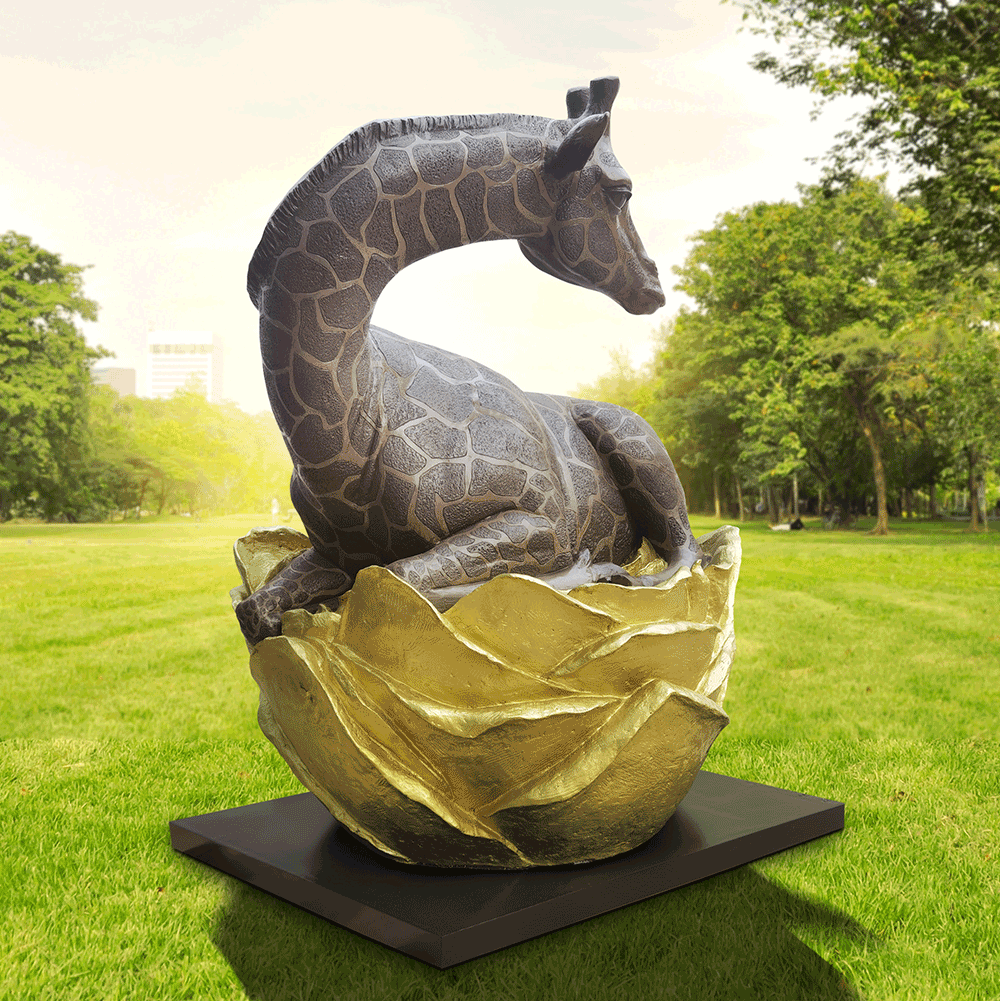
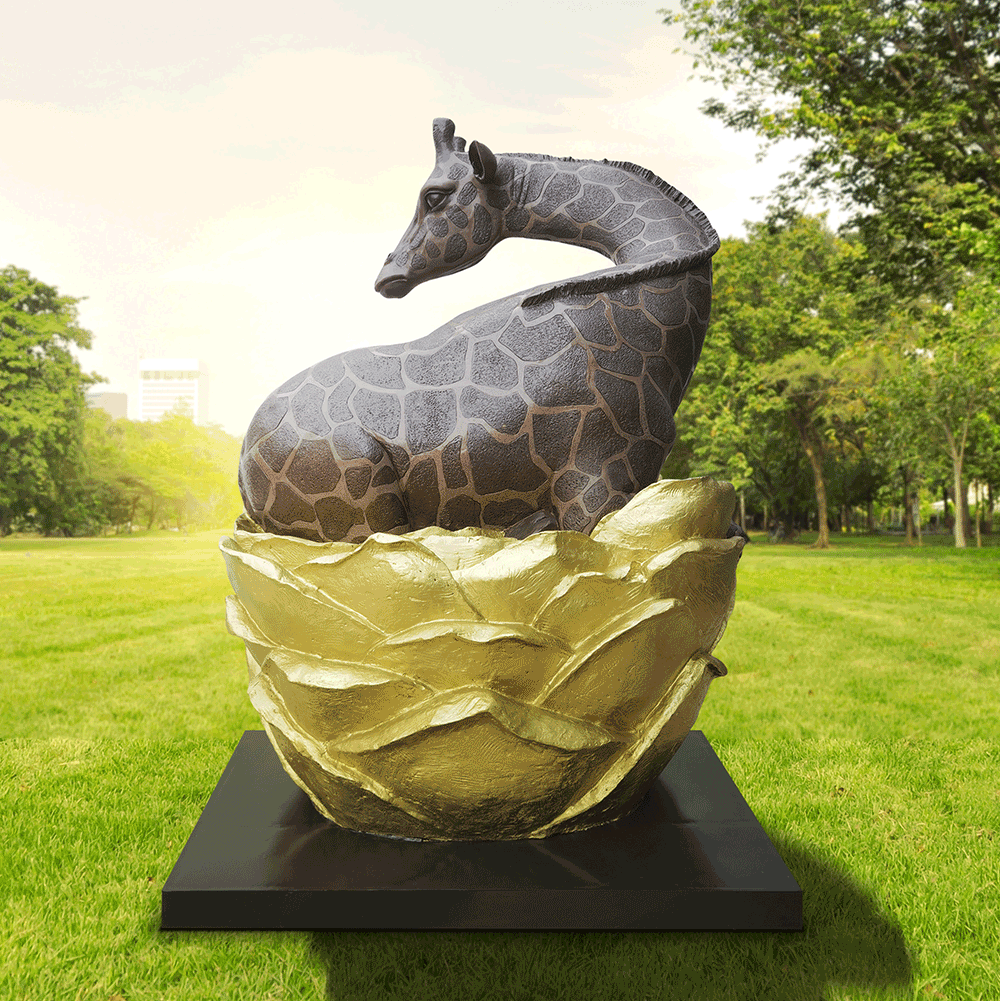
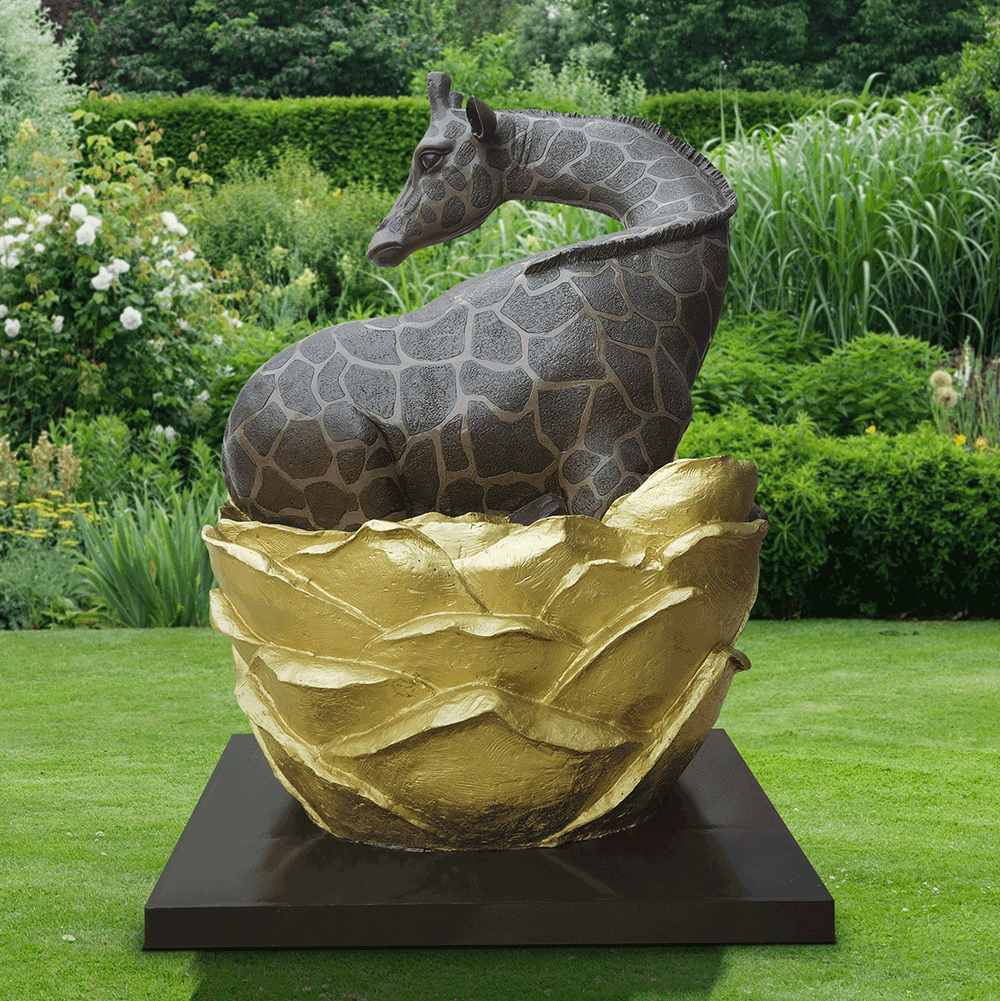
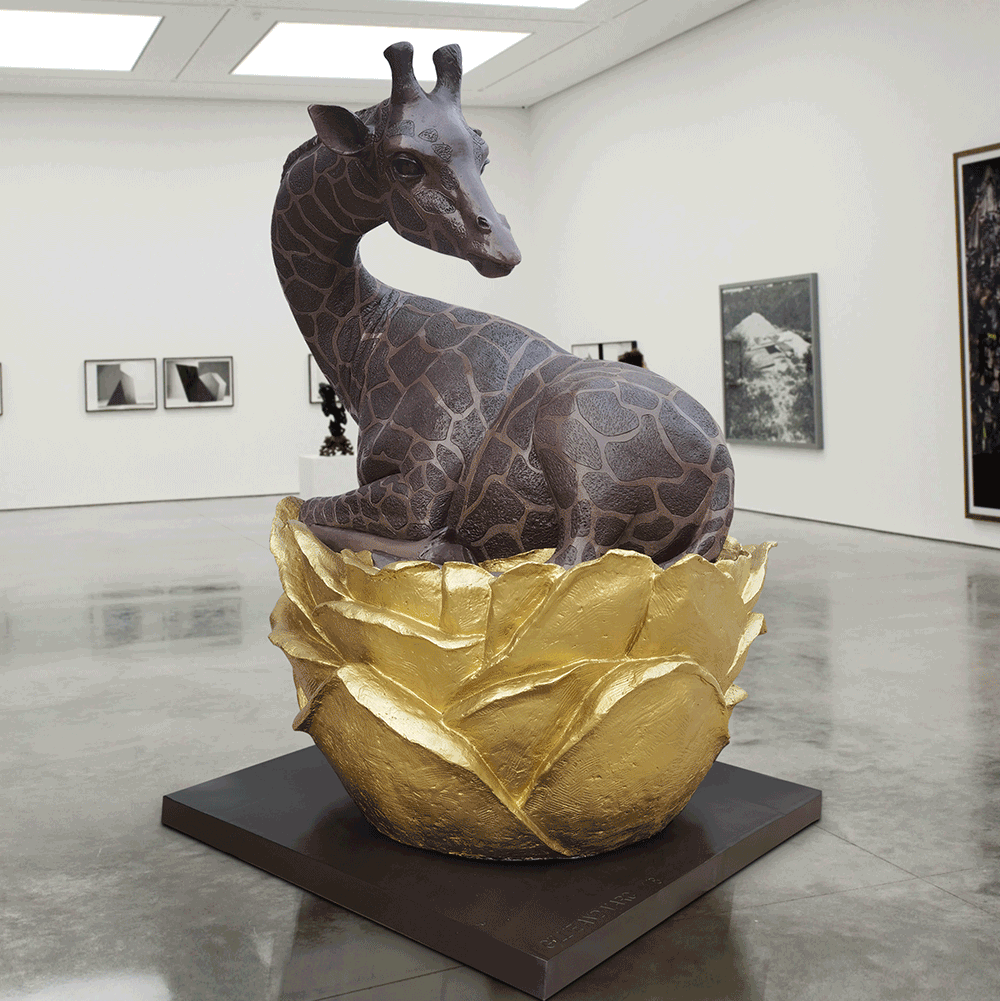
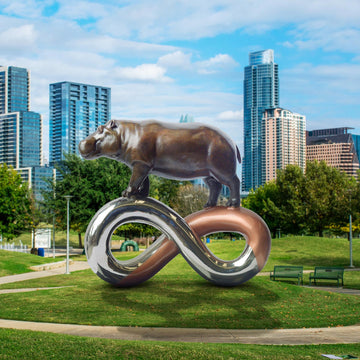
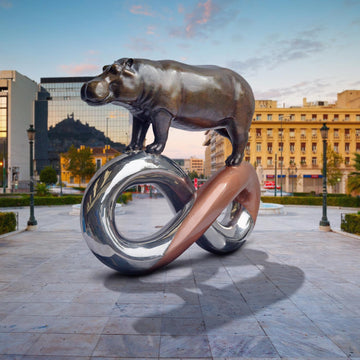
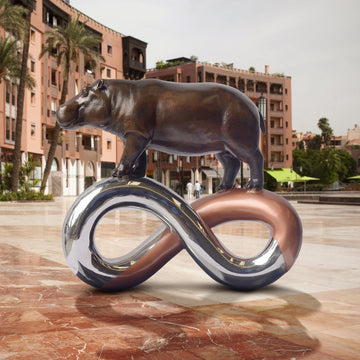
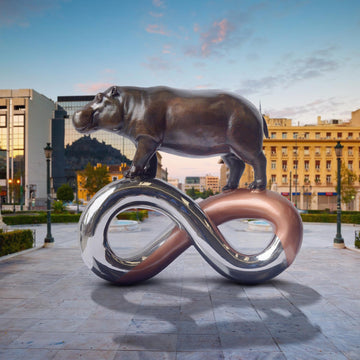
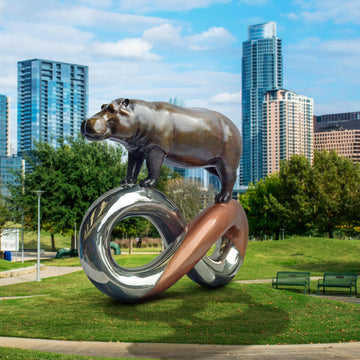
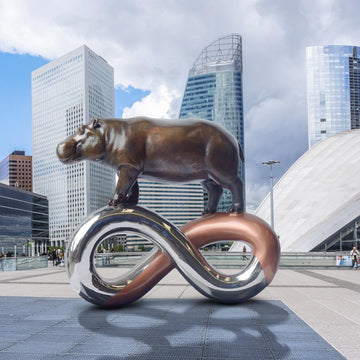
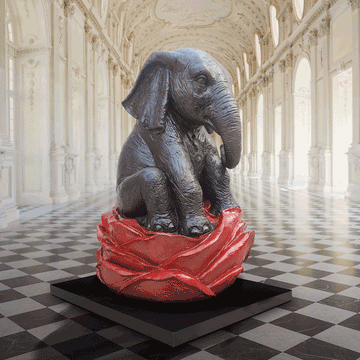
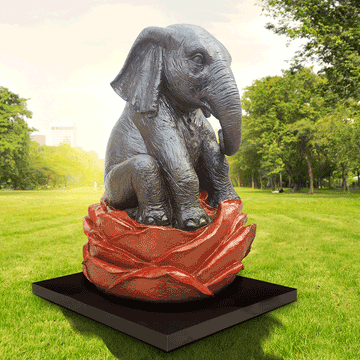
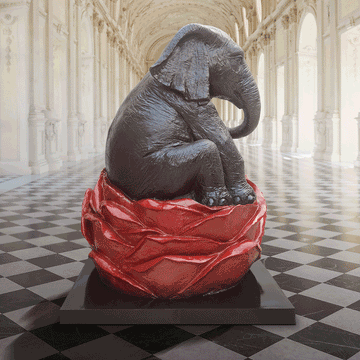
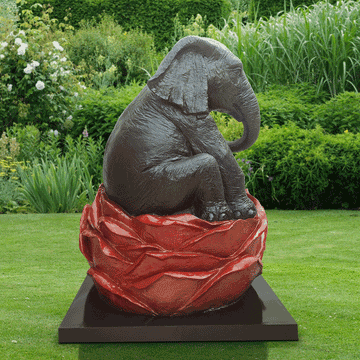
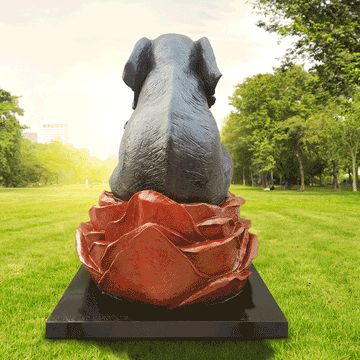
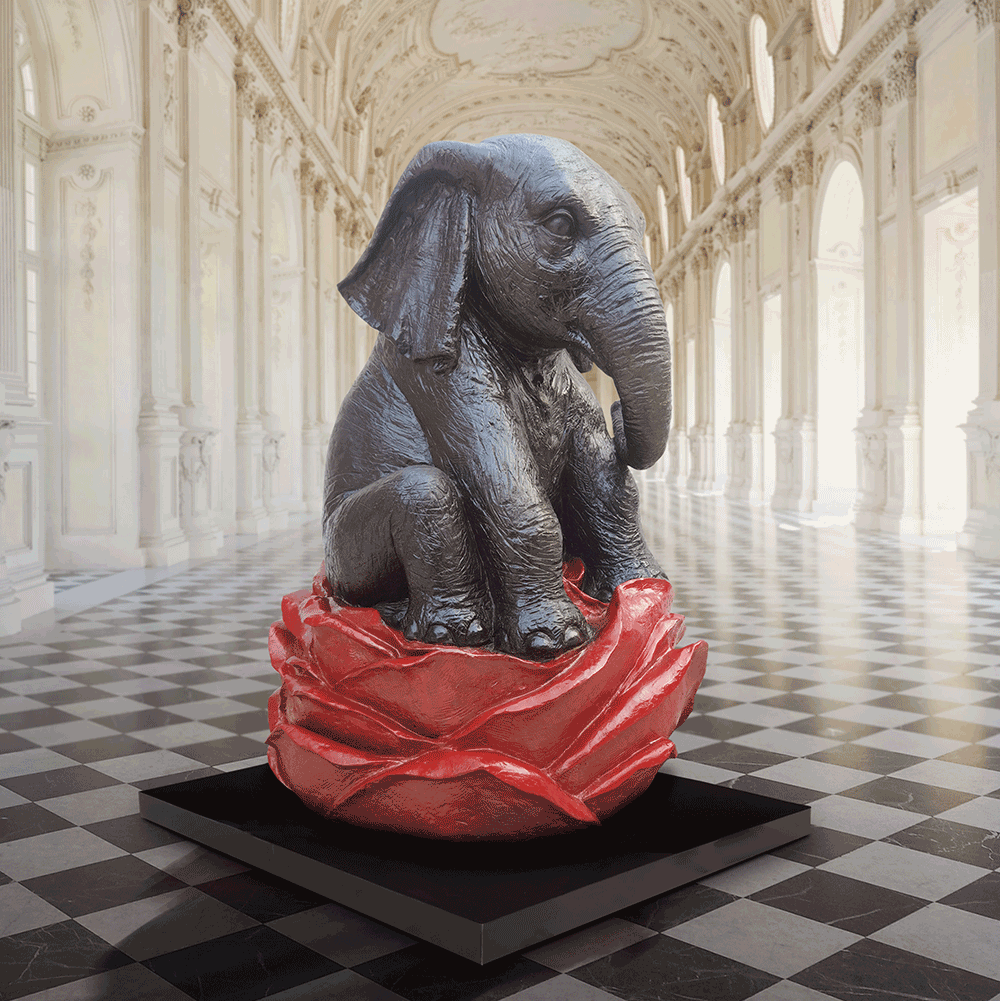
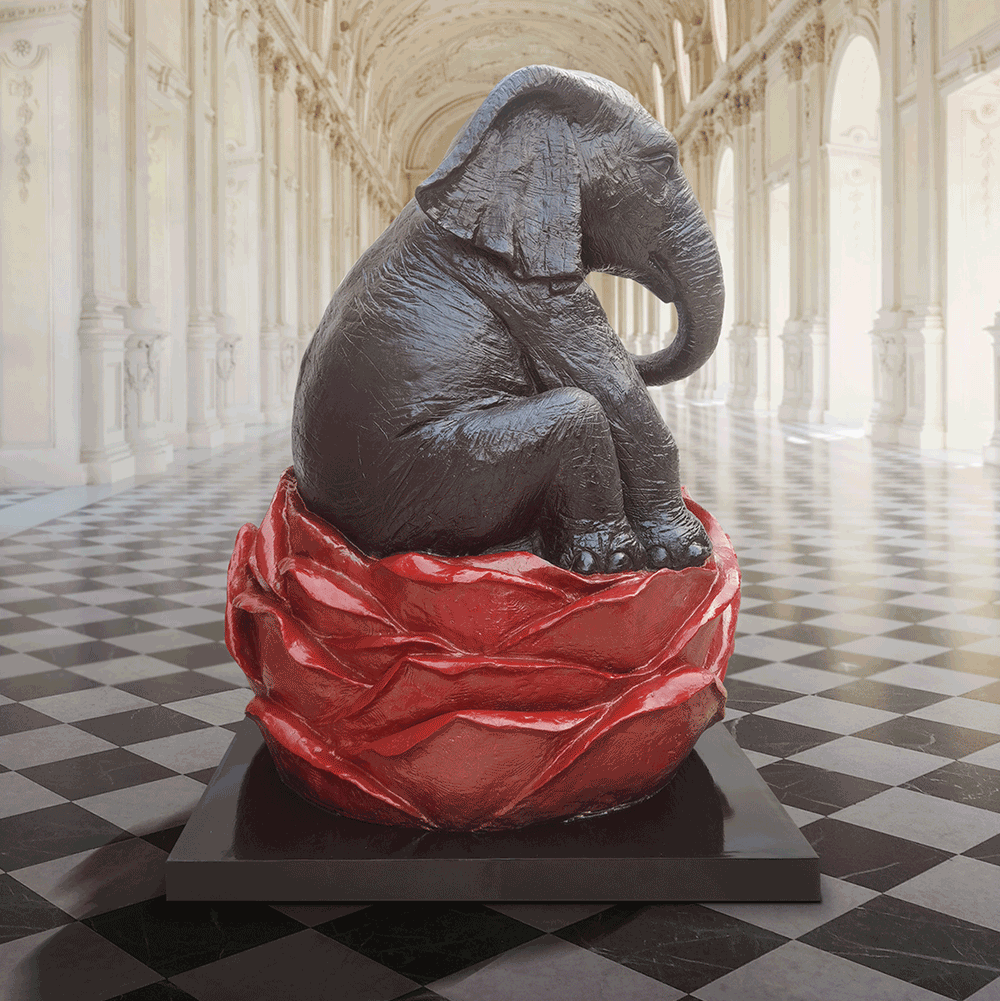
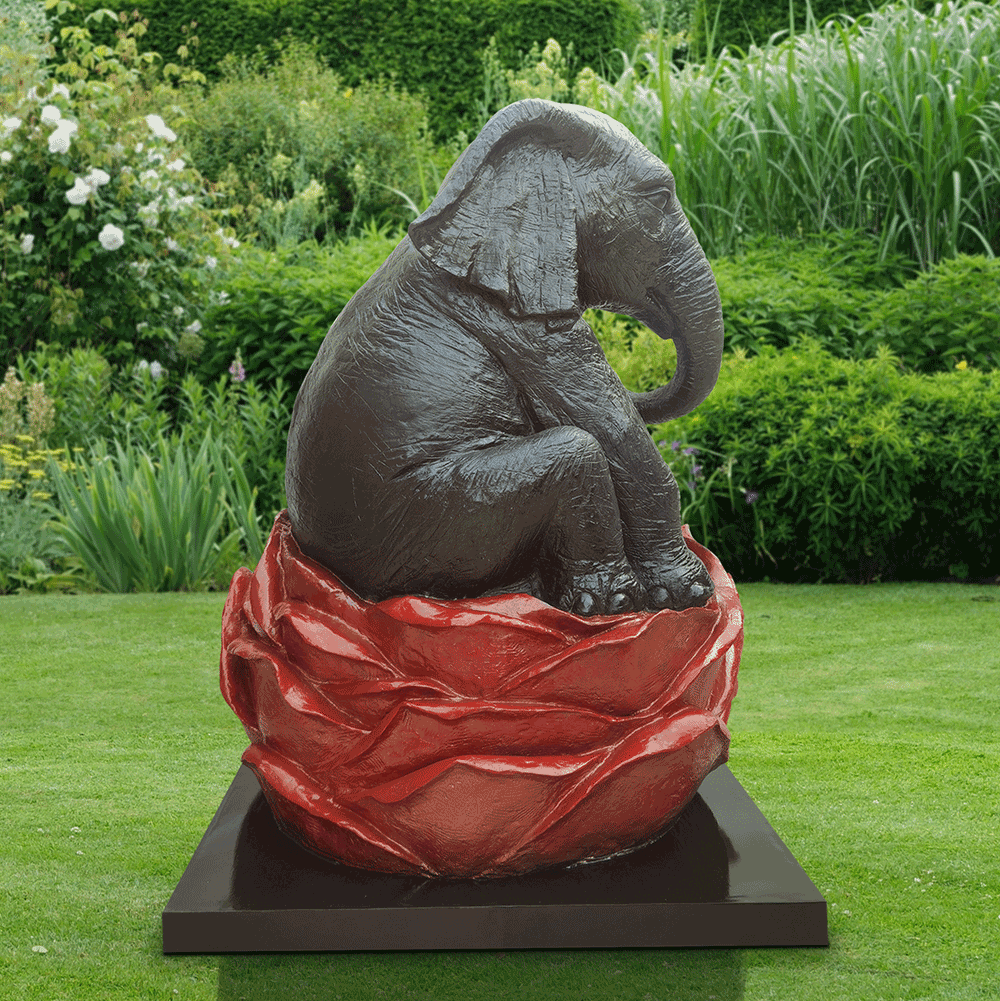
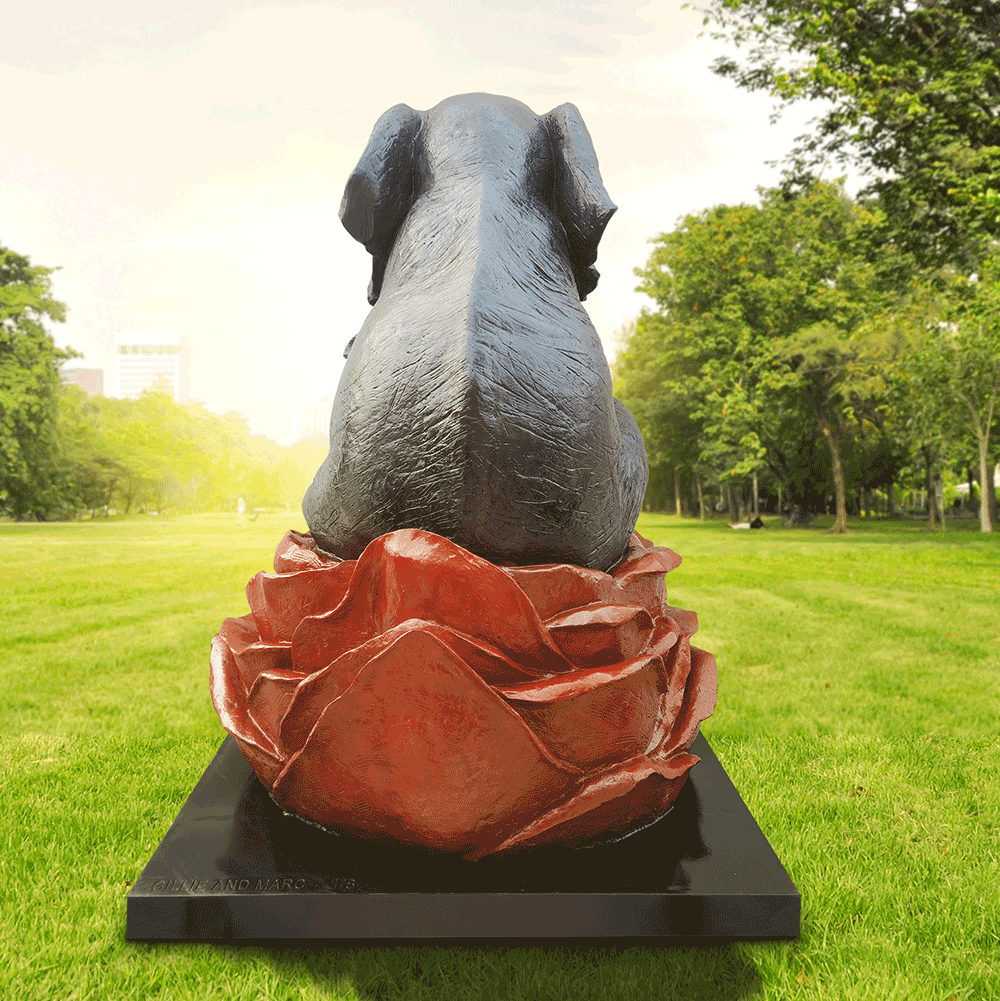
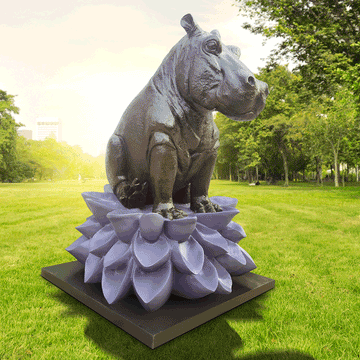
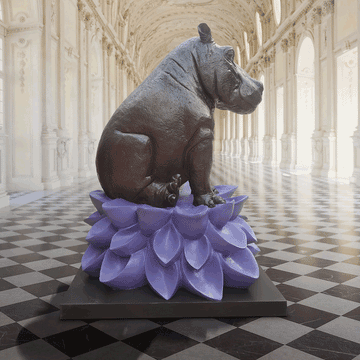
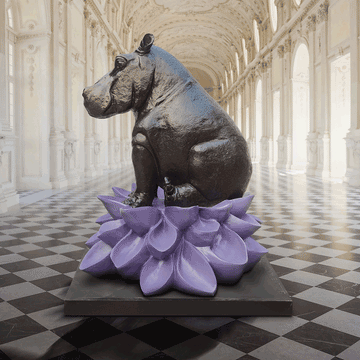
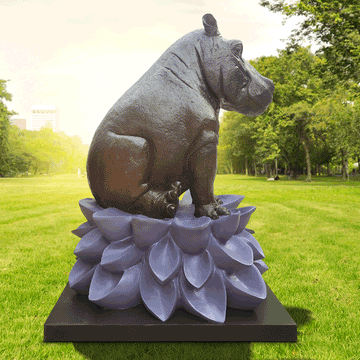
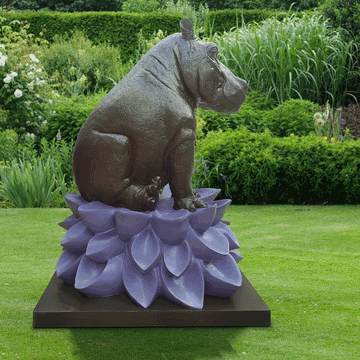
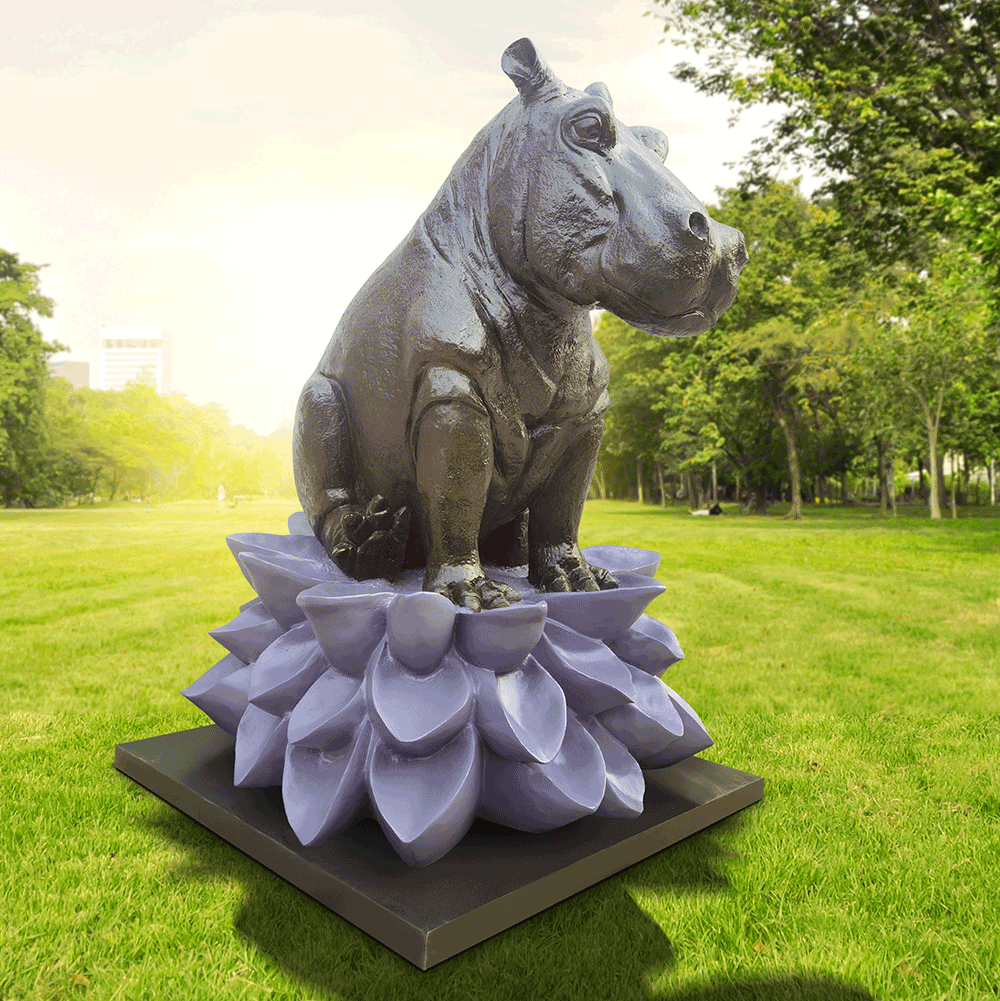
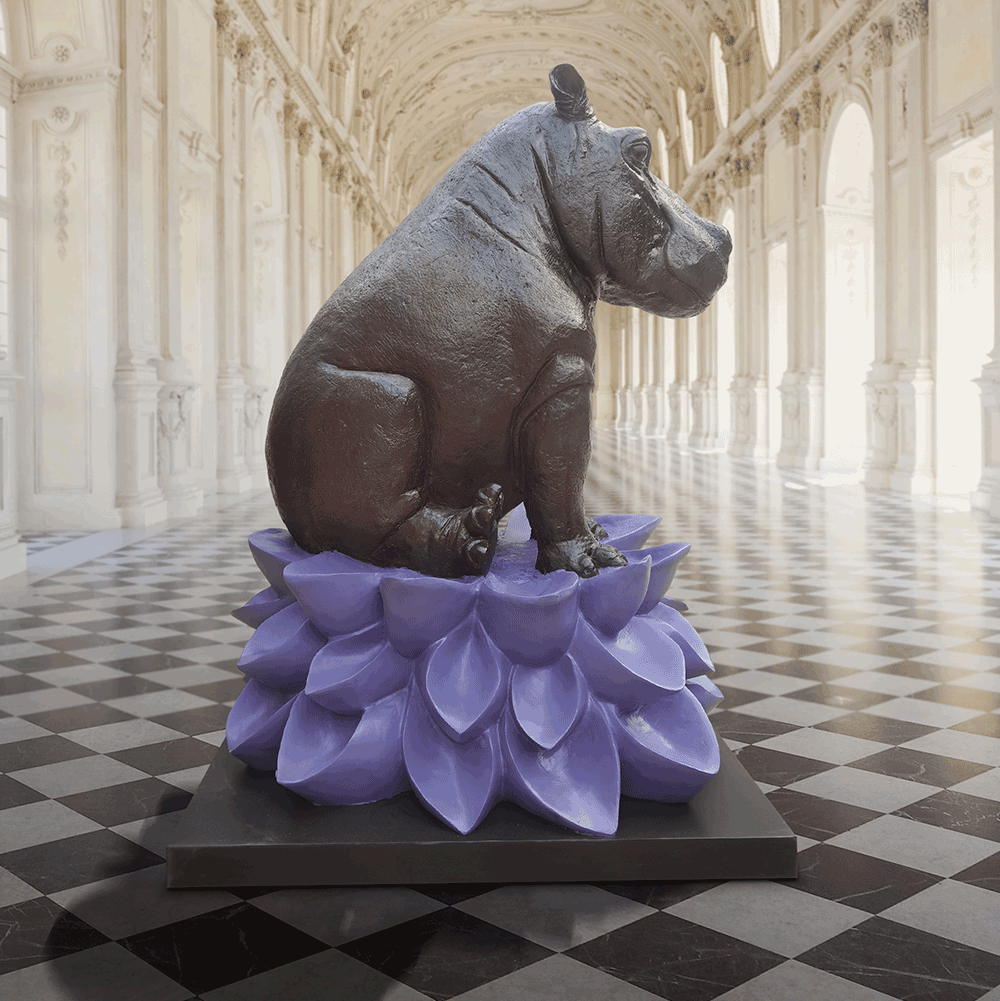
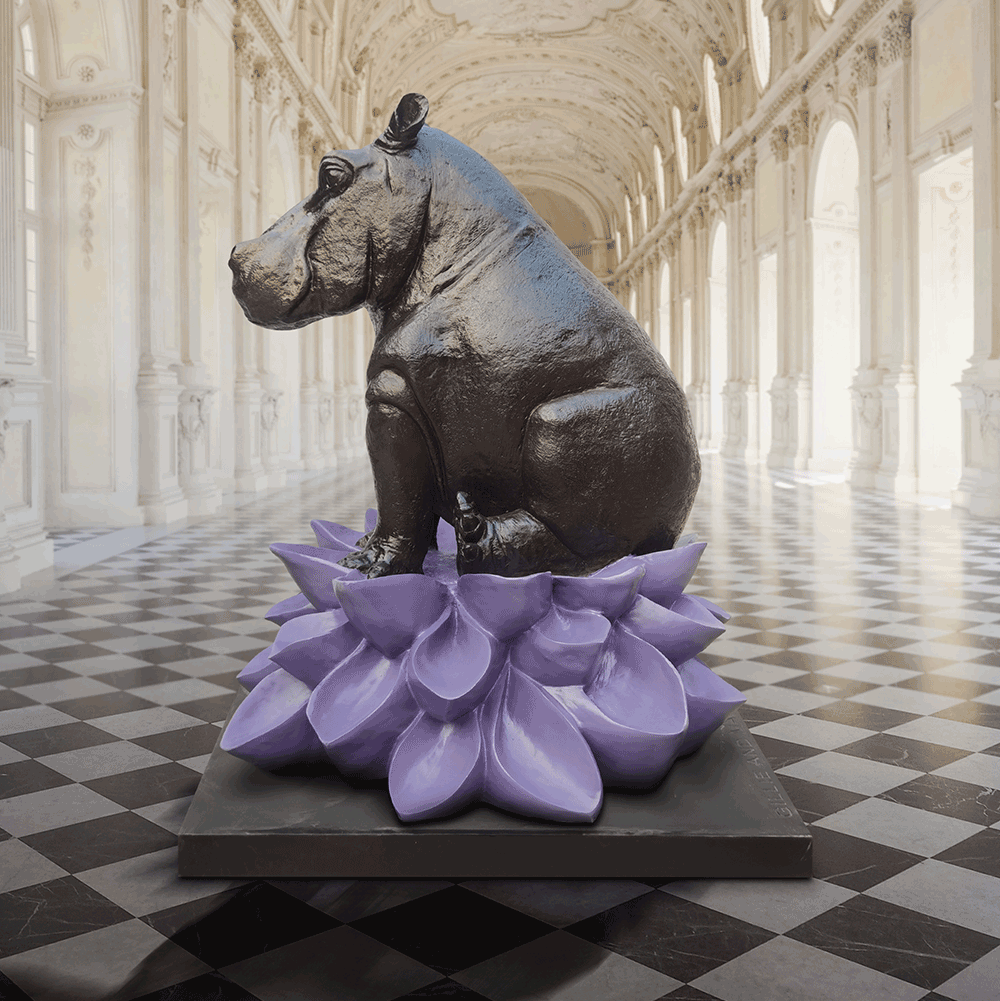
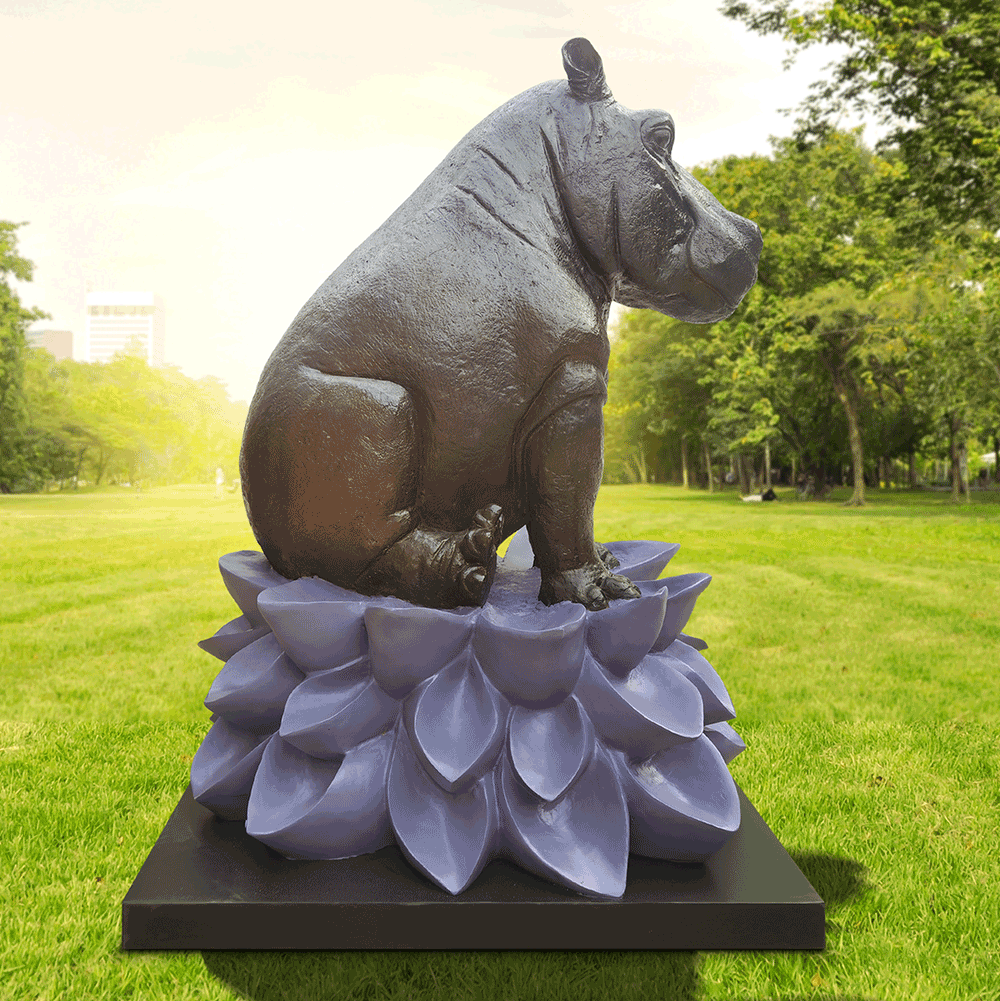
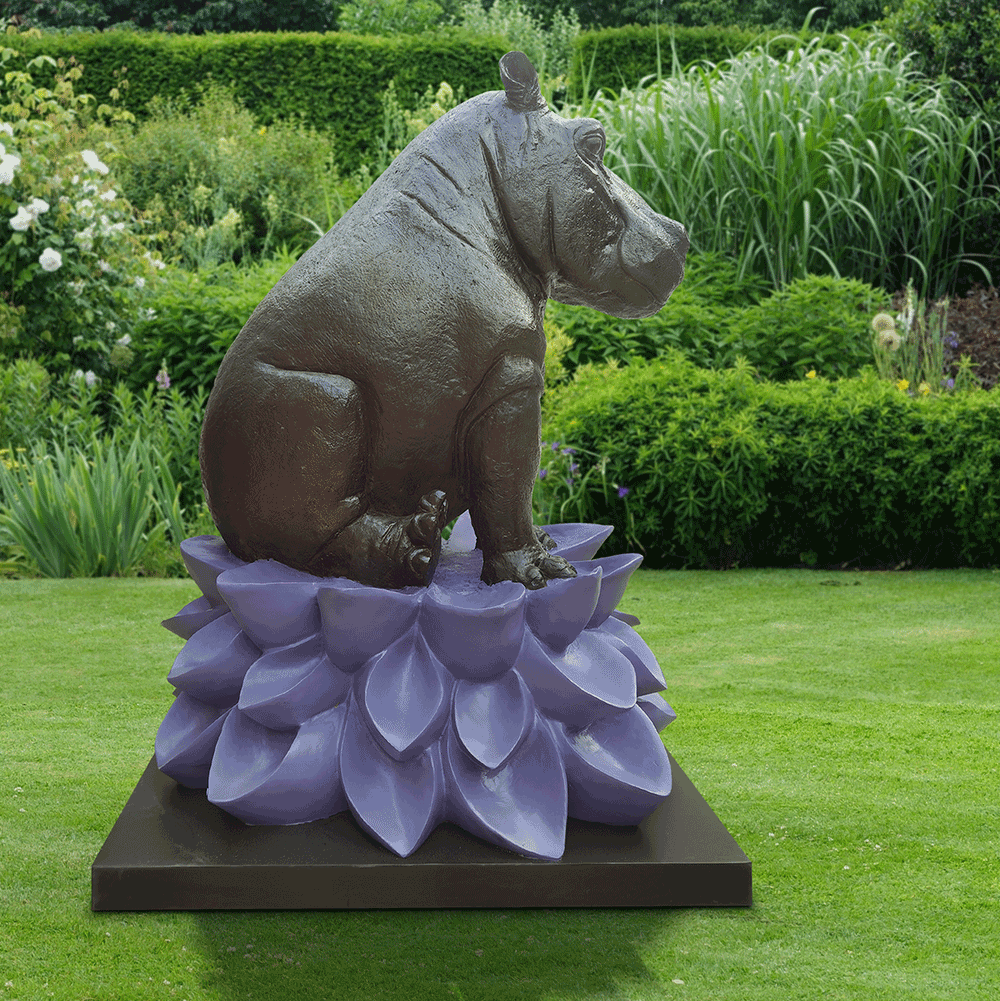
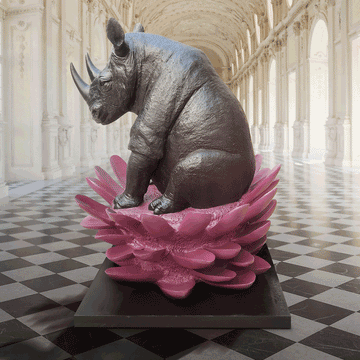
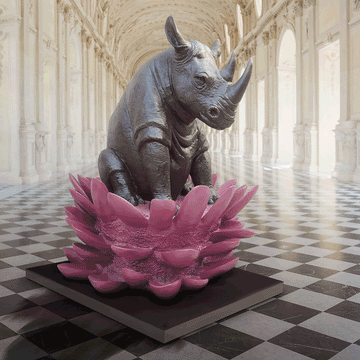
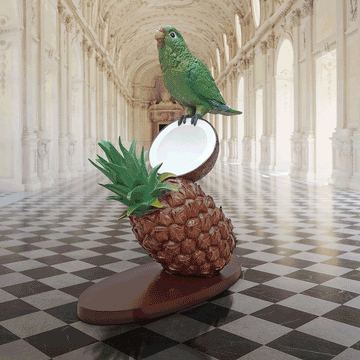
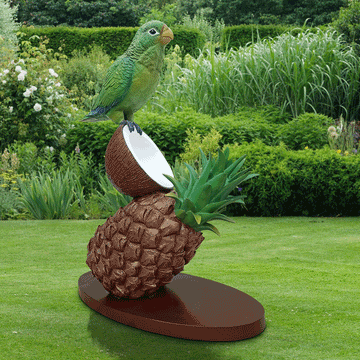
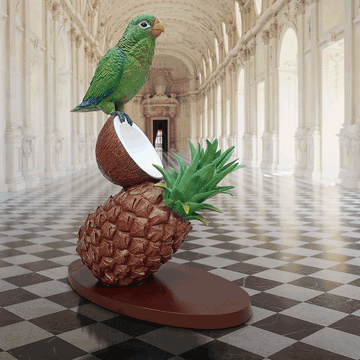
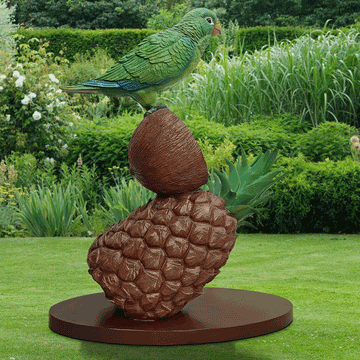
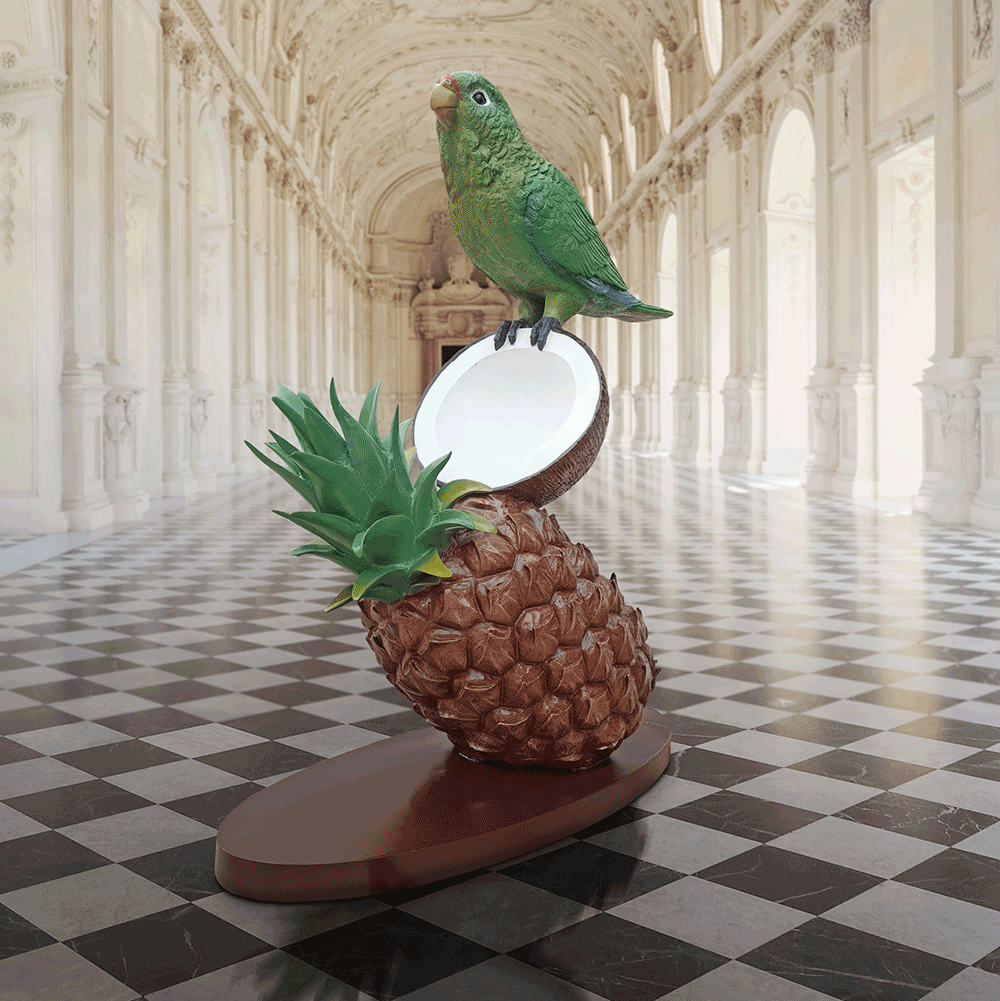
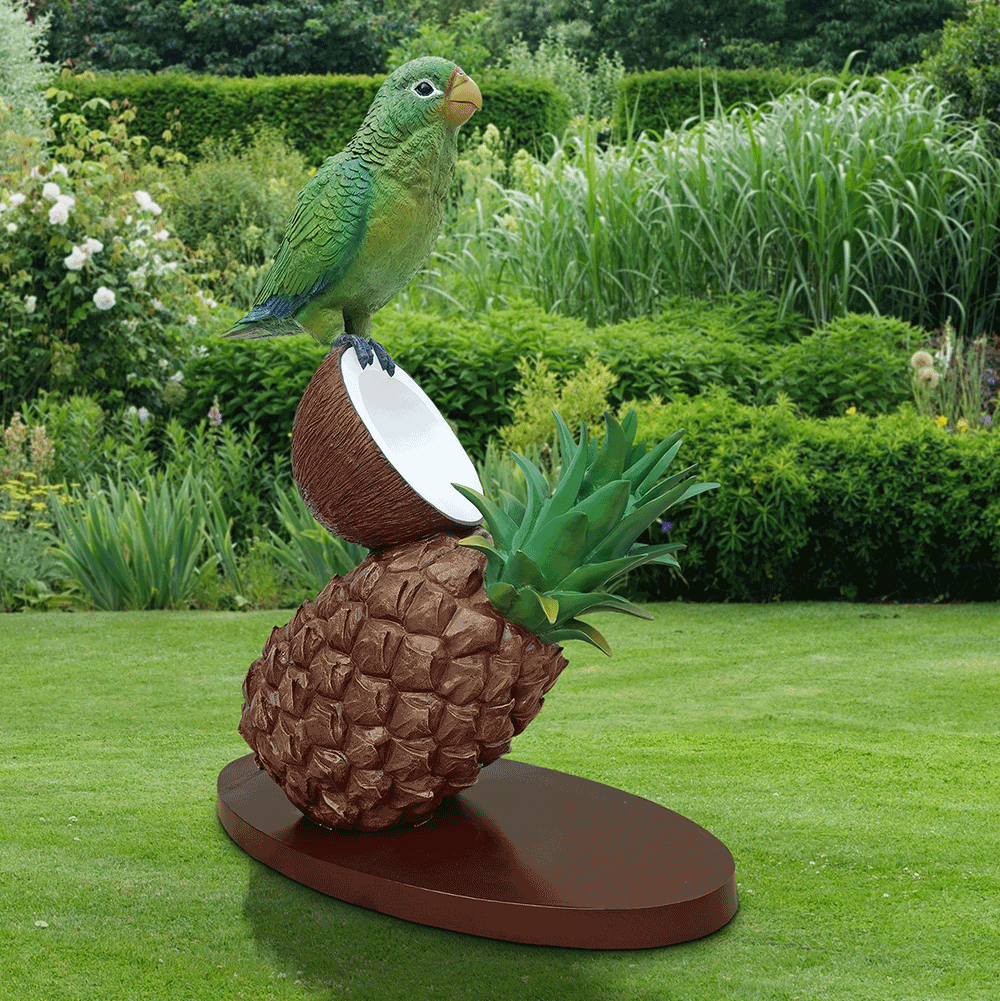
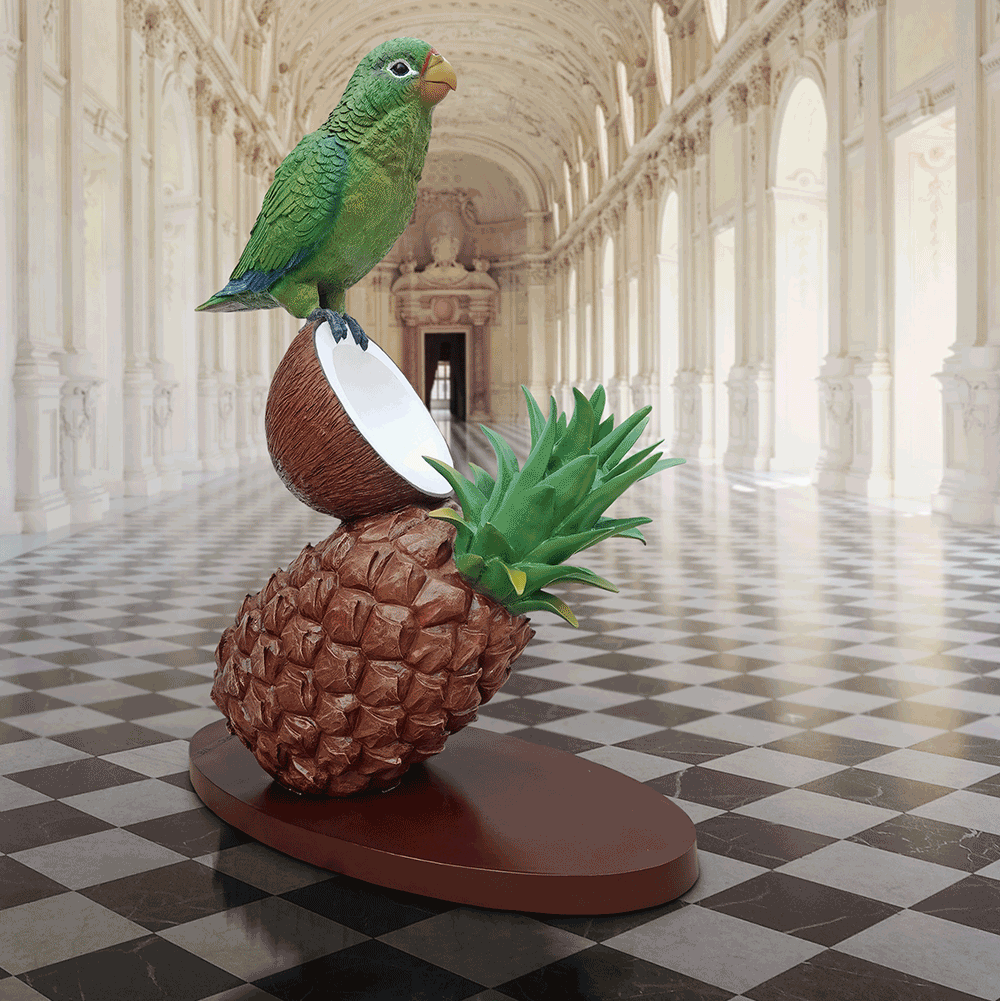
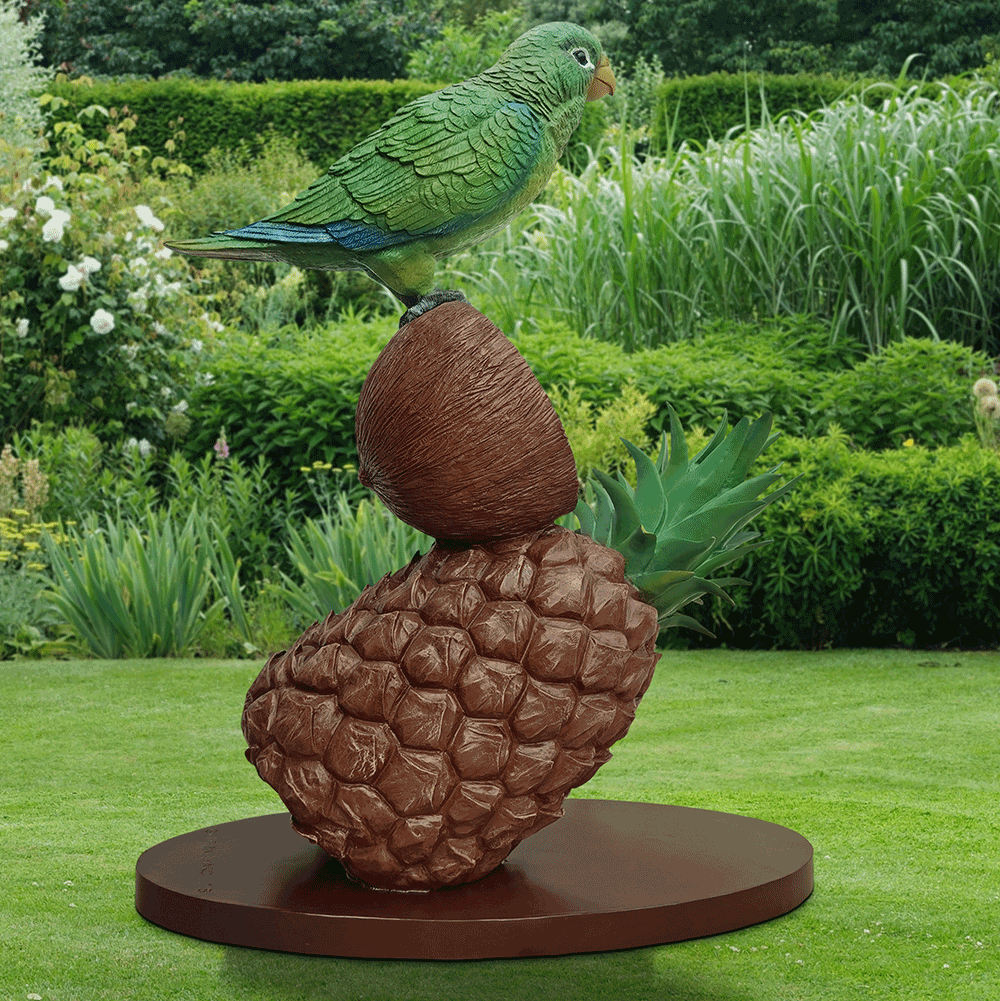
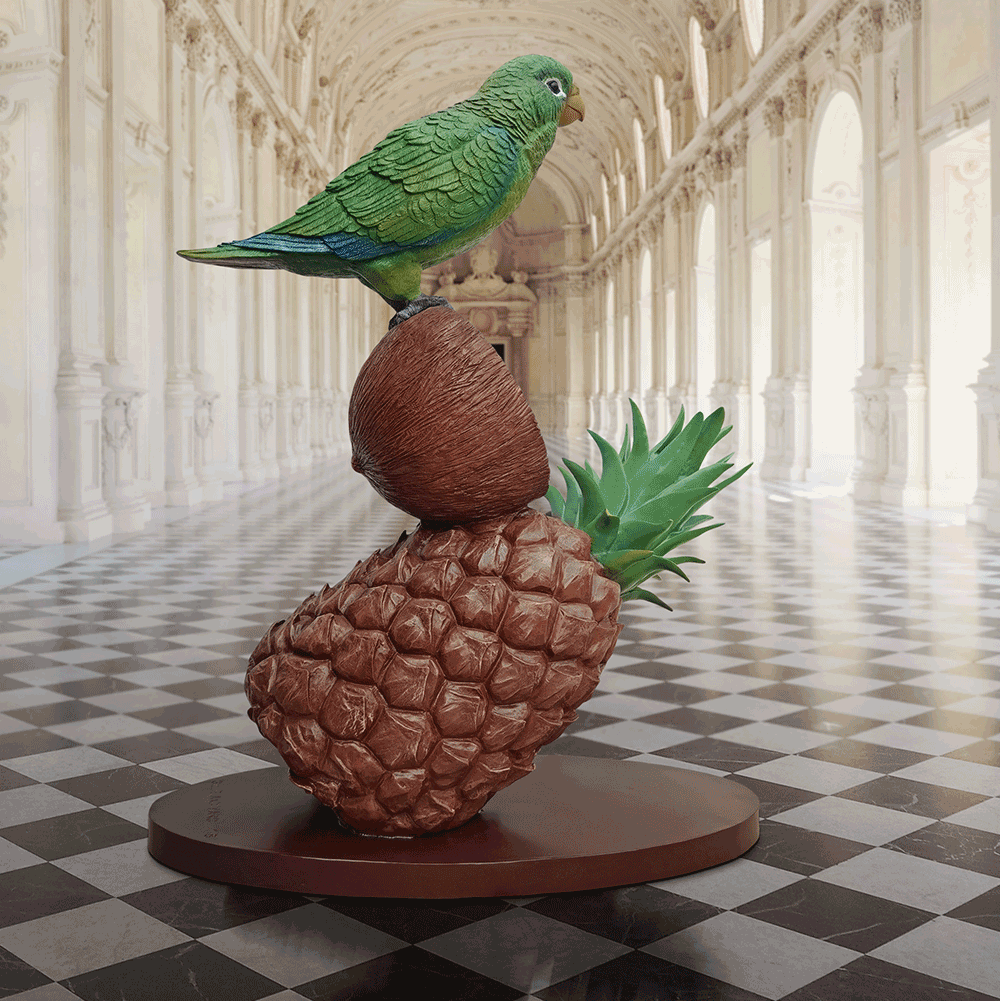
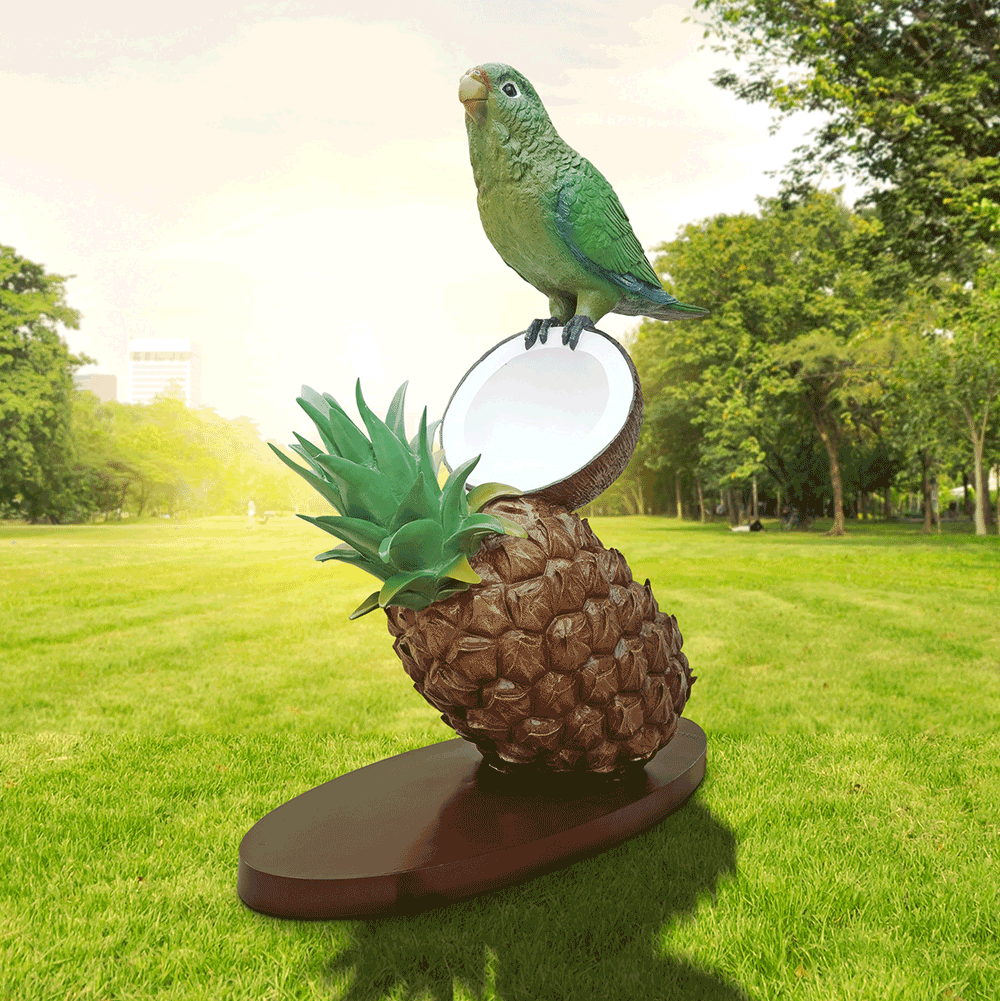
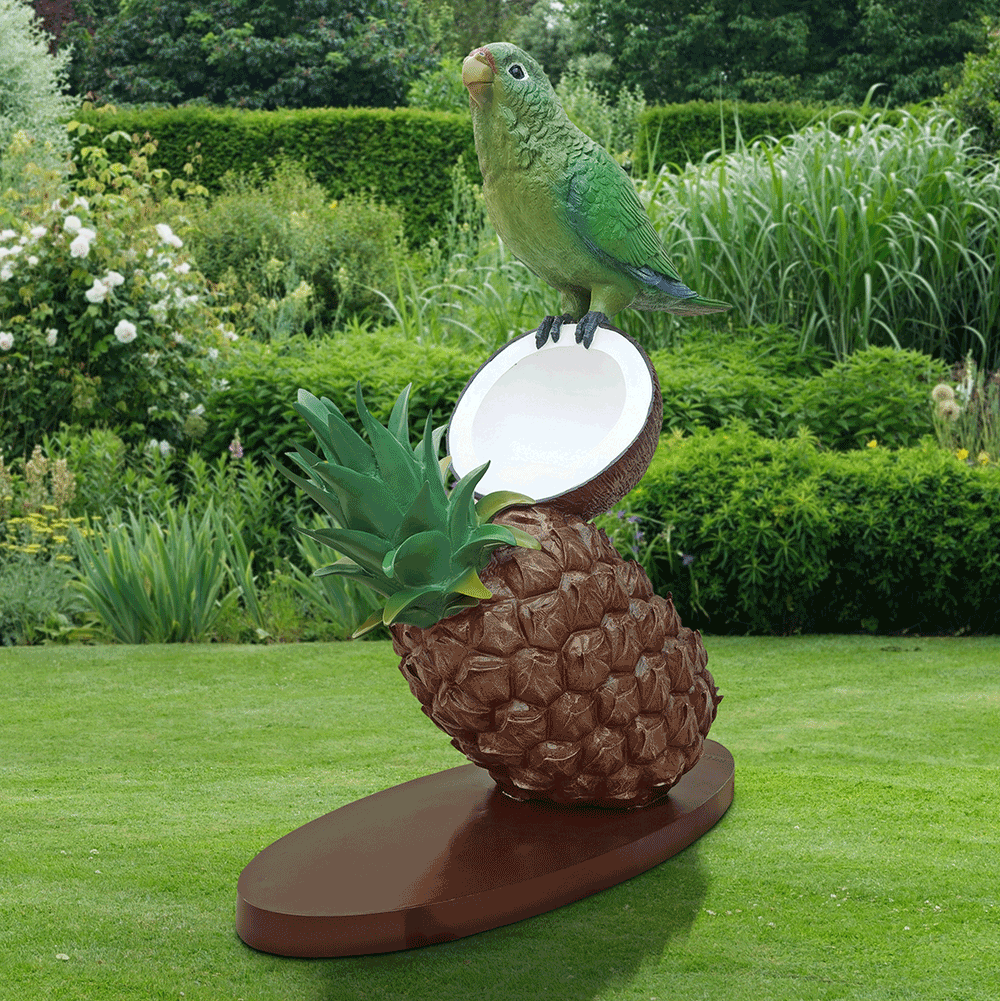
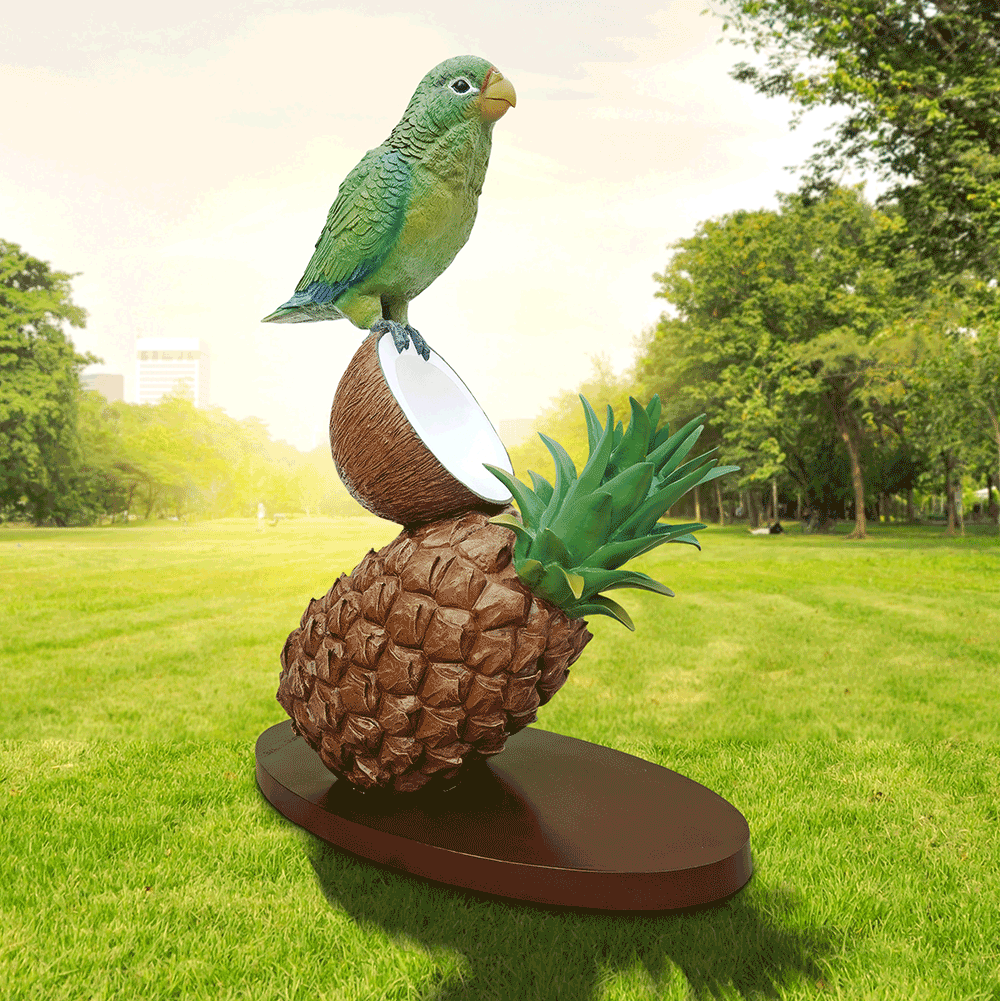
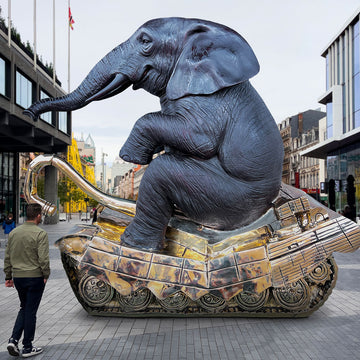
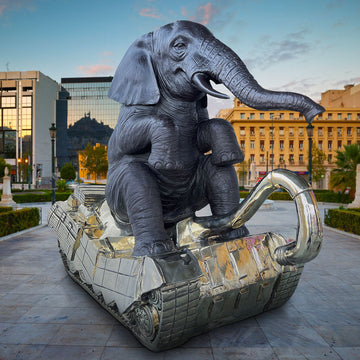
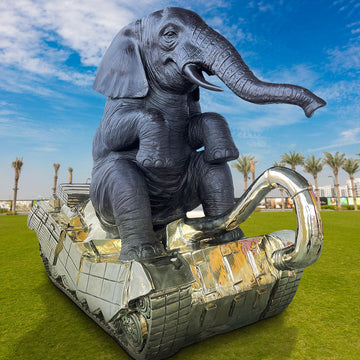
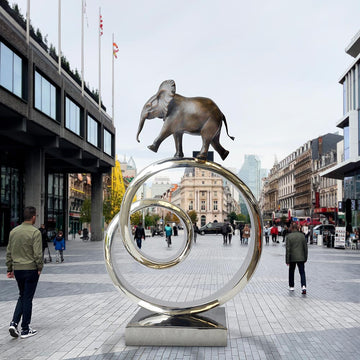
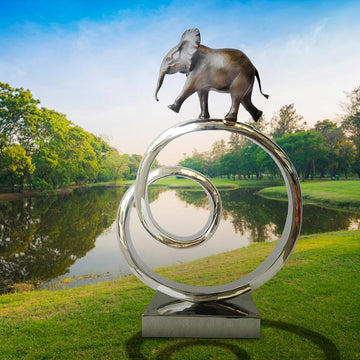
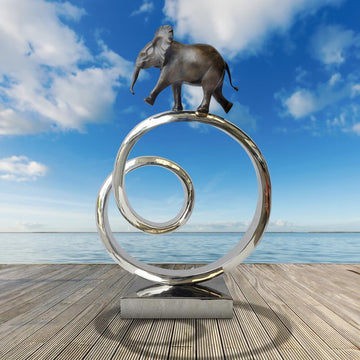
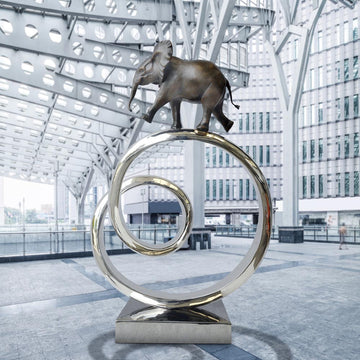
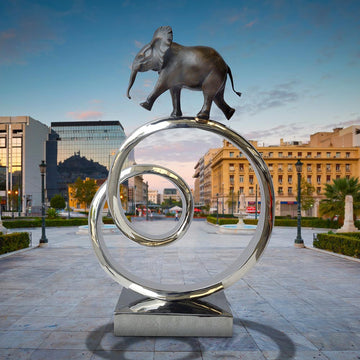
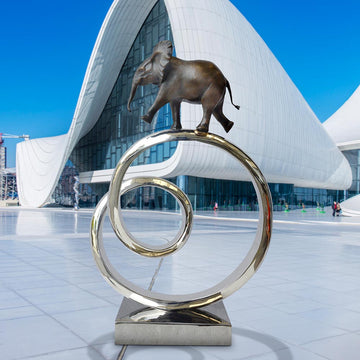
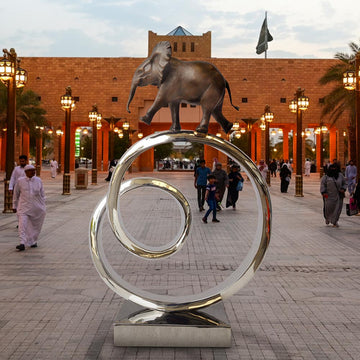
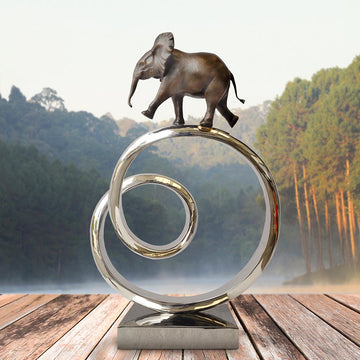
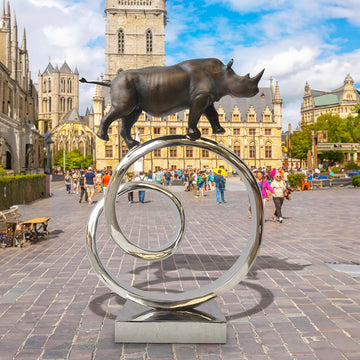
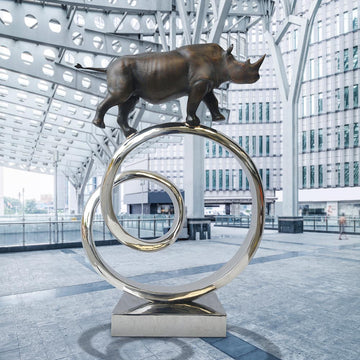
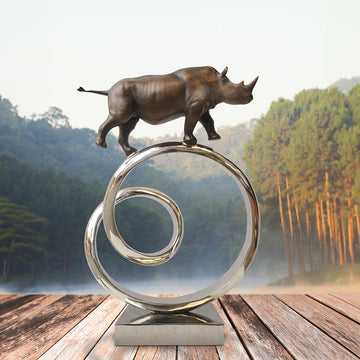
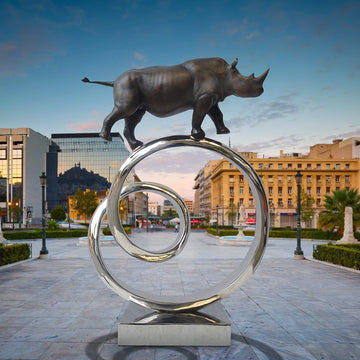
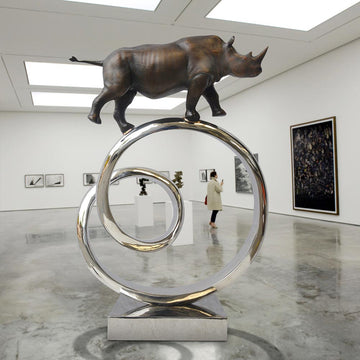
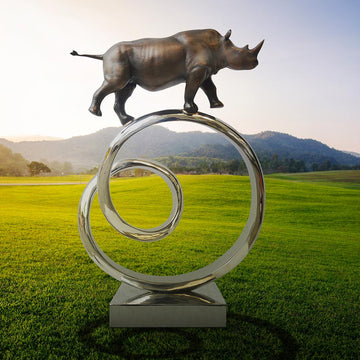
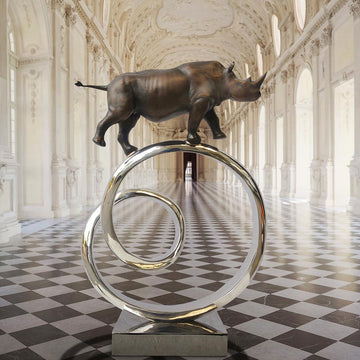
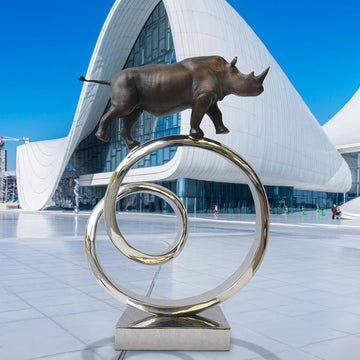
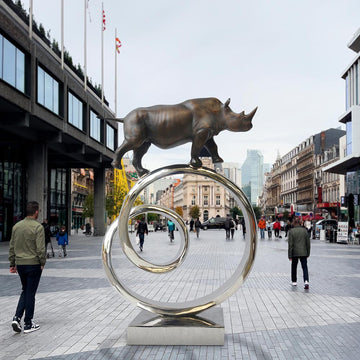
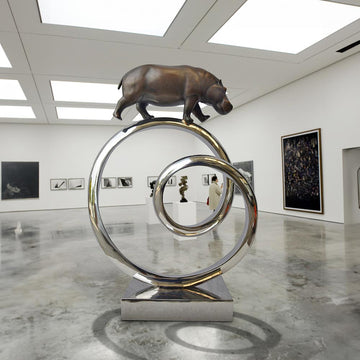
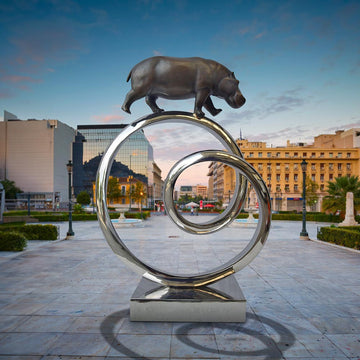
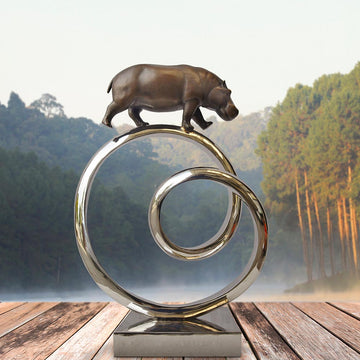
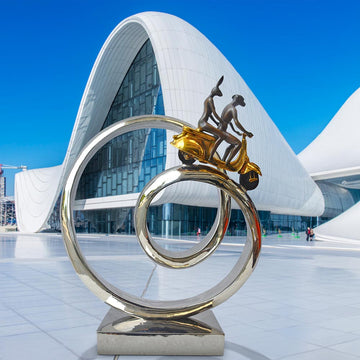
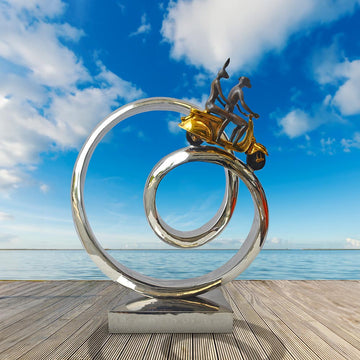
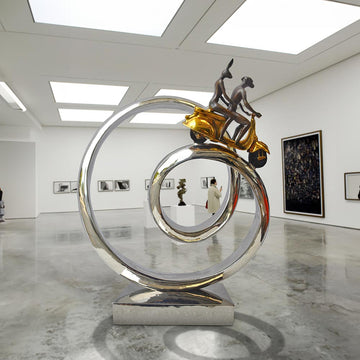
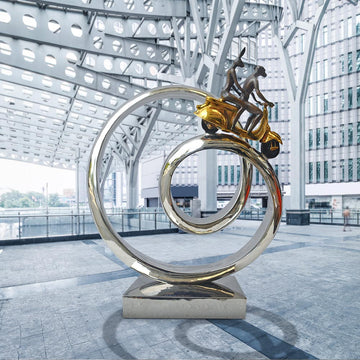
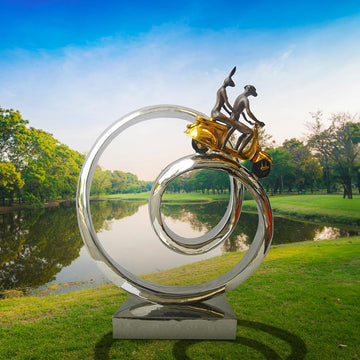
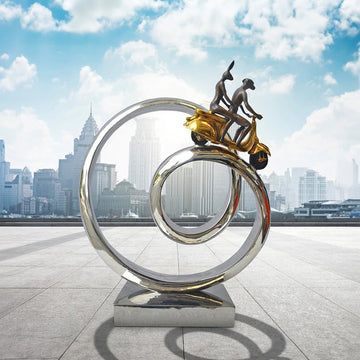
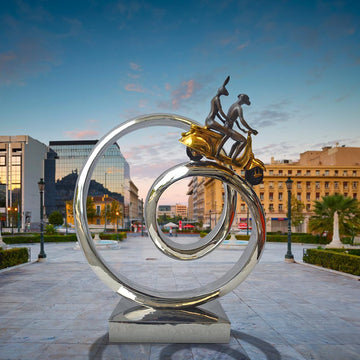
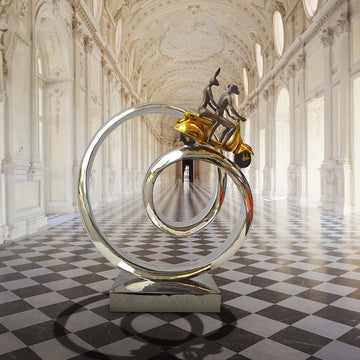
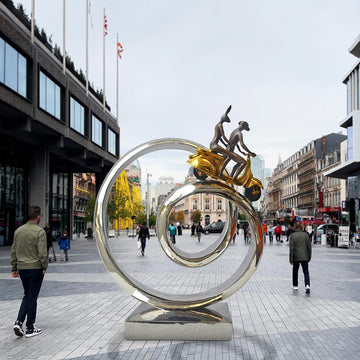
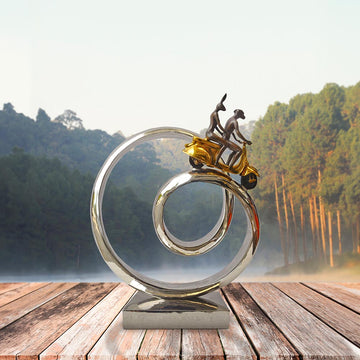
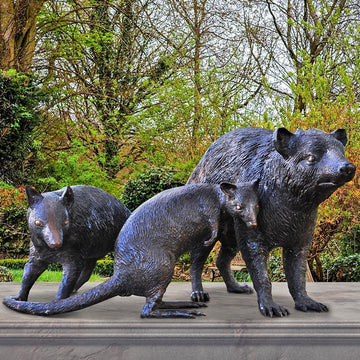
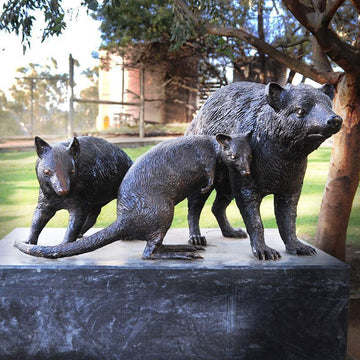
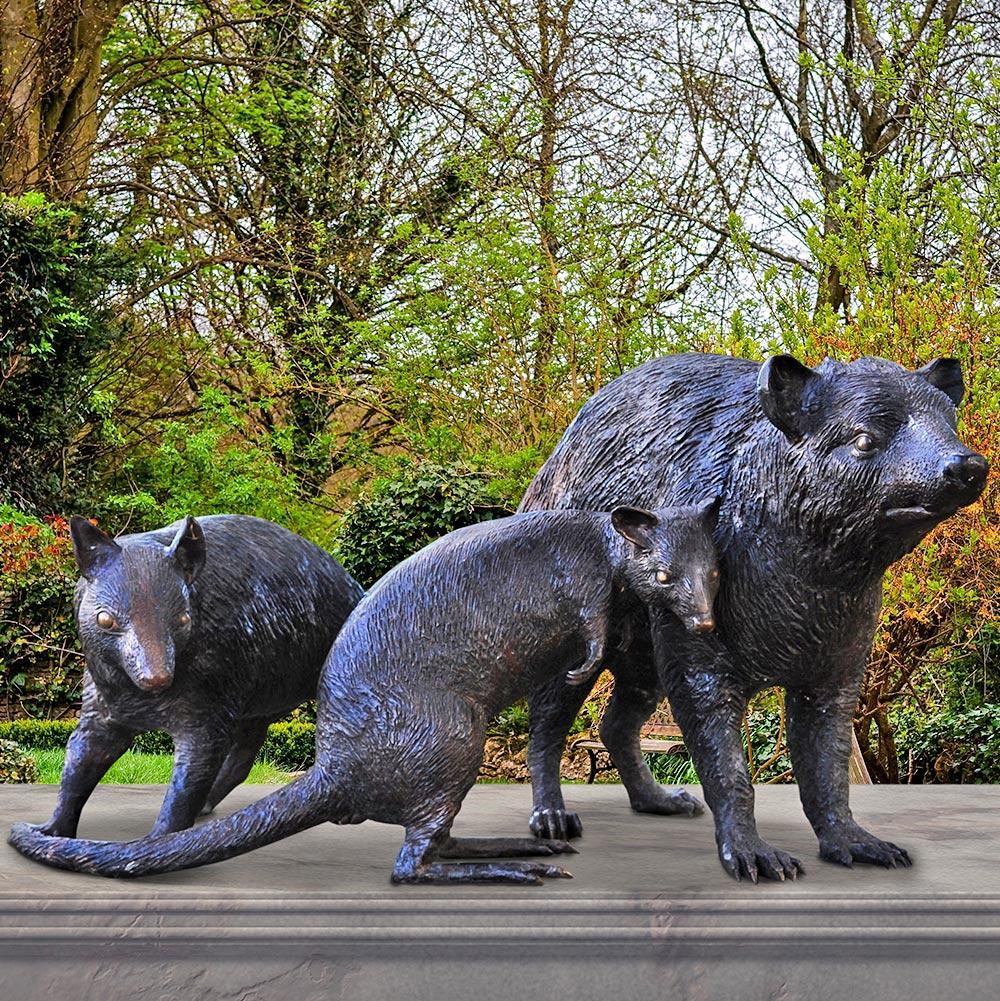
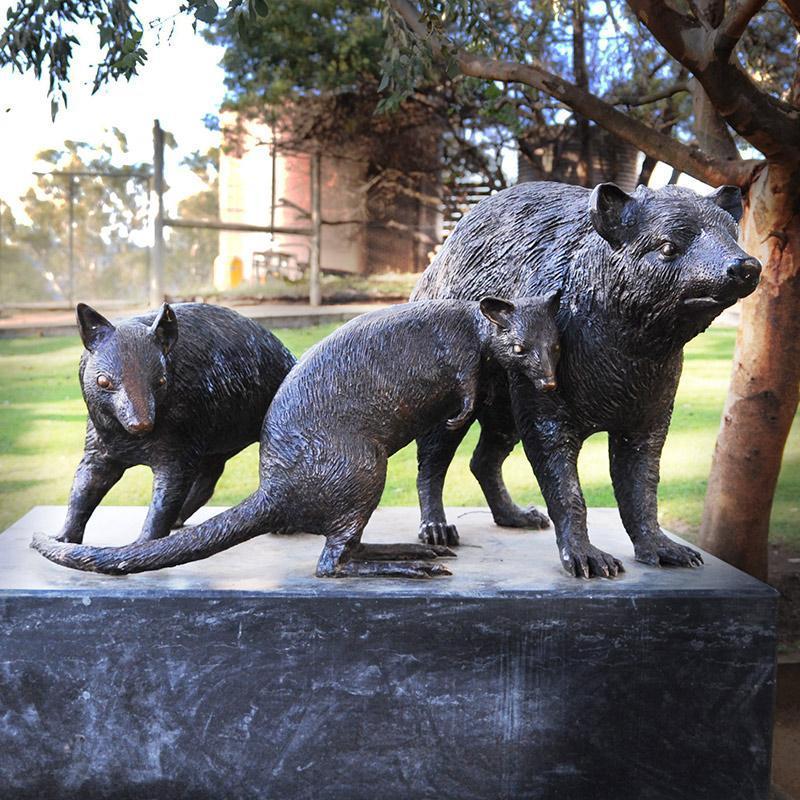
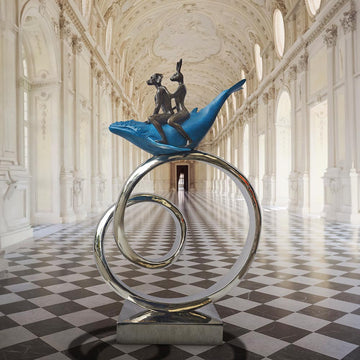
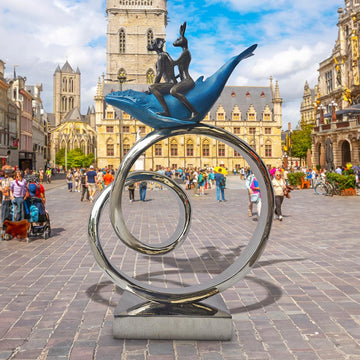
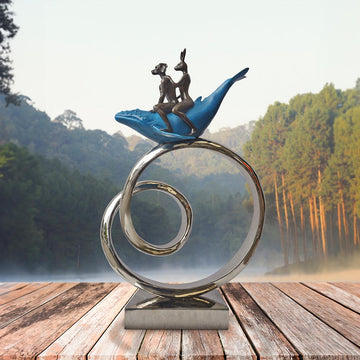
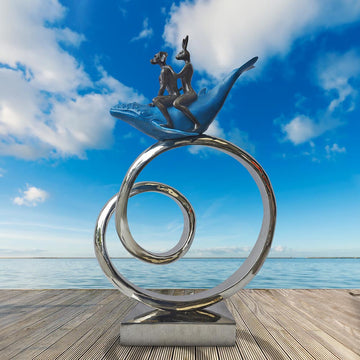
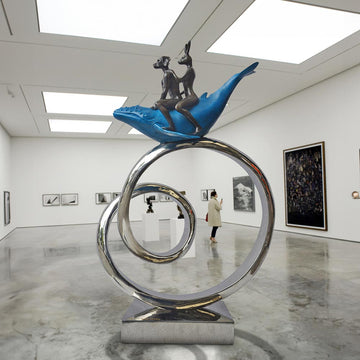
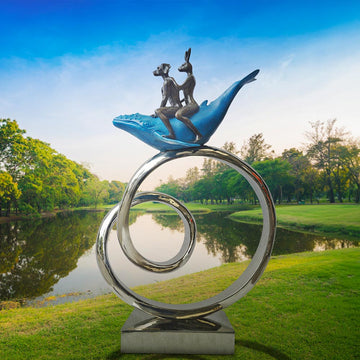
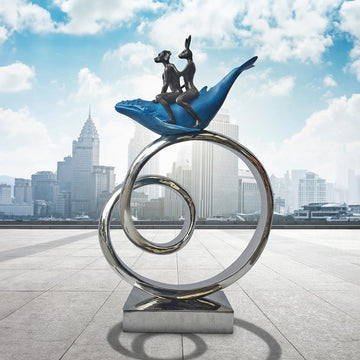
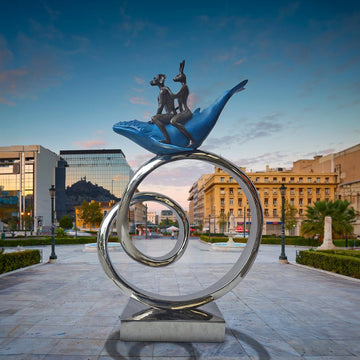
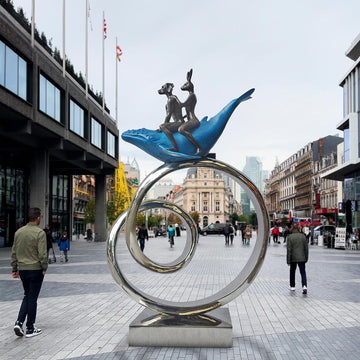
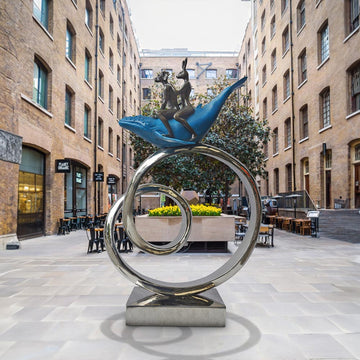
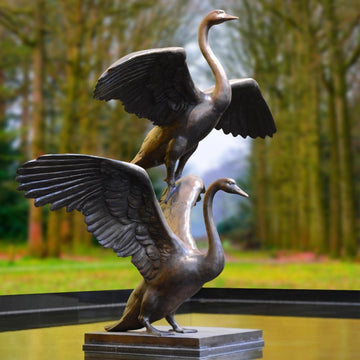
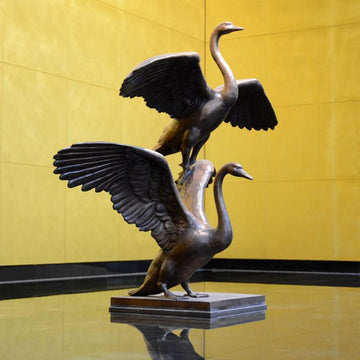
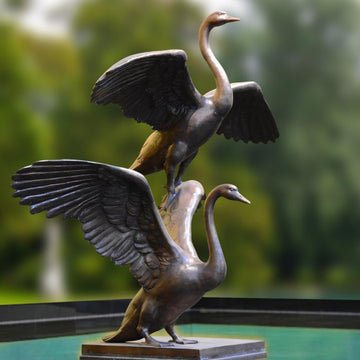
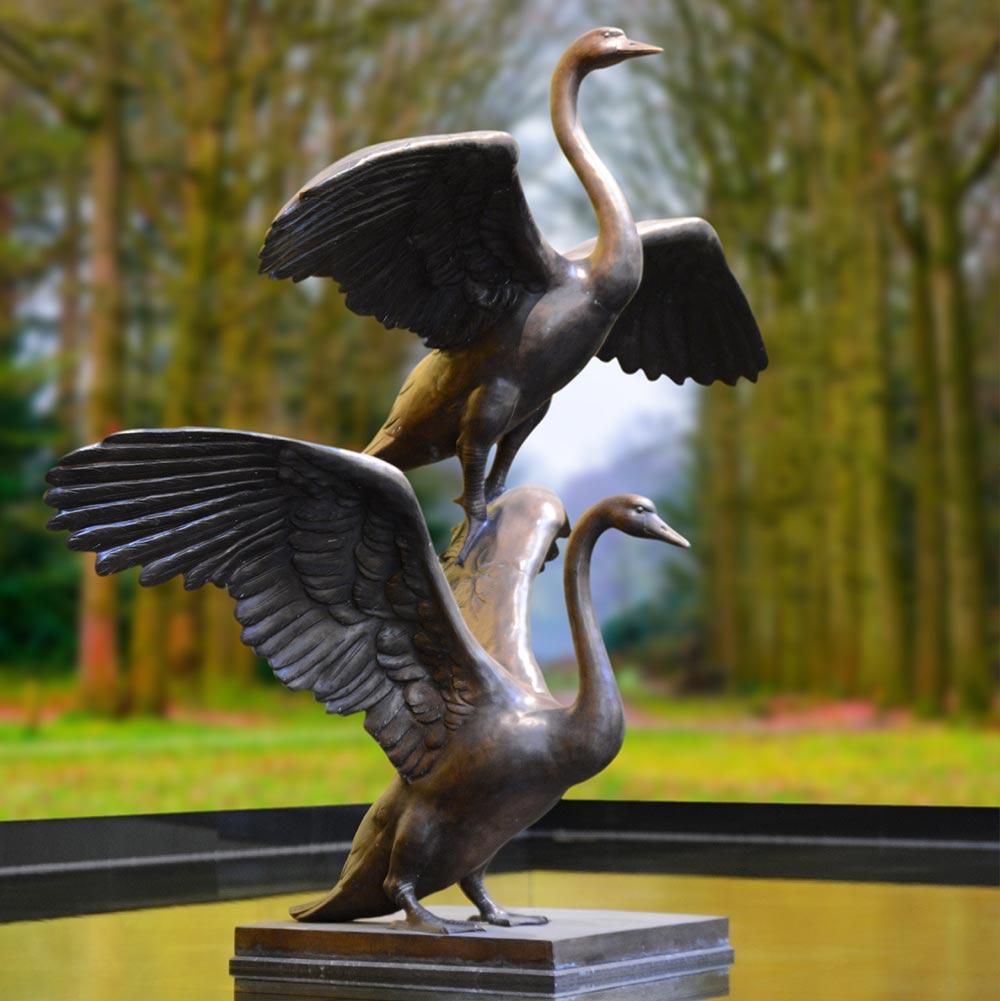
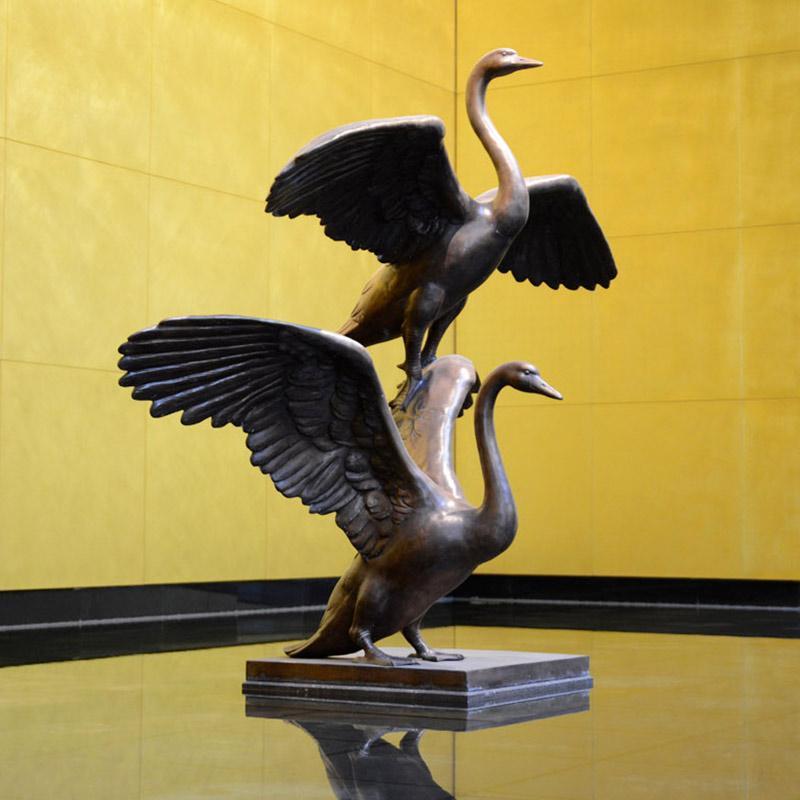
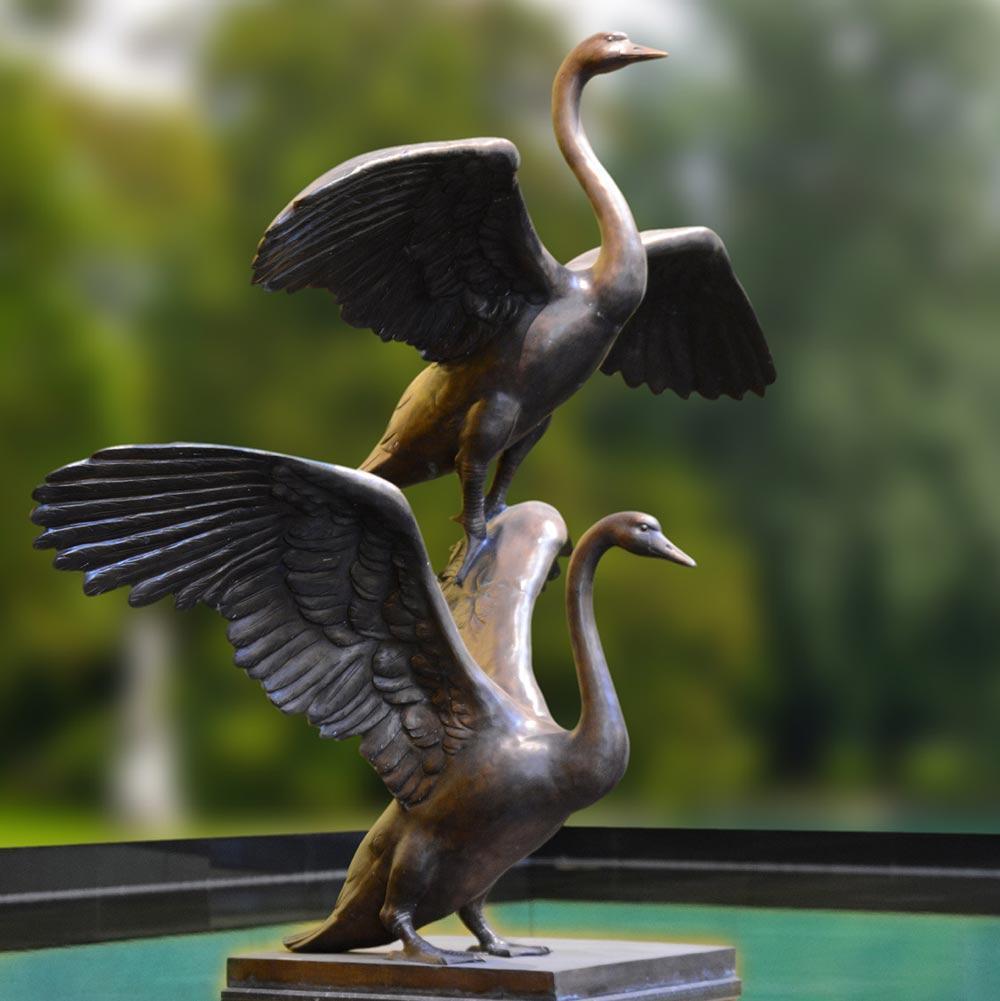
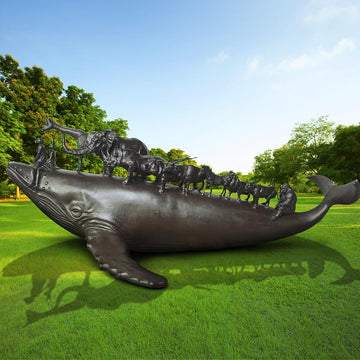
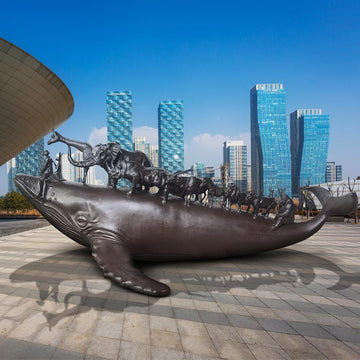
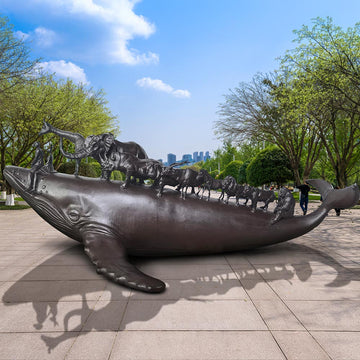
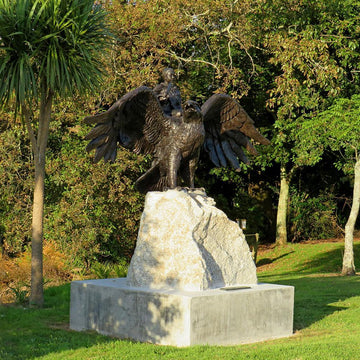
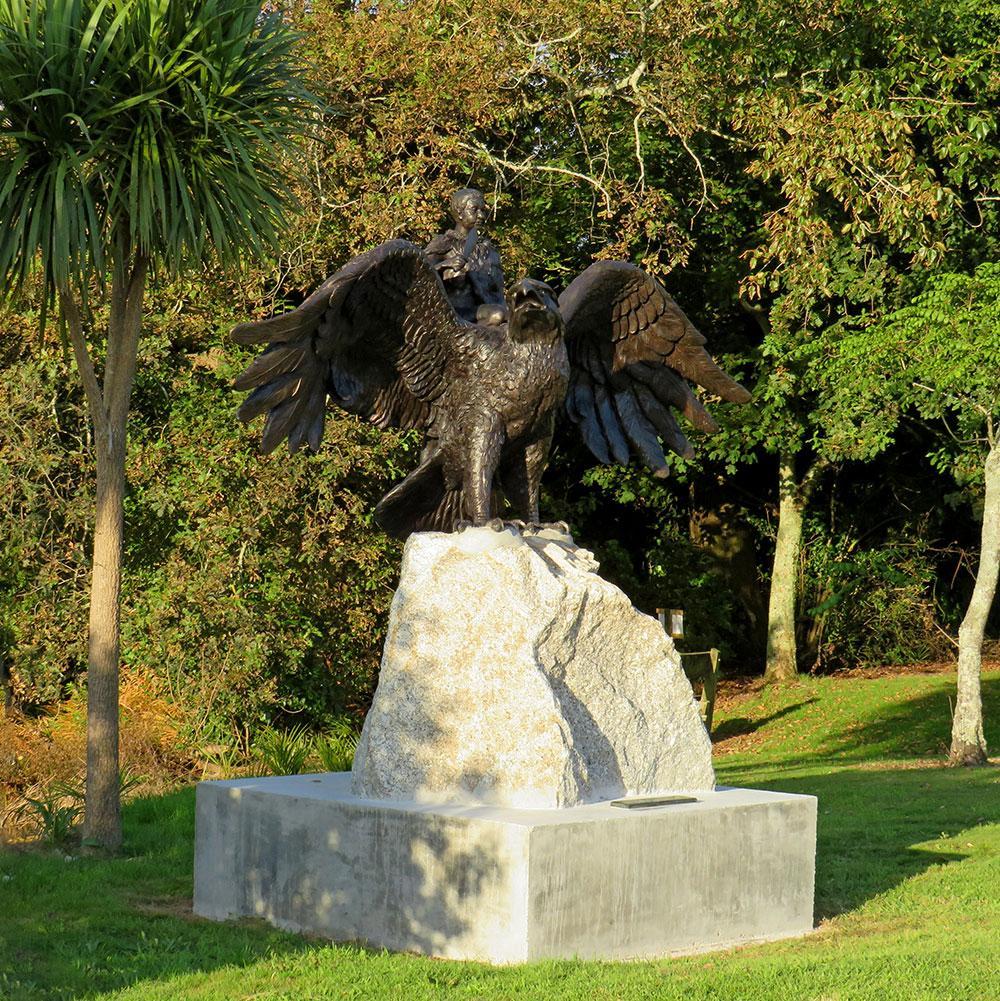
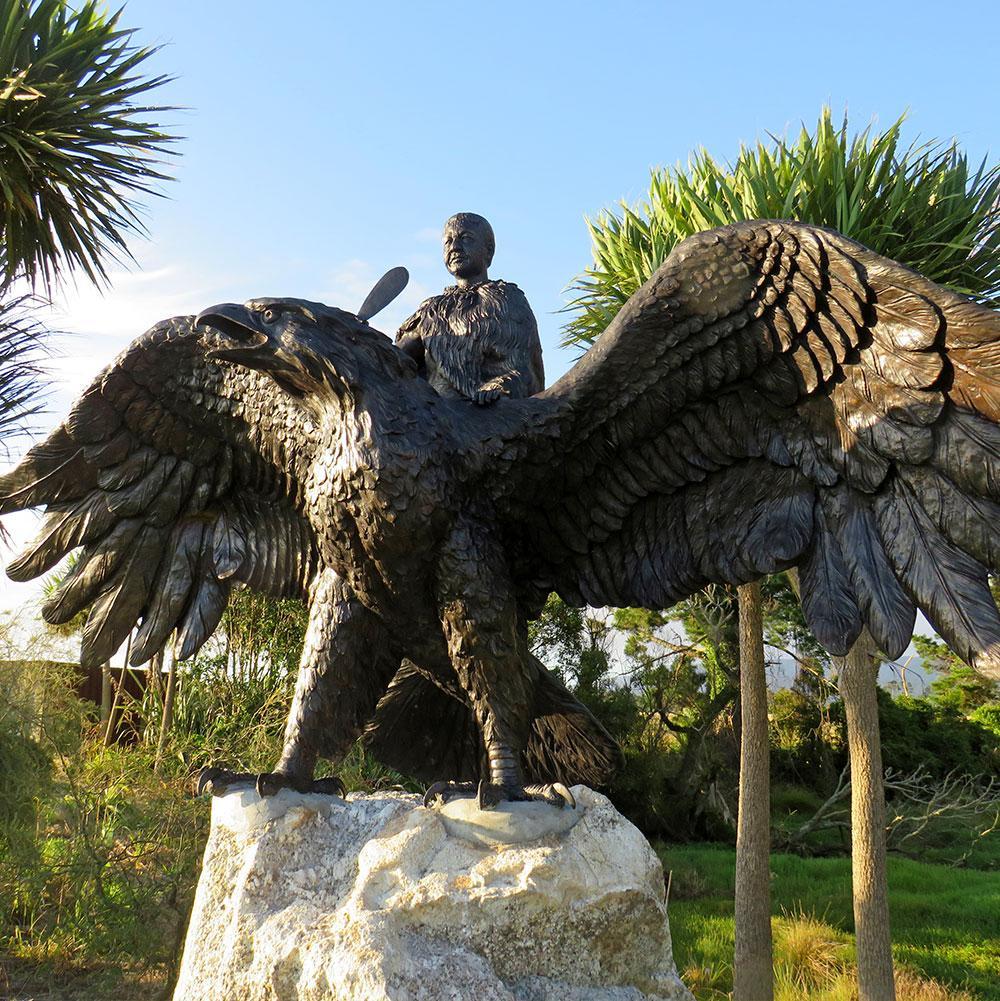
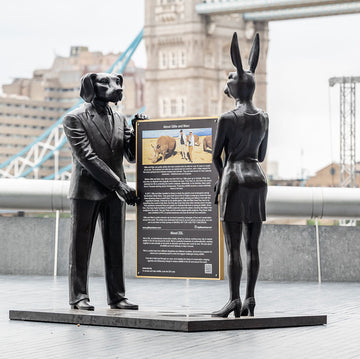
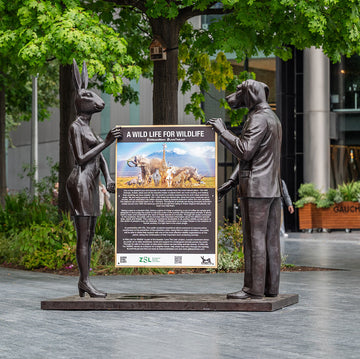
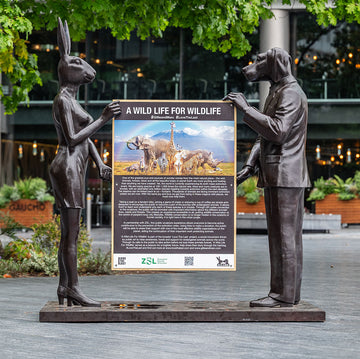
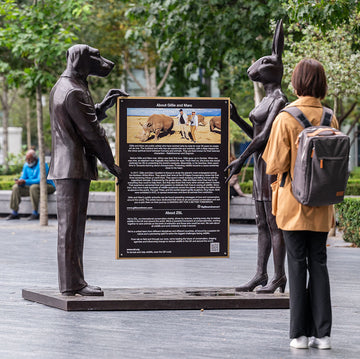
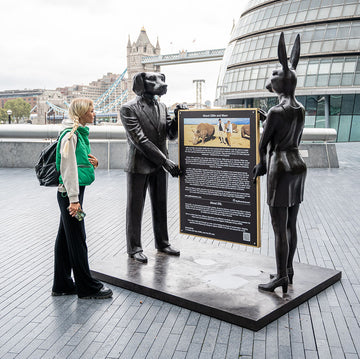
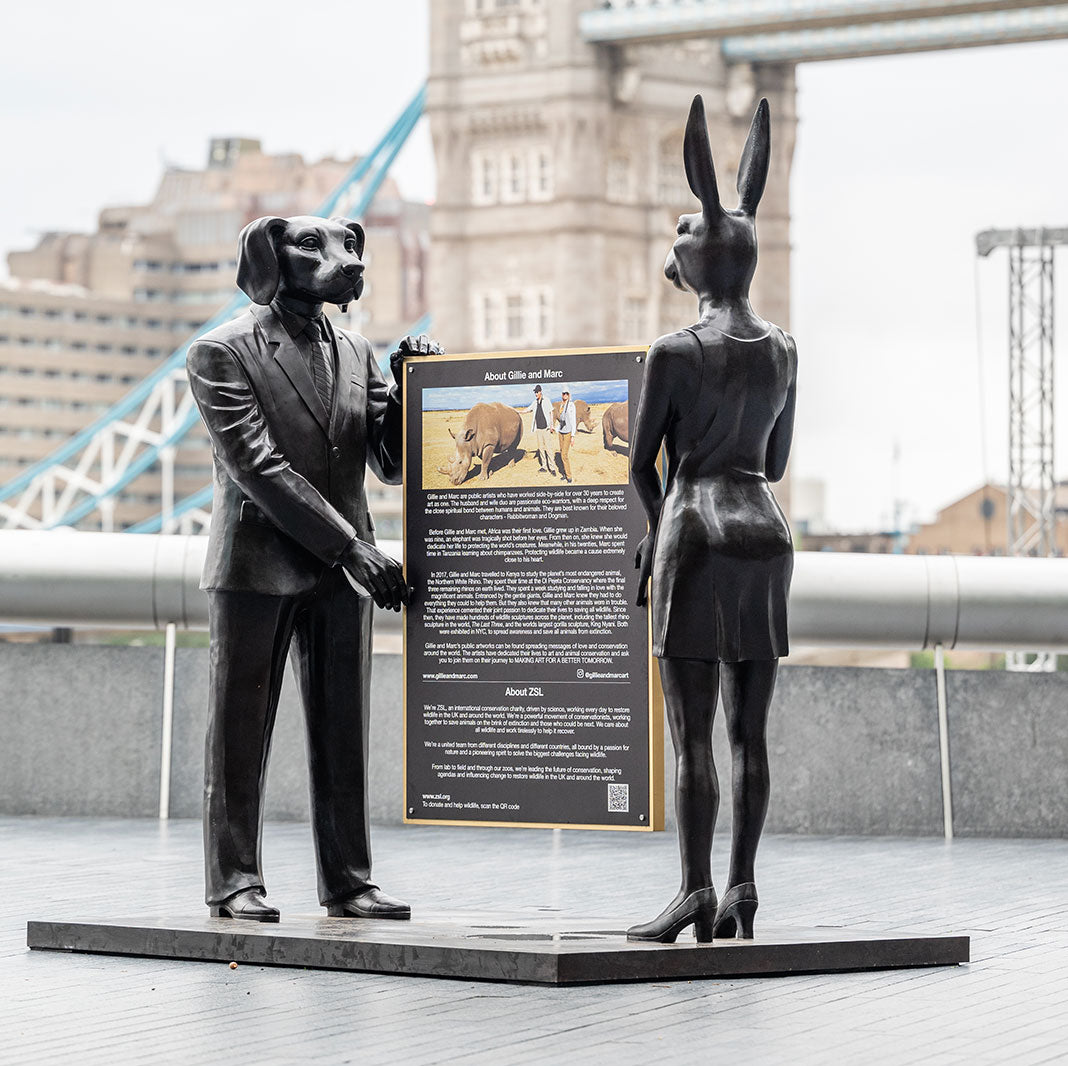
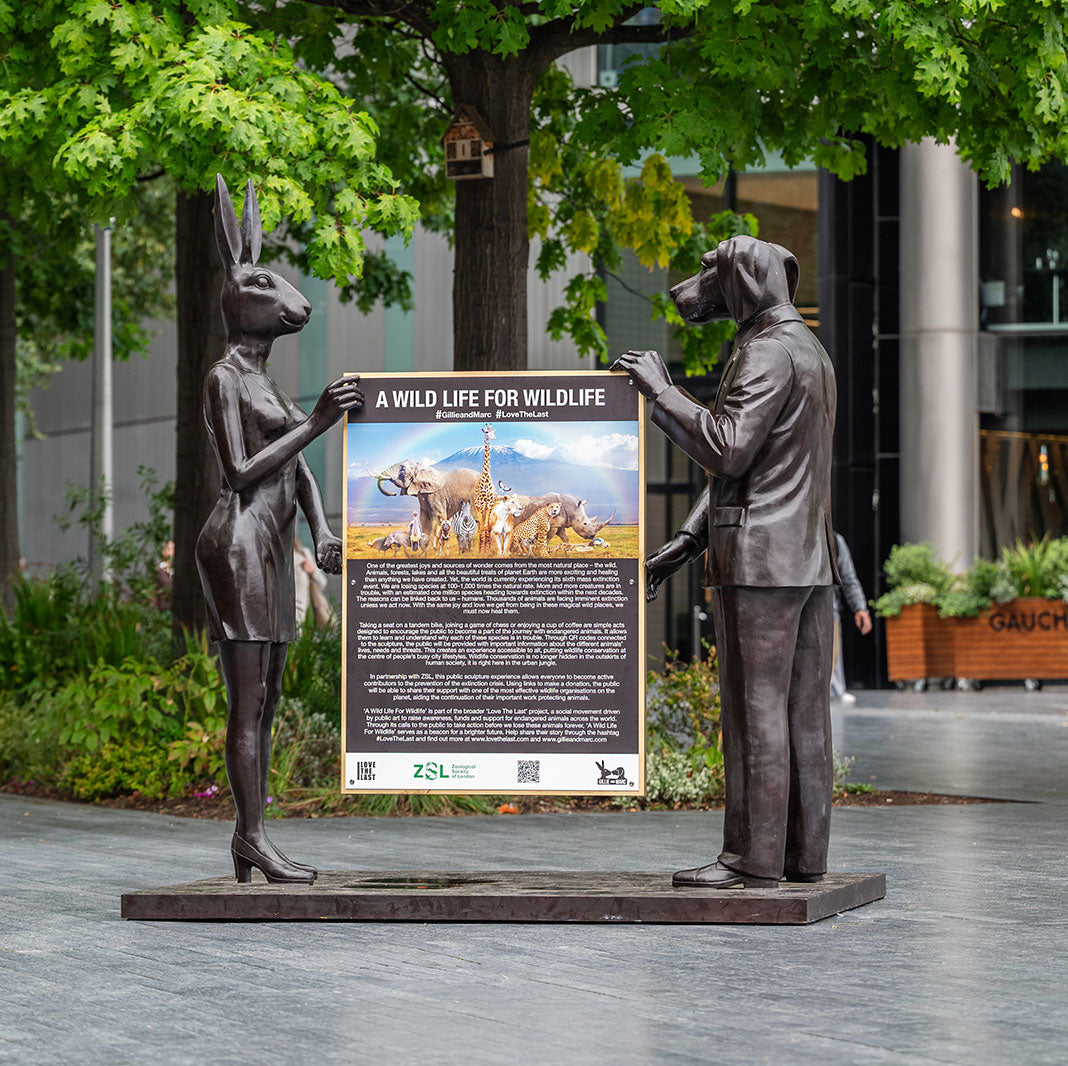
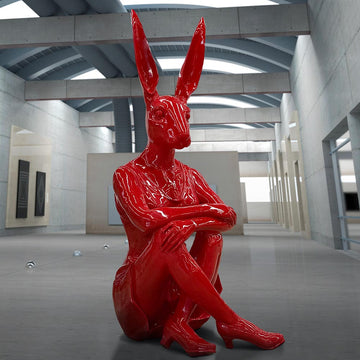
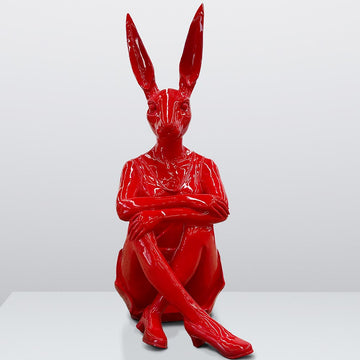
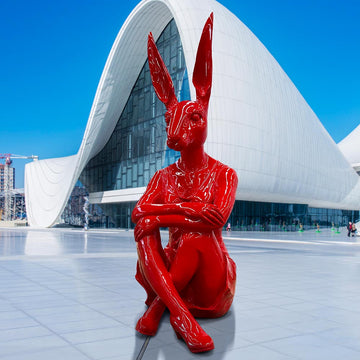
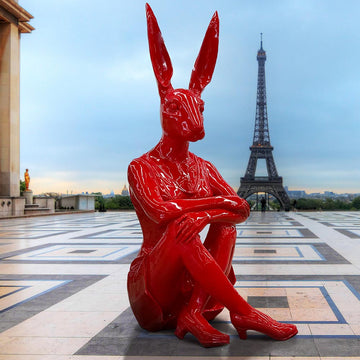
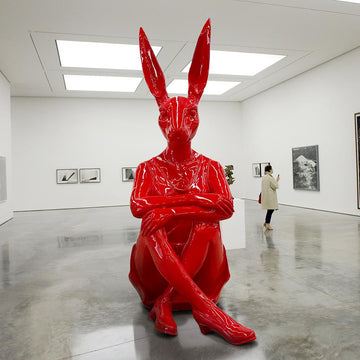
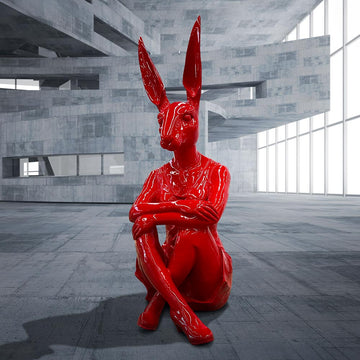
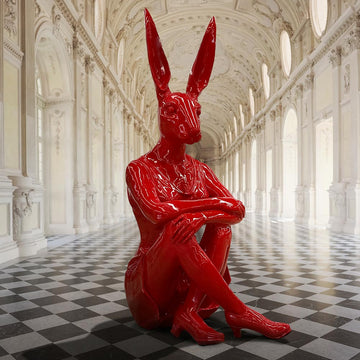
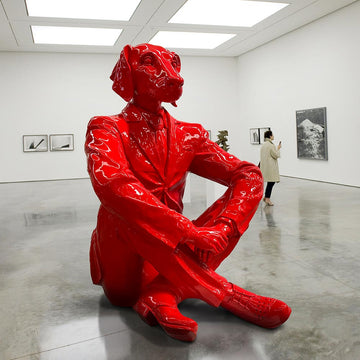
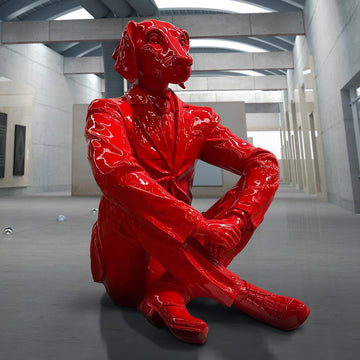
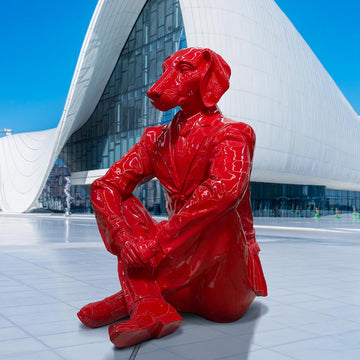
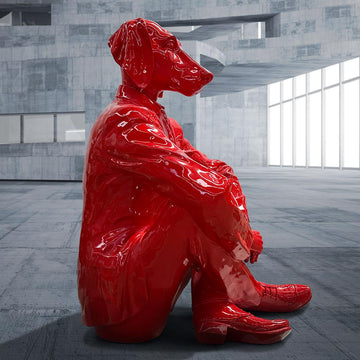
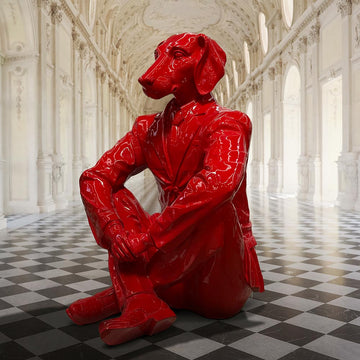
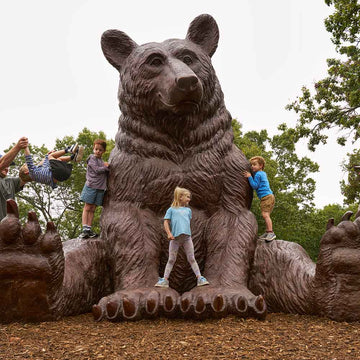
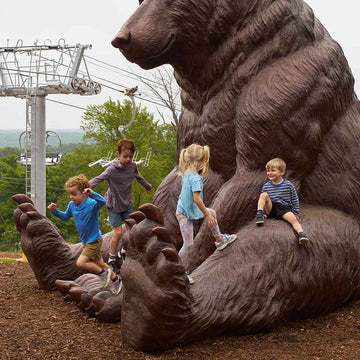
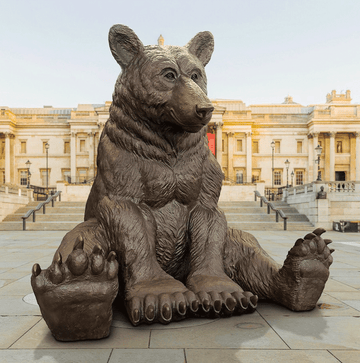
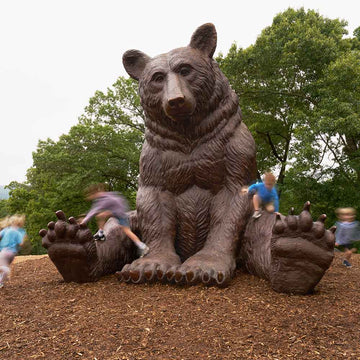
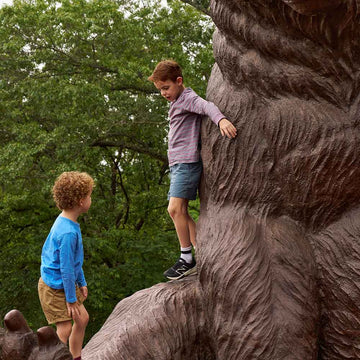
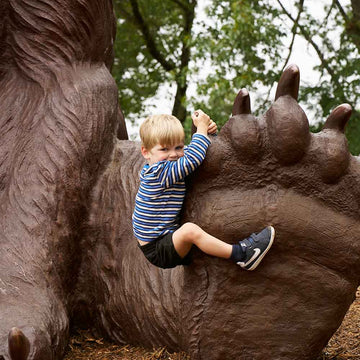
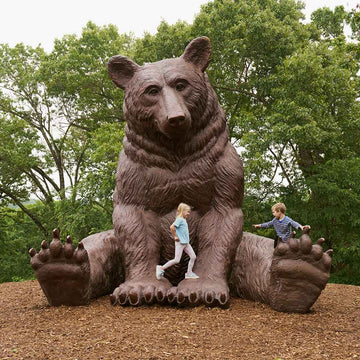
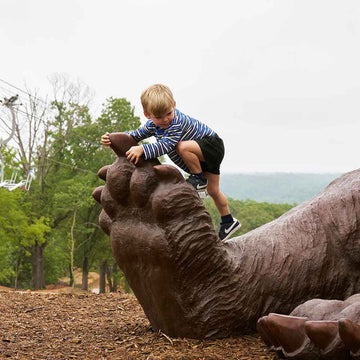
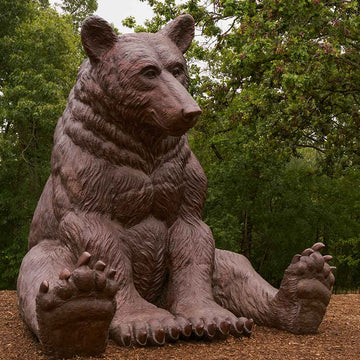
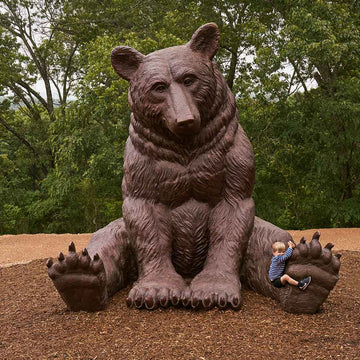
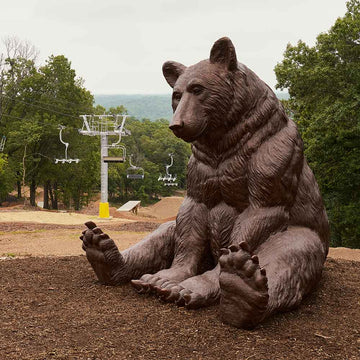
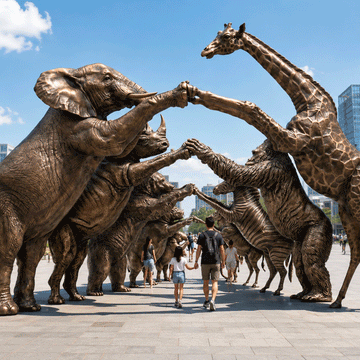
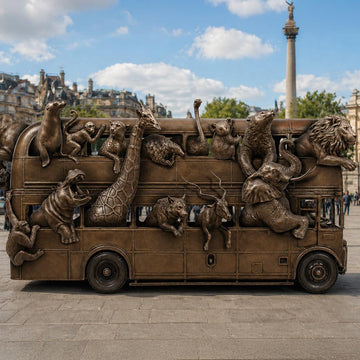
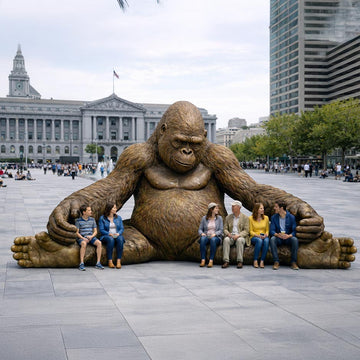
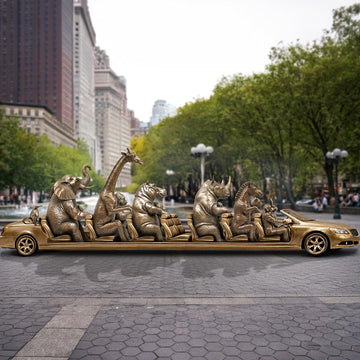
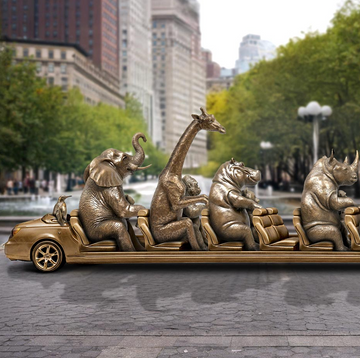
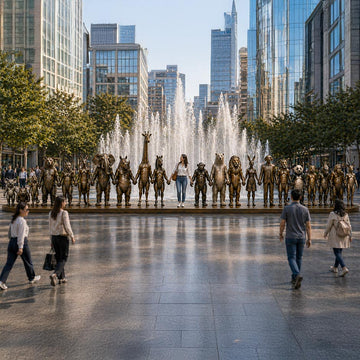
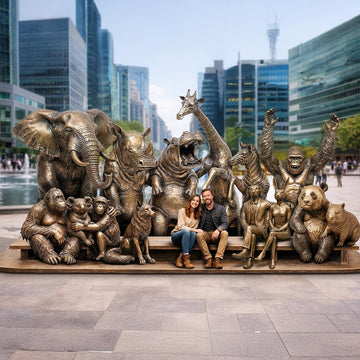
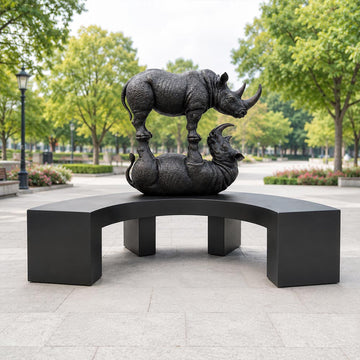
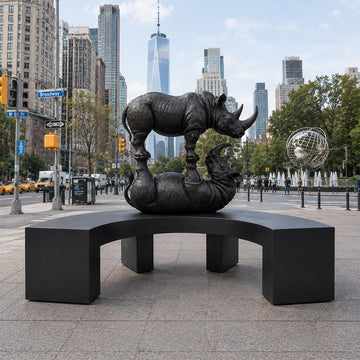
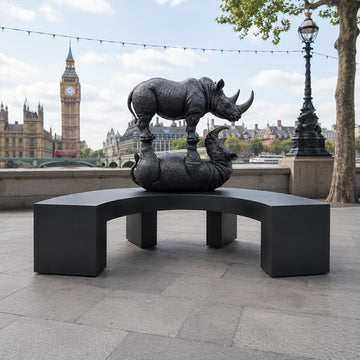
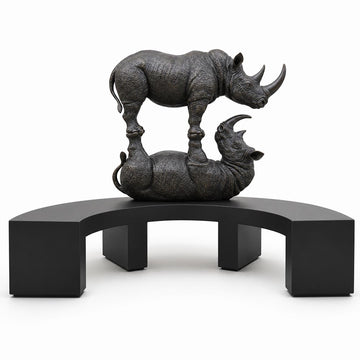
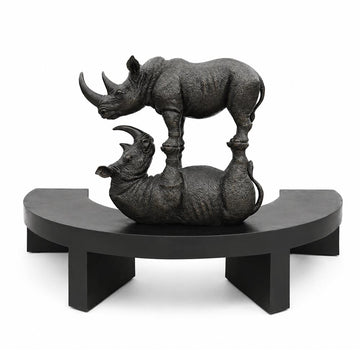
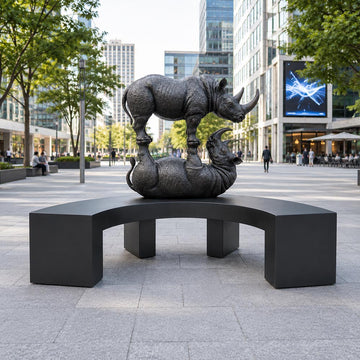
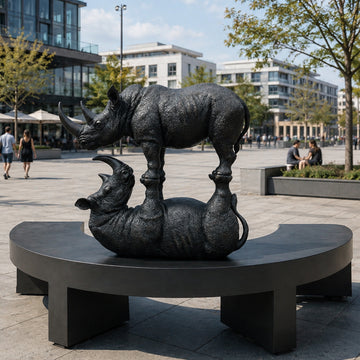
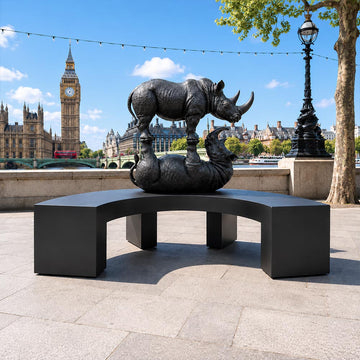
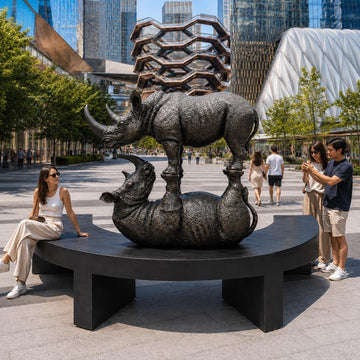
Gardens are beautiful places, bringing a feeling of peace and tranquility, a special place to escape from our busy lives. Garden sculptures present a wonderful addition, bringing a new dimension of beauty, vibrancy, fantasy and culture. With Gillie and Marc’s new range of garden sculptures shown below, you have the opportunity to take your gallery outside and into the open! As successful public artists, they are now casting their bronze in a new way that's perfectly suited to a botanical wonderland.
This is your opportunity to increase the attractiveness of your garden while adding beauty, vibrancy, fantasy, culture and promoting conservation.
Please click on any of the sculpture images for more information and to make an enquiry. Or, if you are interested in having a commissioned garden sculpture, please get in touch with us. You are most welcome to email: studio@gillieandmarc.com
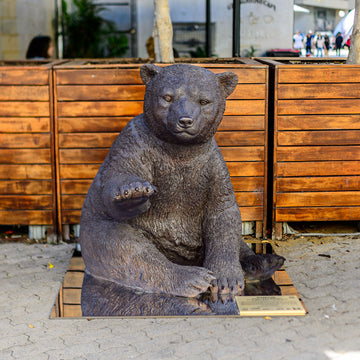
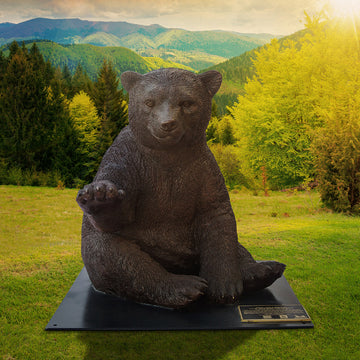
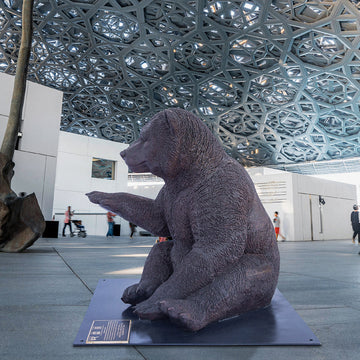

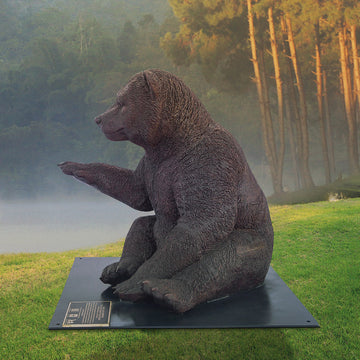


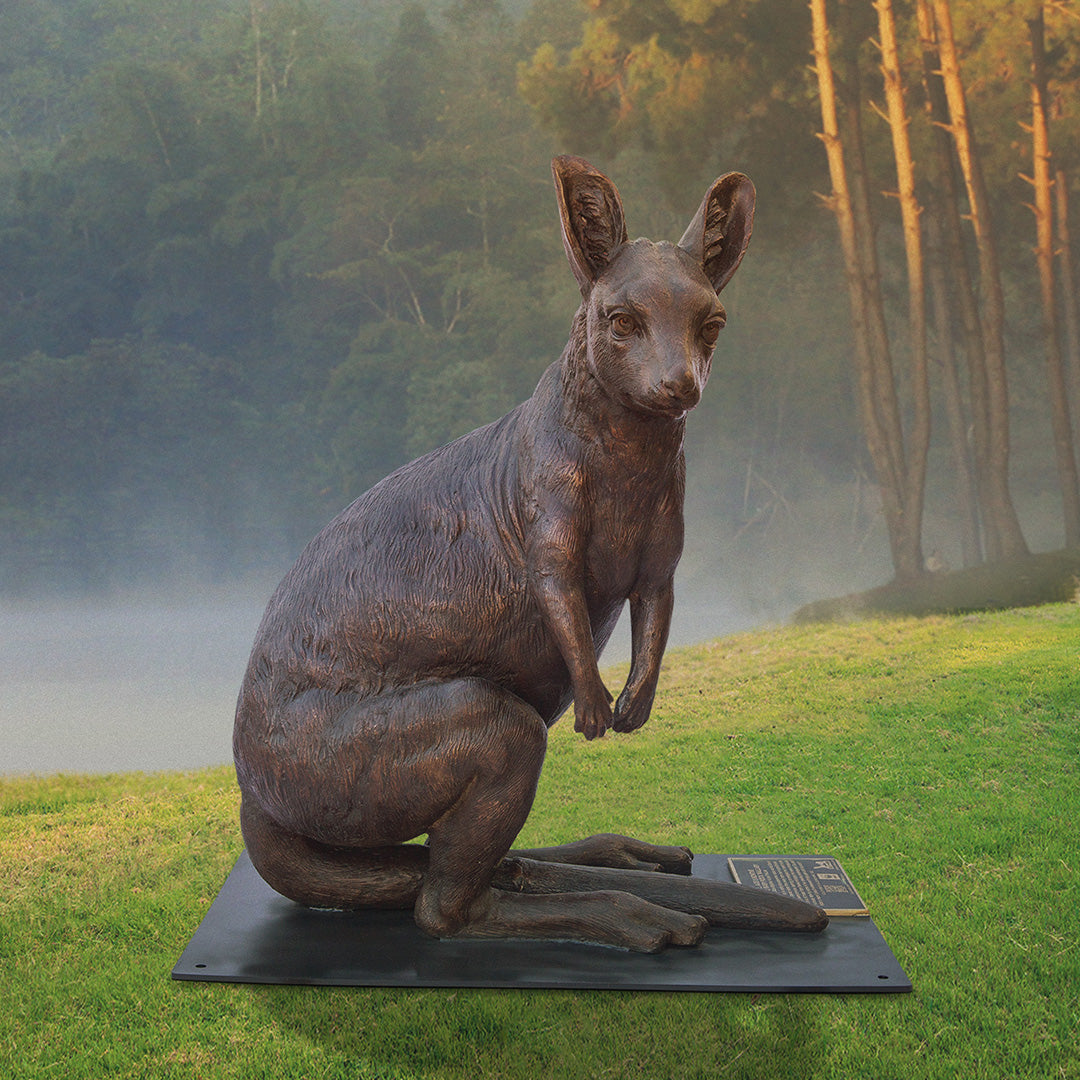
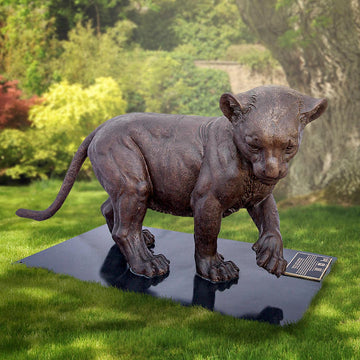
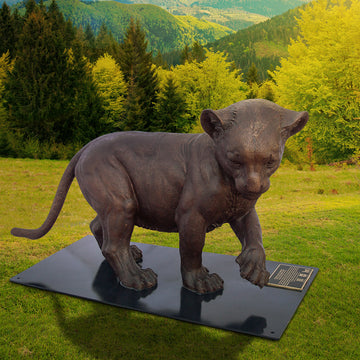
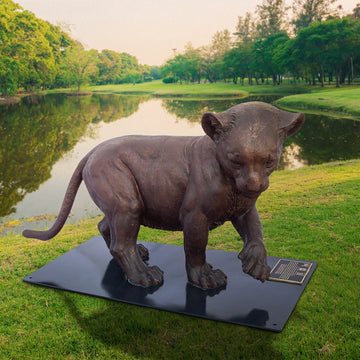


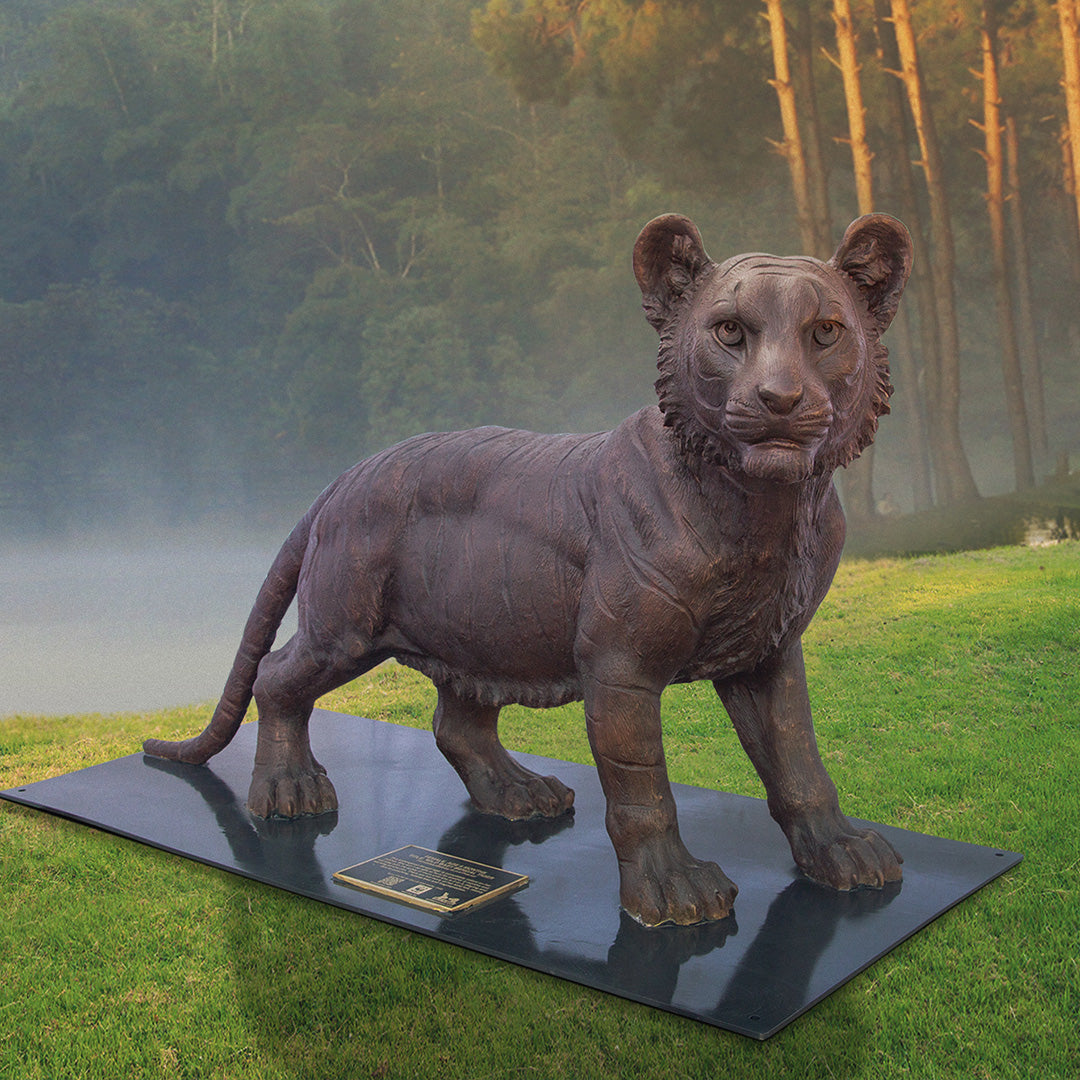
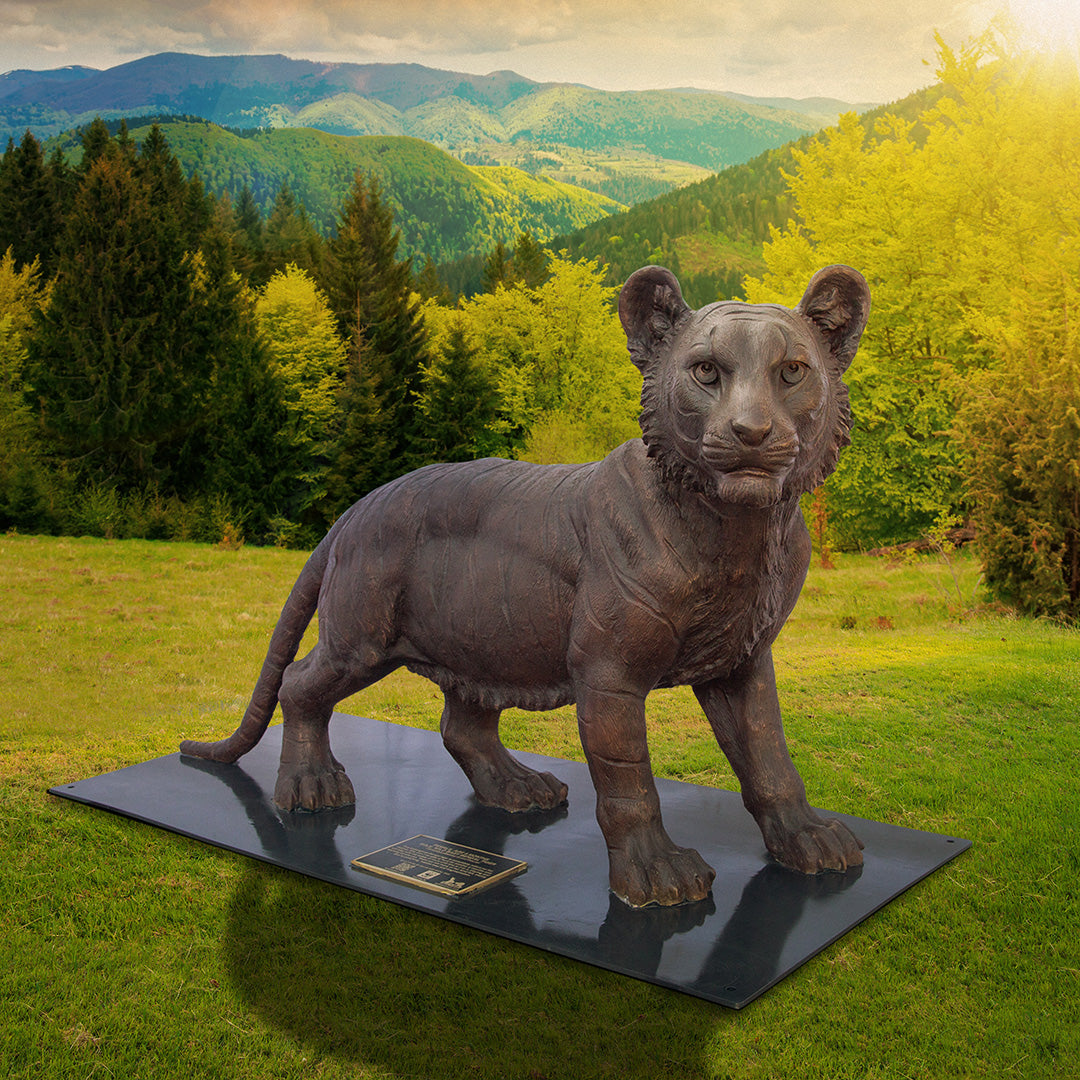
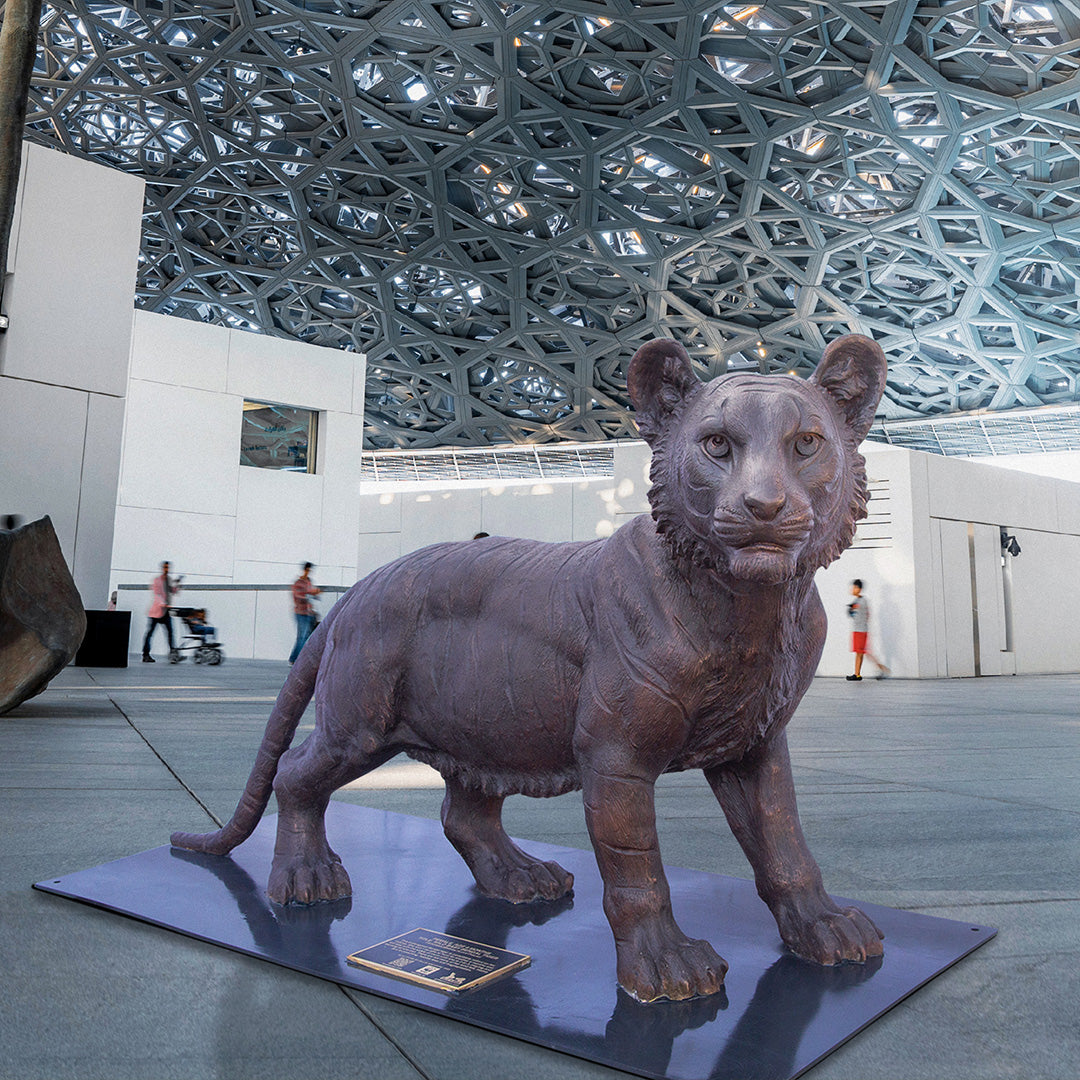
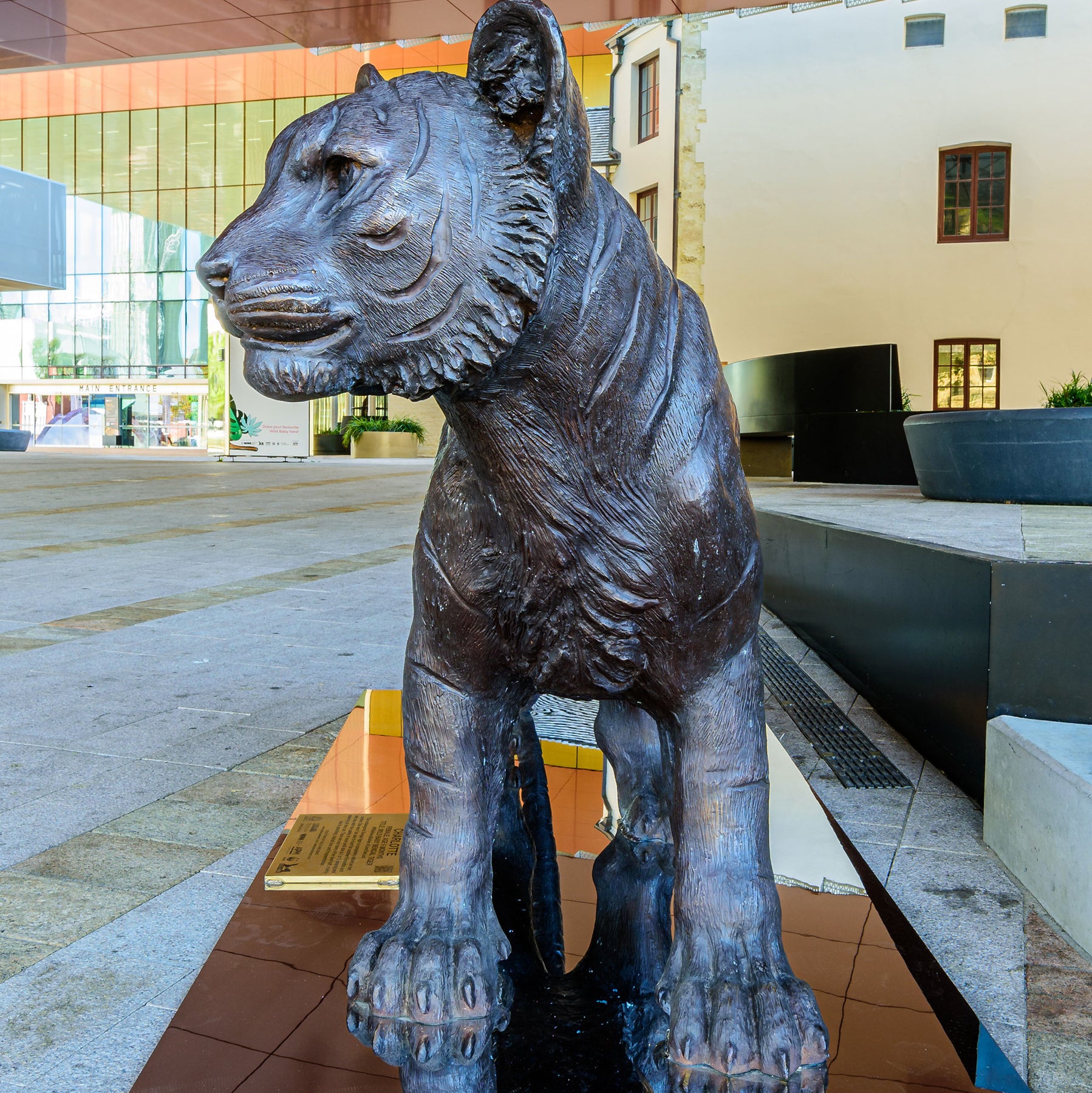
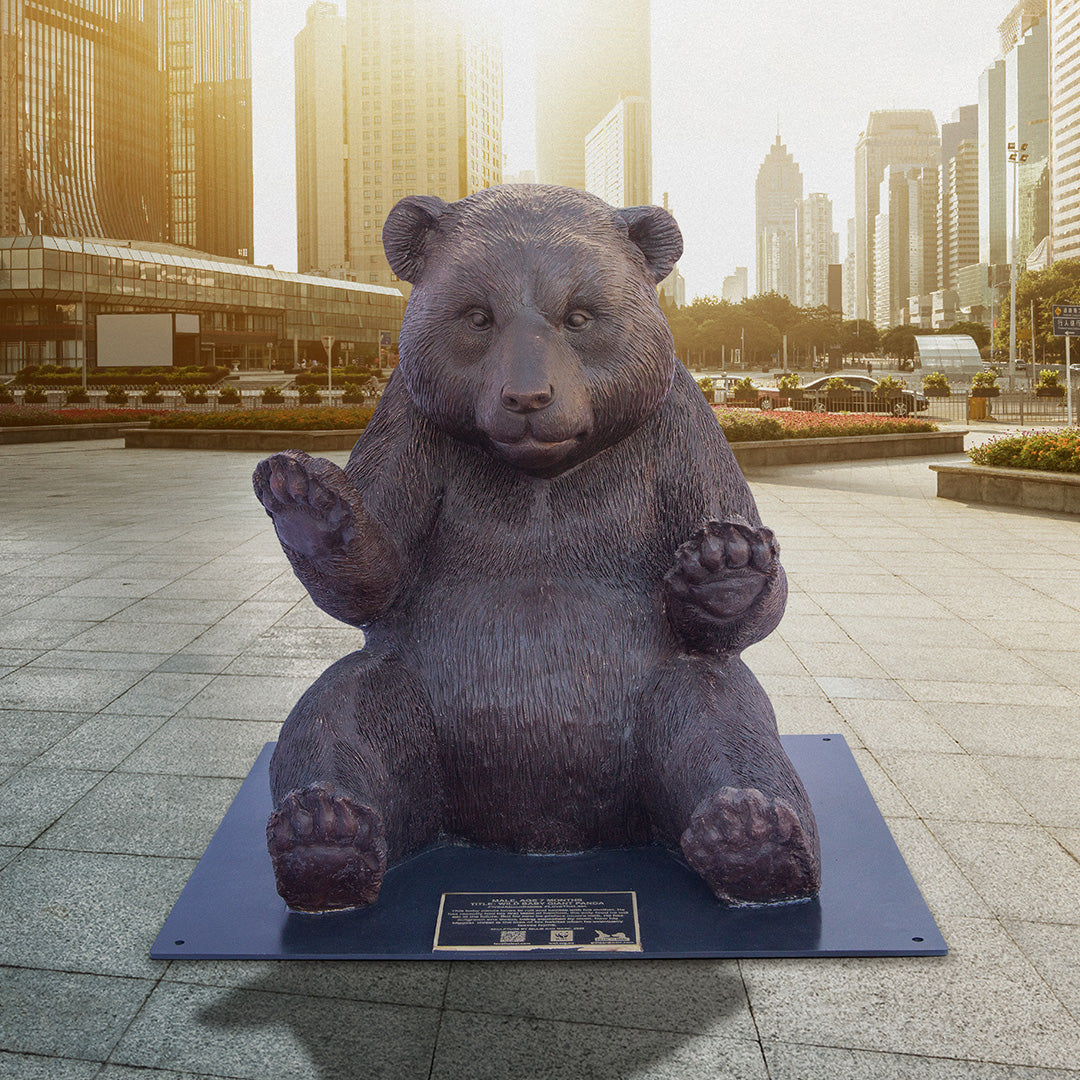
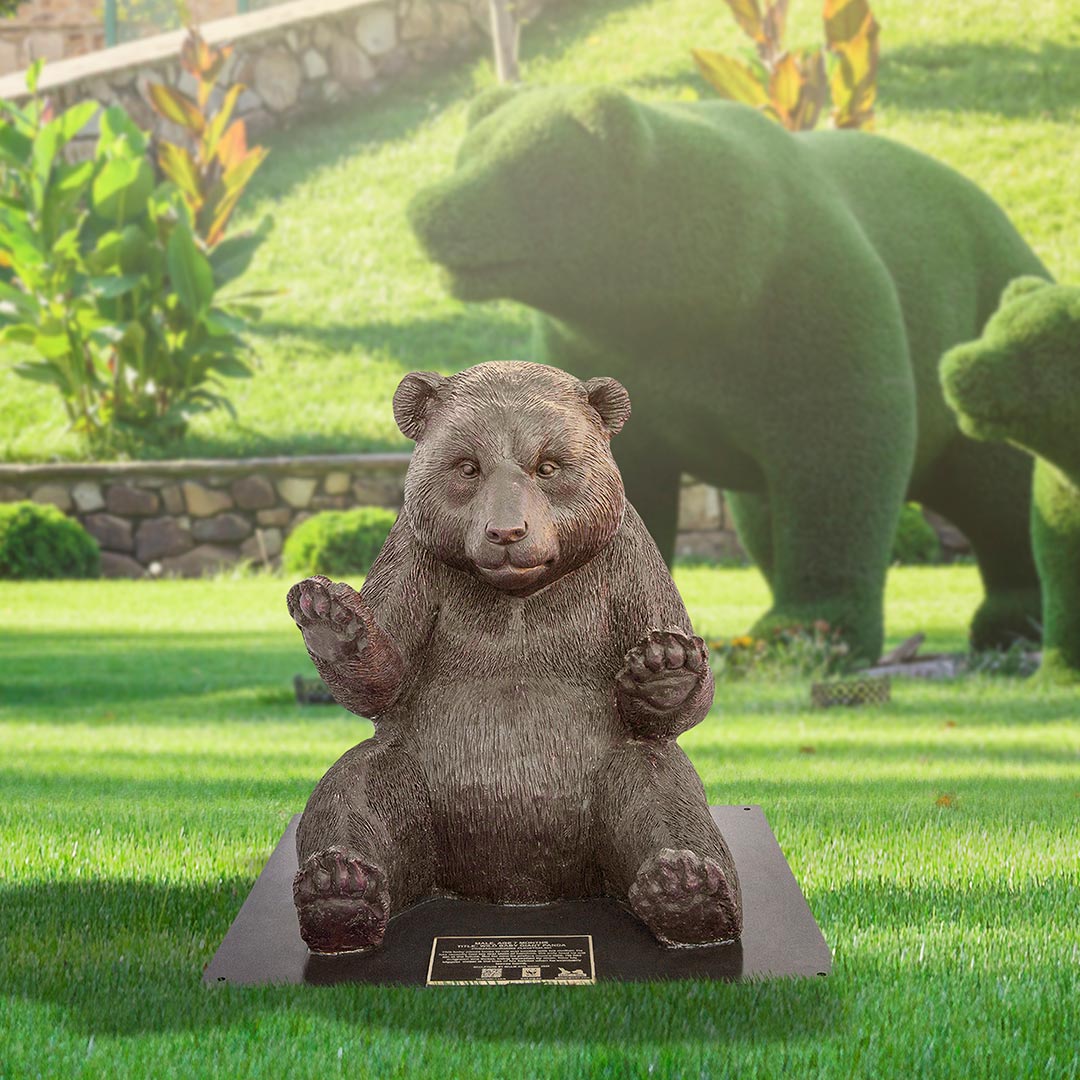
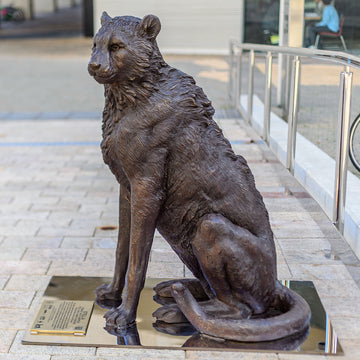
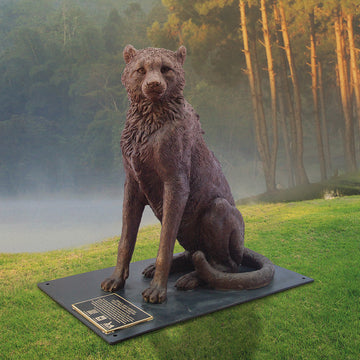

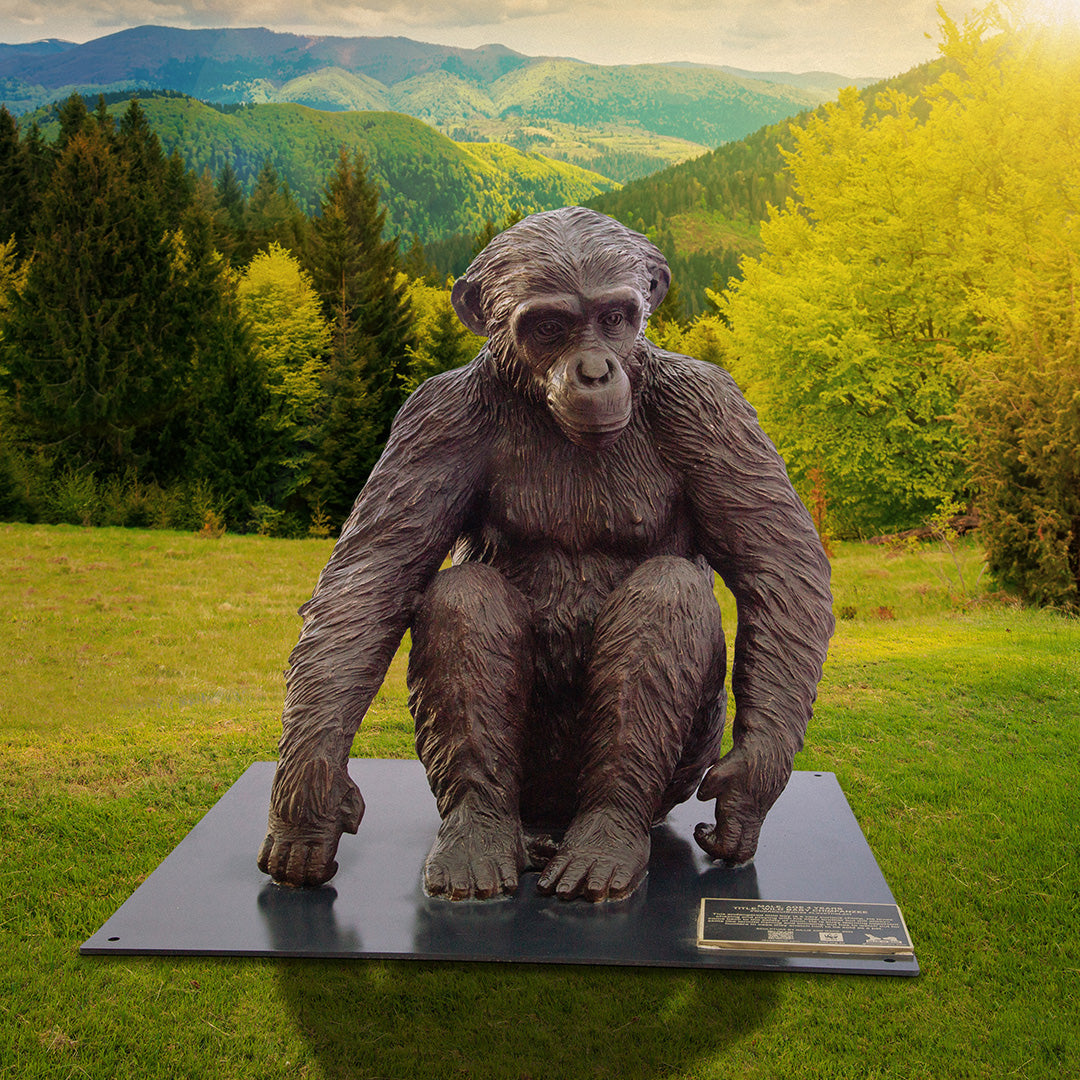
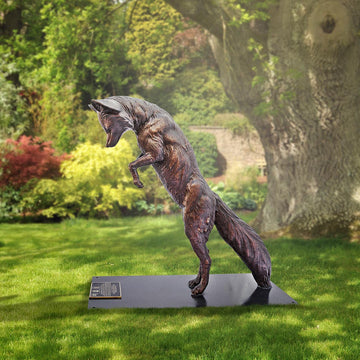
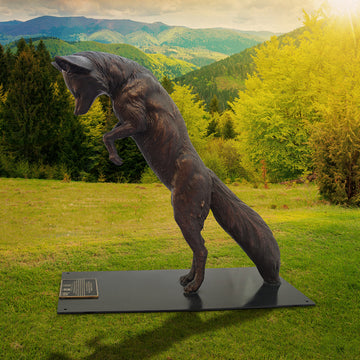
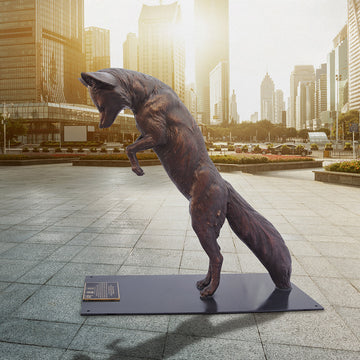










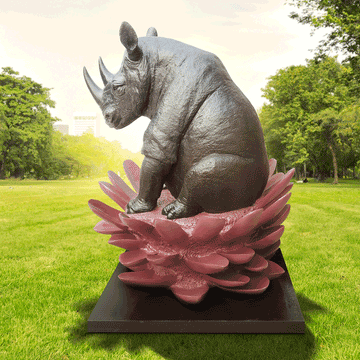
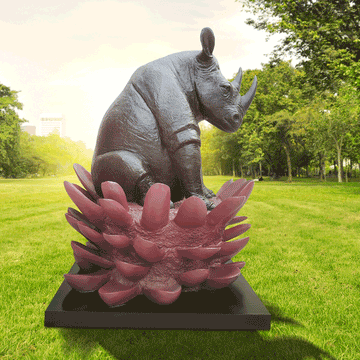
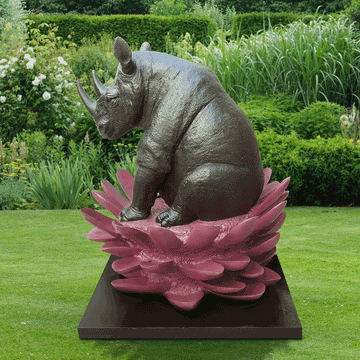
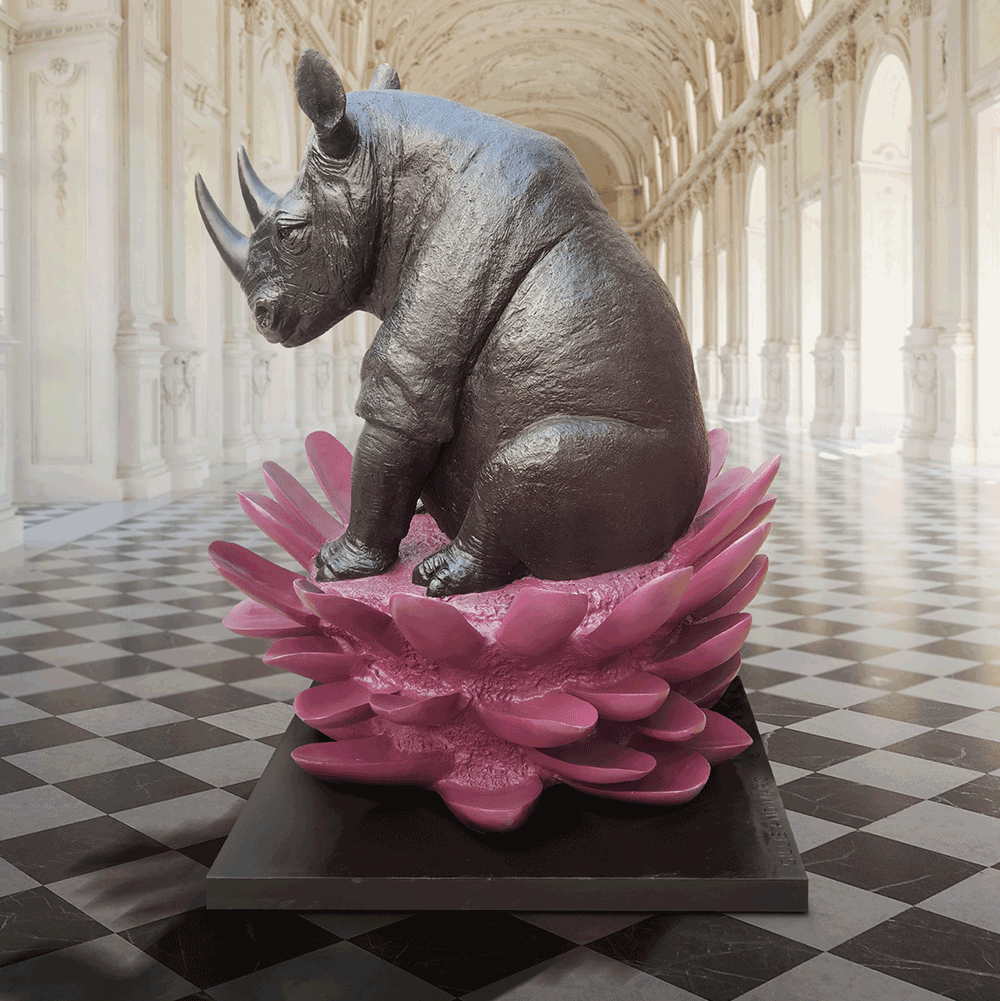
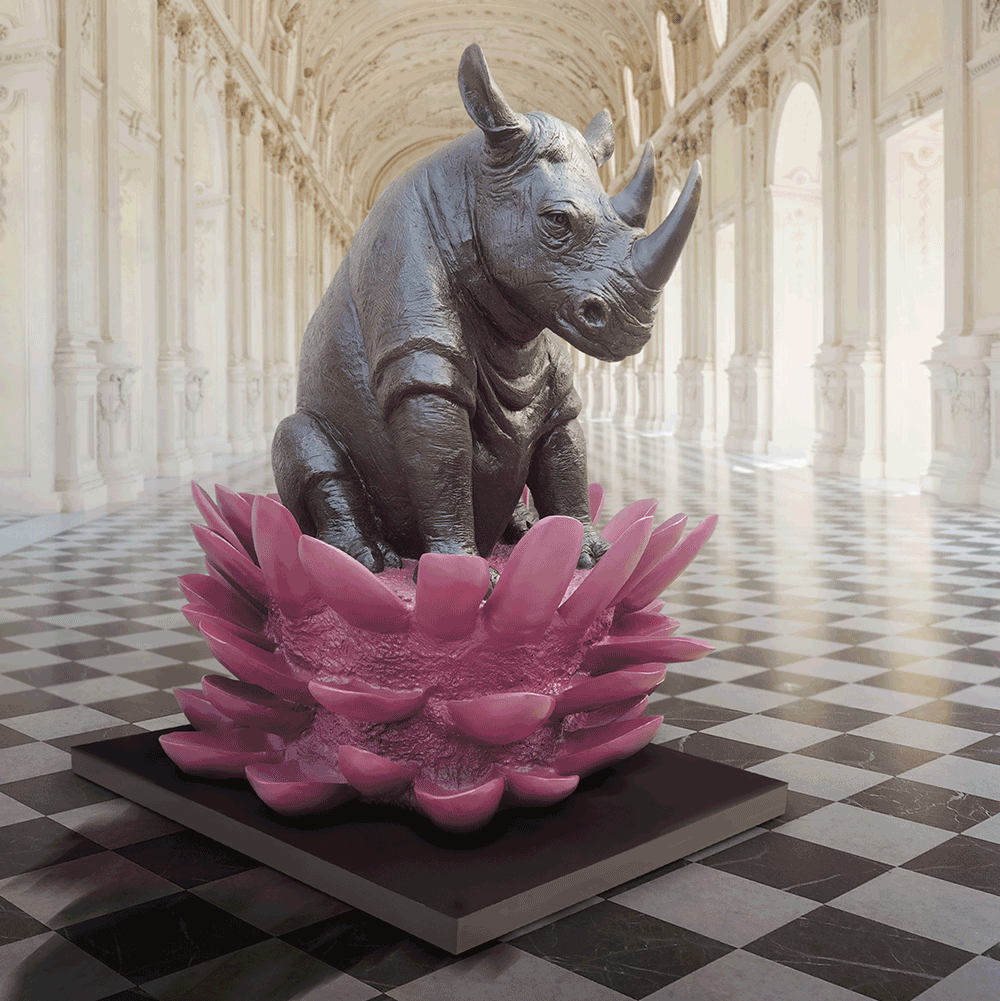
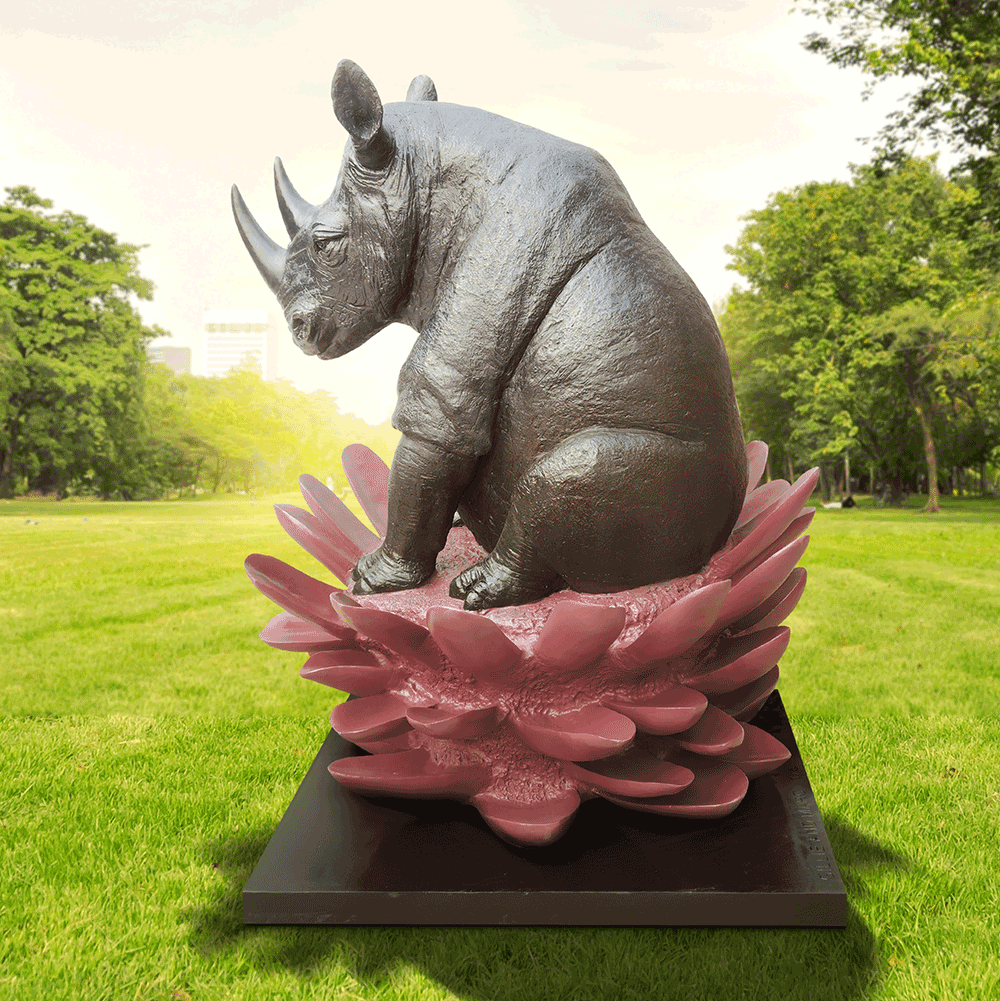
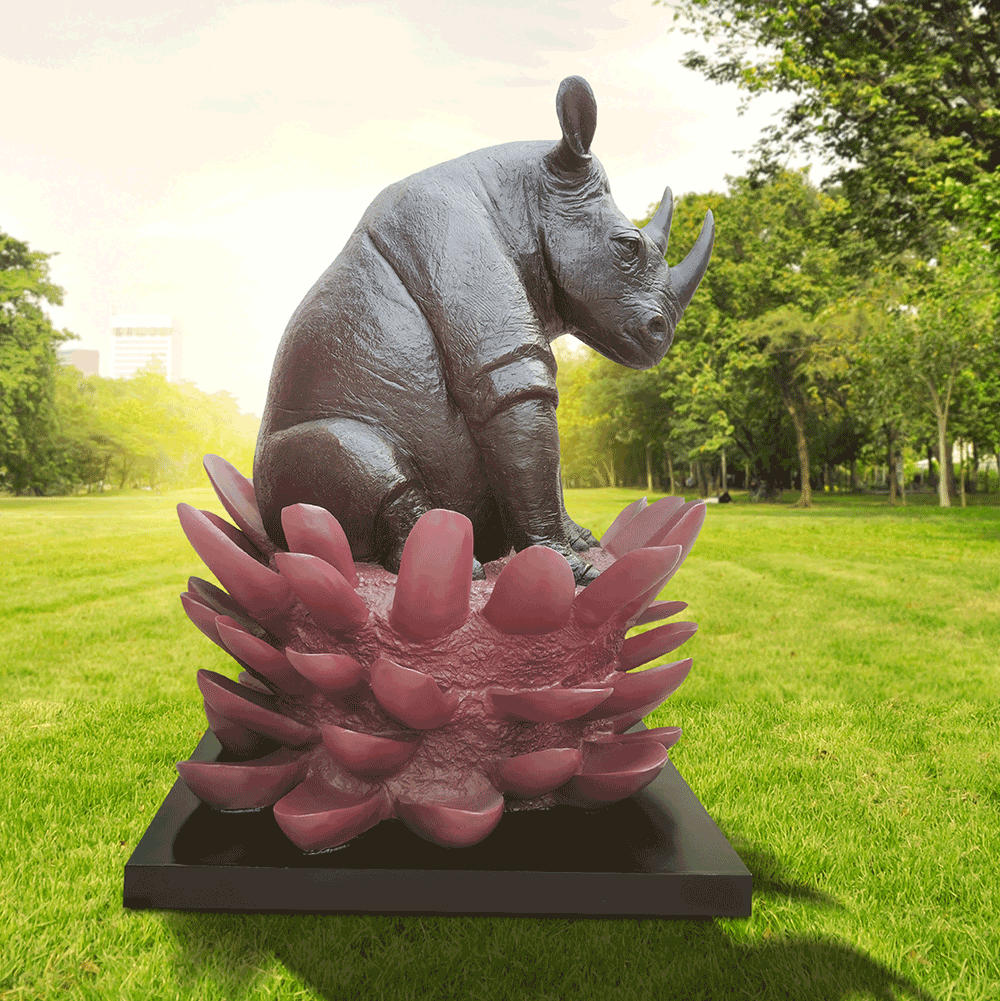
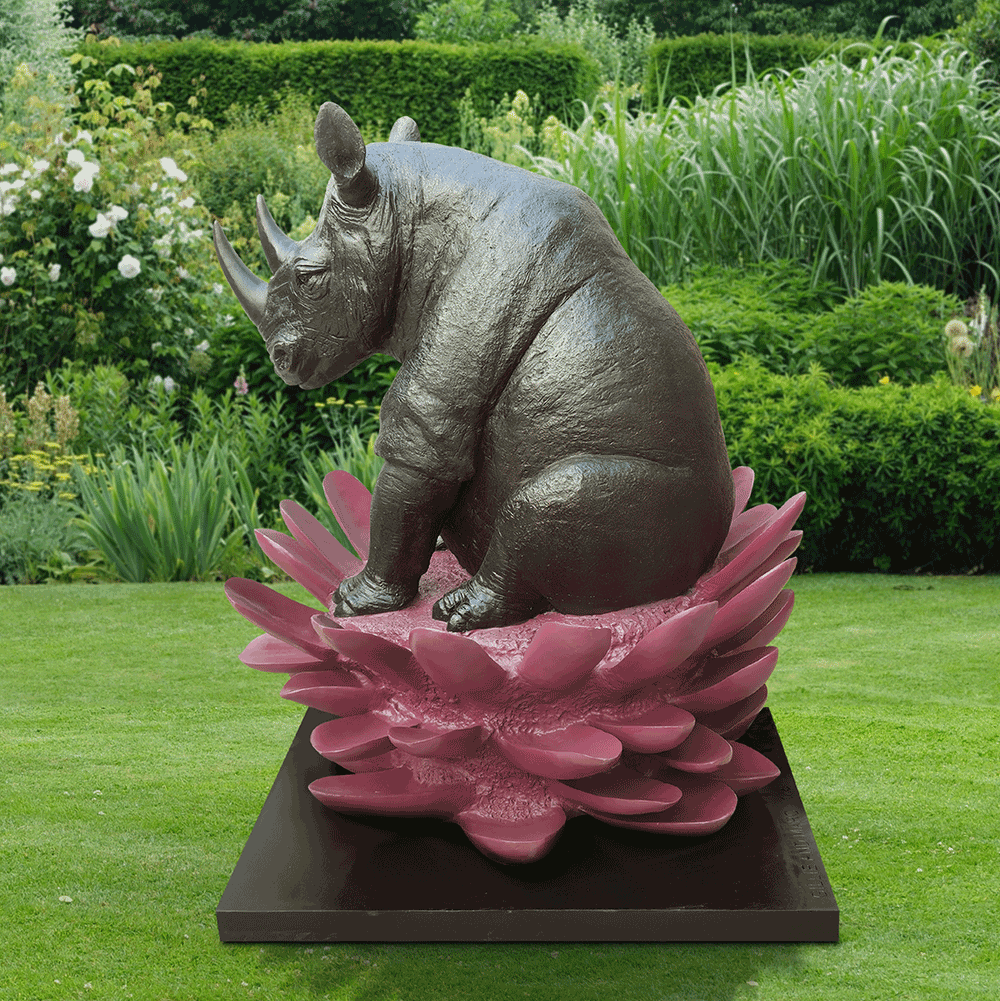
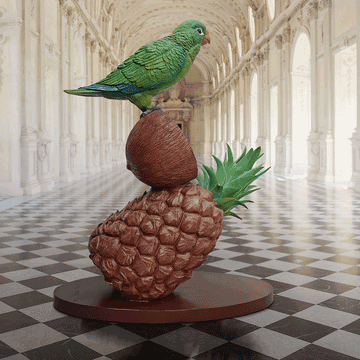
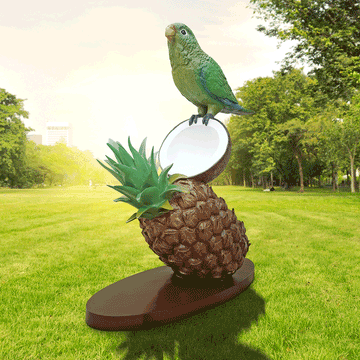
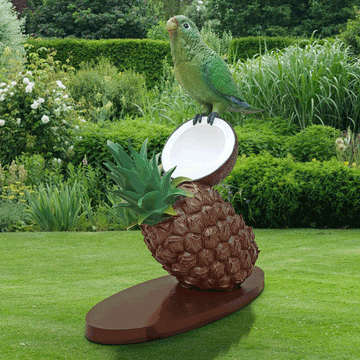
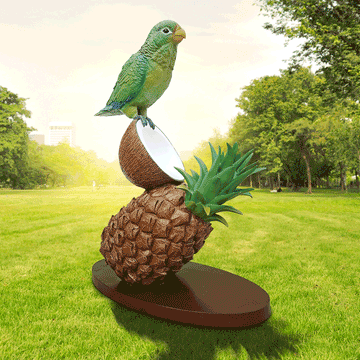























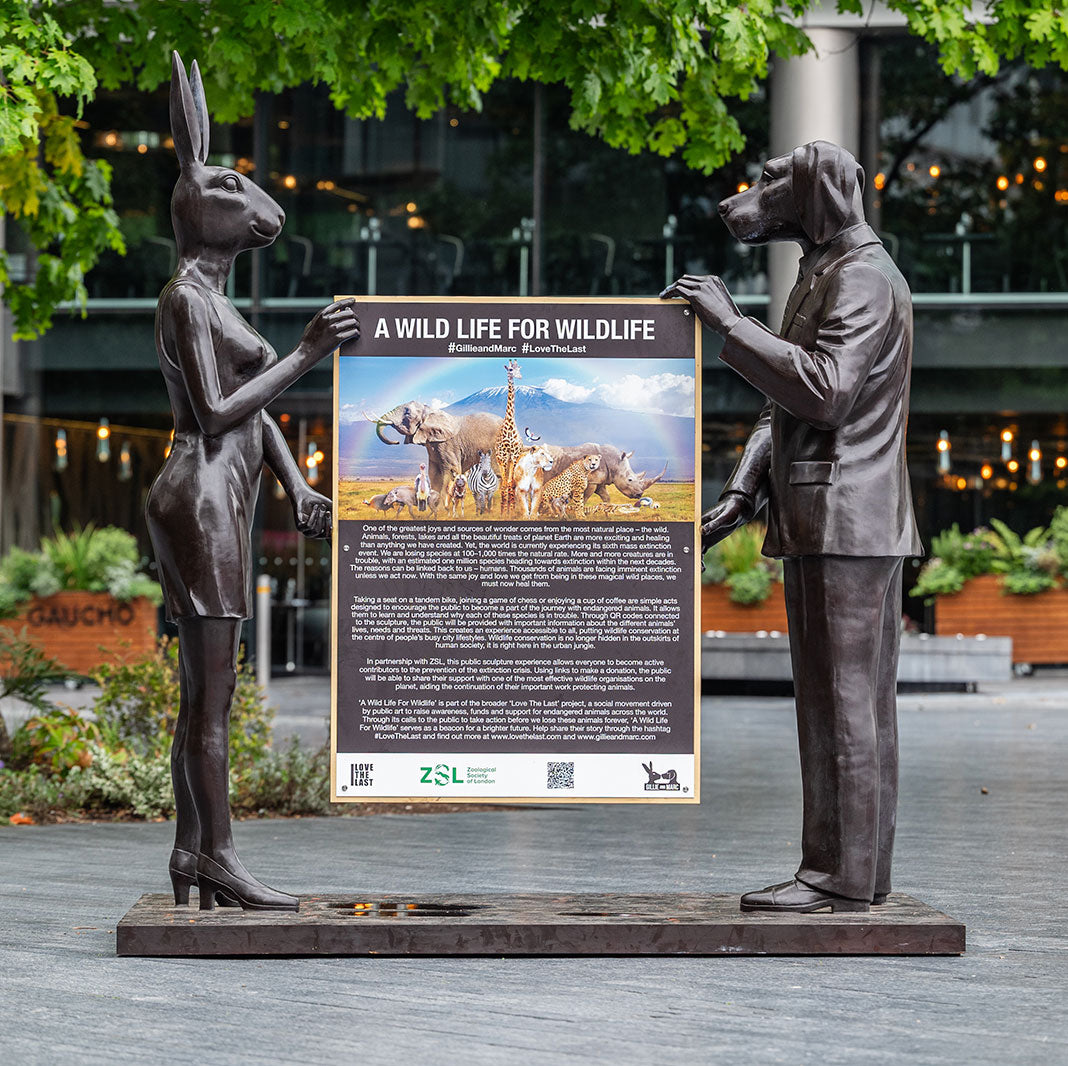
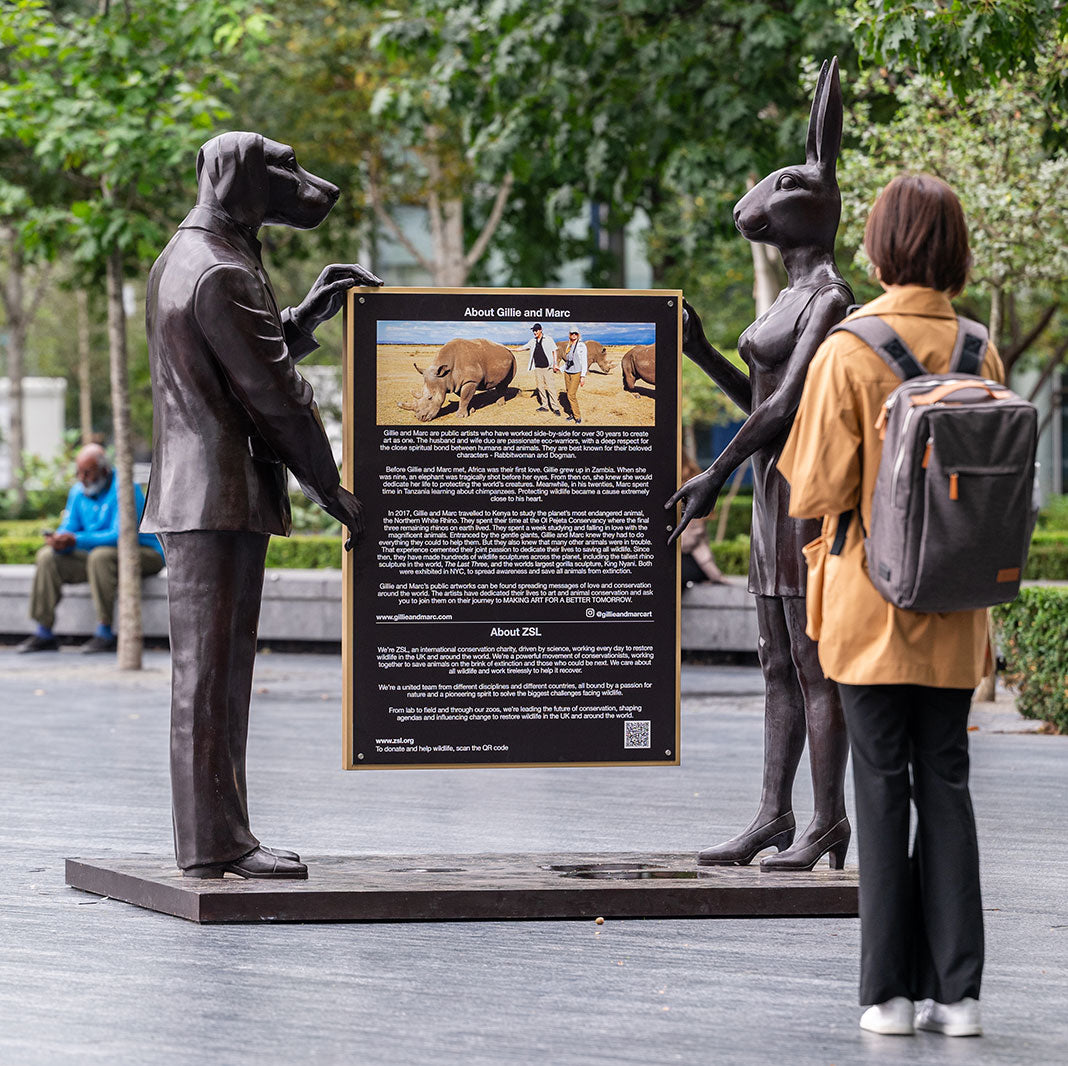
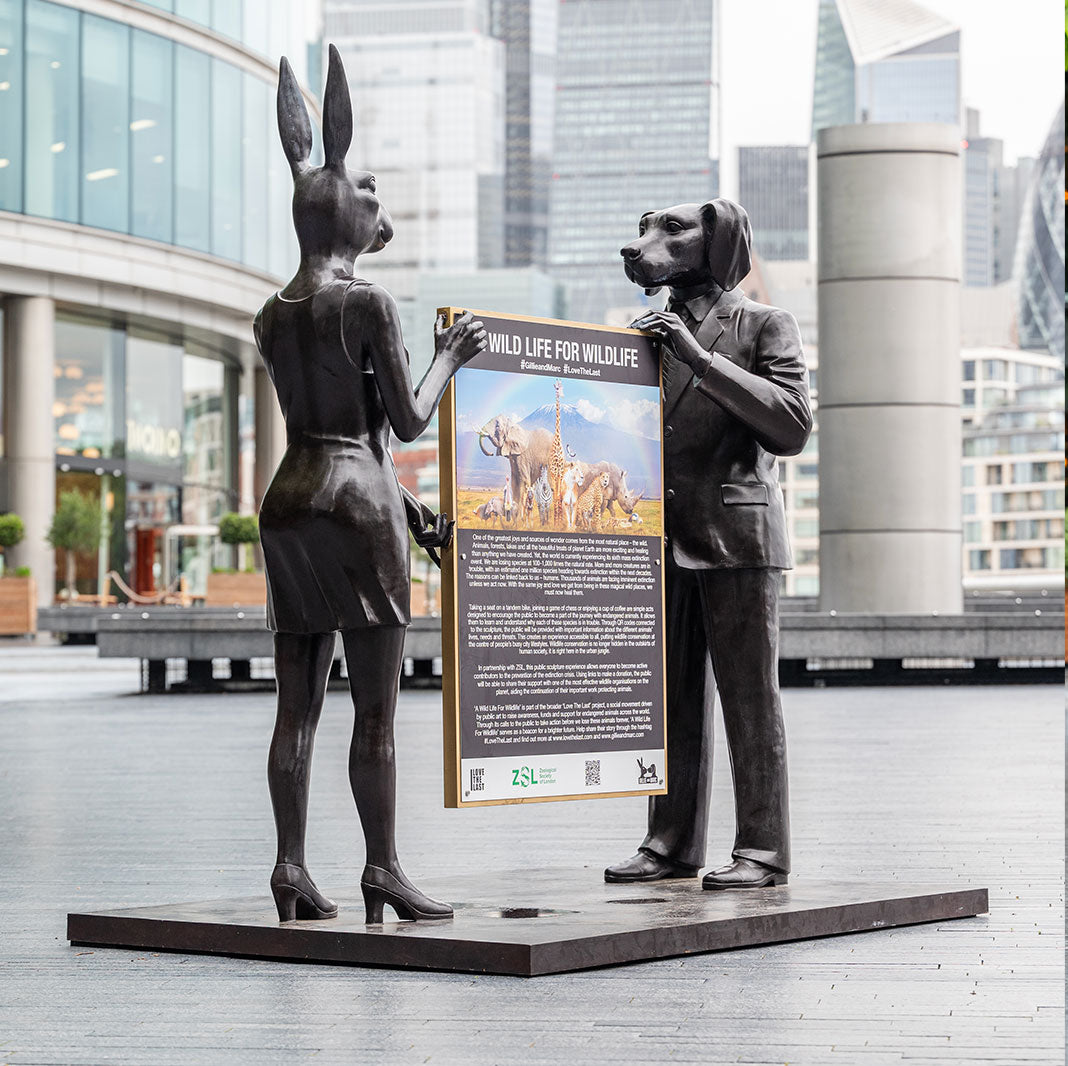
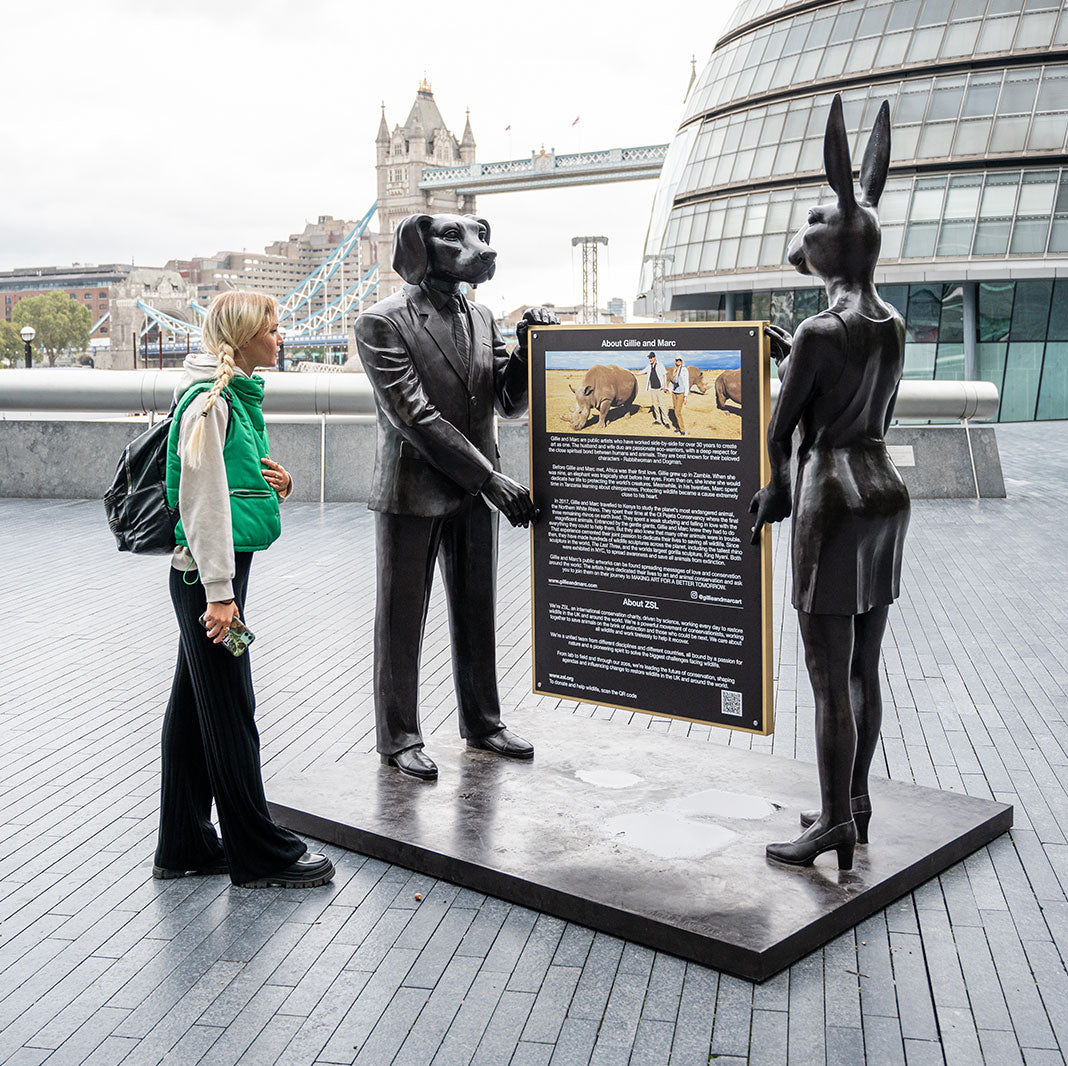






















Go behind the scenes with Gillie and Marc every week—get personal video insights on their latest masterpieces. Don’t miss this rare opportunity and sign up now!